Before describing the vinification of Carignano del Sulcis, it is useful to distinguish the two main oenological techniques: white vinification and red vinification. These two methods differ mainly in the management of the skins during fermentation and the oenological objective to be achieved.
White and red vinification
La white vinification provides that, after crushing, the liquid fraction of the crushed grapes - the must - is separated from the skins and sent for pure fermentation.
In the red vinificationInstead, must and skins ferment together: this is known as maceration, which is responsible for the extraction of colour, tannins and varietal aromas. Short maceration can also be applied to a white wine (a few hours and before fermentation) to achieve greater aromatic complexity.
It is important to emphasise that the choice of technique does not strictly depend on the colour of the grape: even red grapes can be vinified white, depending on the type of wine desired.
In red wine making, after alcoholic fermentation the wines undergo malolactic fermentation, a natural process that transforms malic acid - more aggressive and pungent - into lactic acid, softer and rounder.
This transformation, favoured by mild temperatures and the presence of lactic bacteria, helps to stabilise the wine from a microbiological point of view and to give it greater balance in taste, reducing acidity and amplifying the sensation of fullness on the palate.
In the case of Carignano, malolactic fermentation is particularly important to harmonise its polyphenolic structure and better integrate the tannins, especially in wines intended for ageing in wood.
The vinification of Carignano del Sulcis
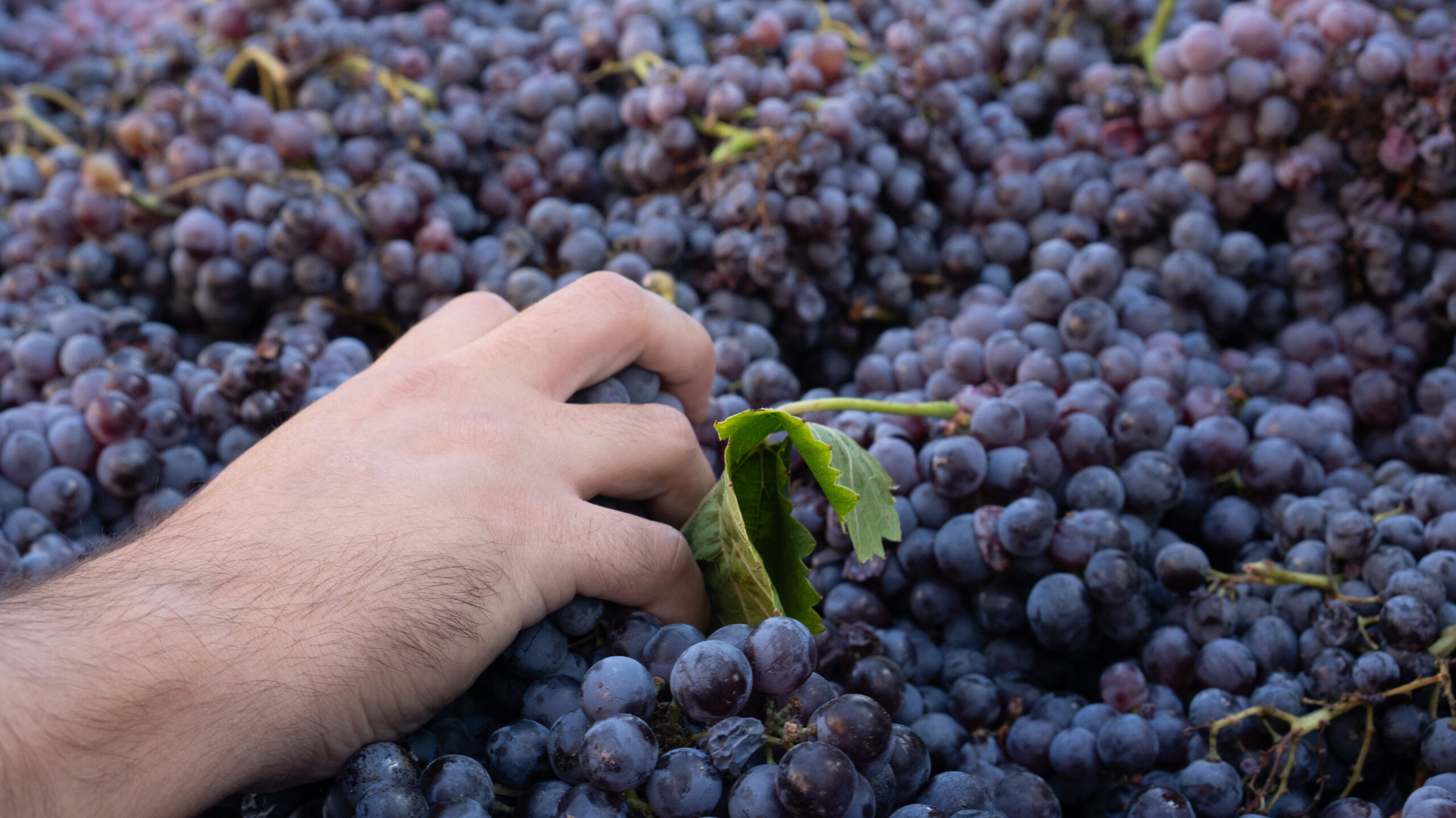
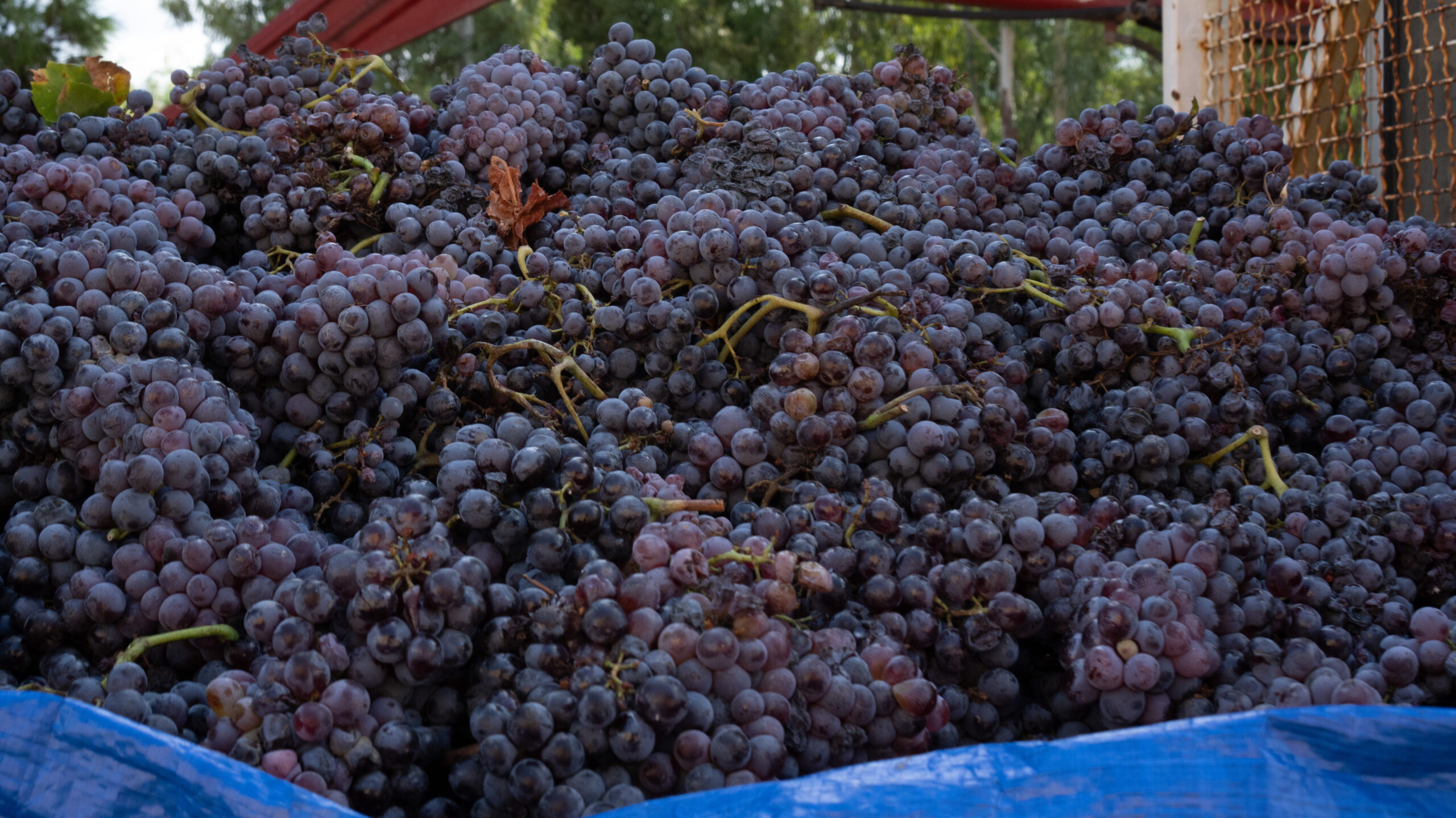
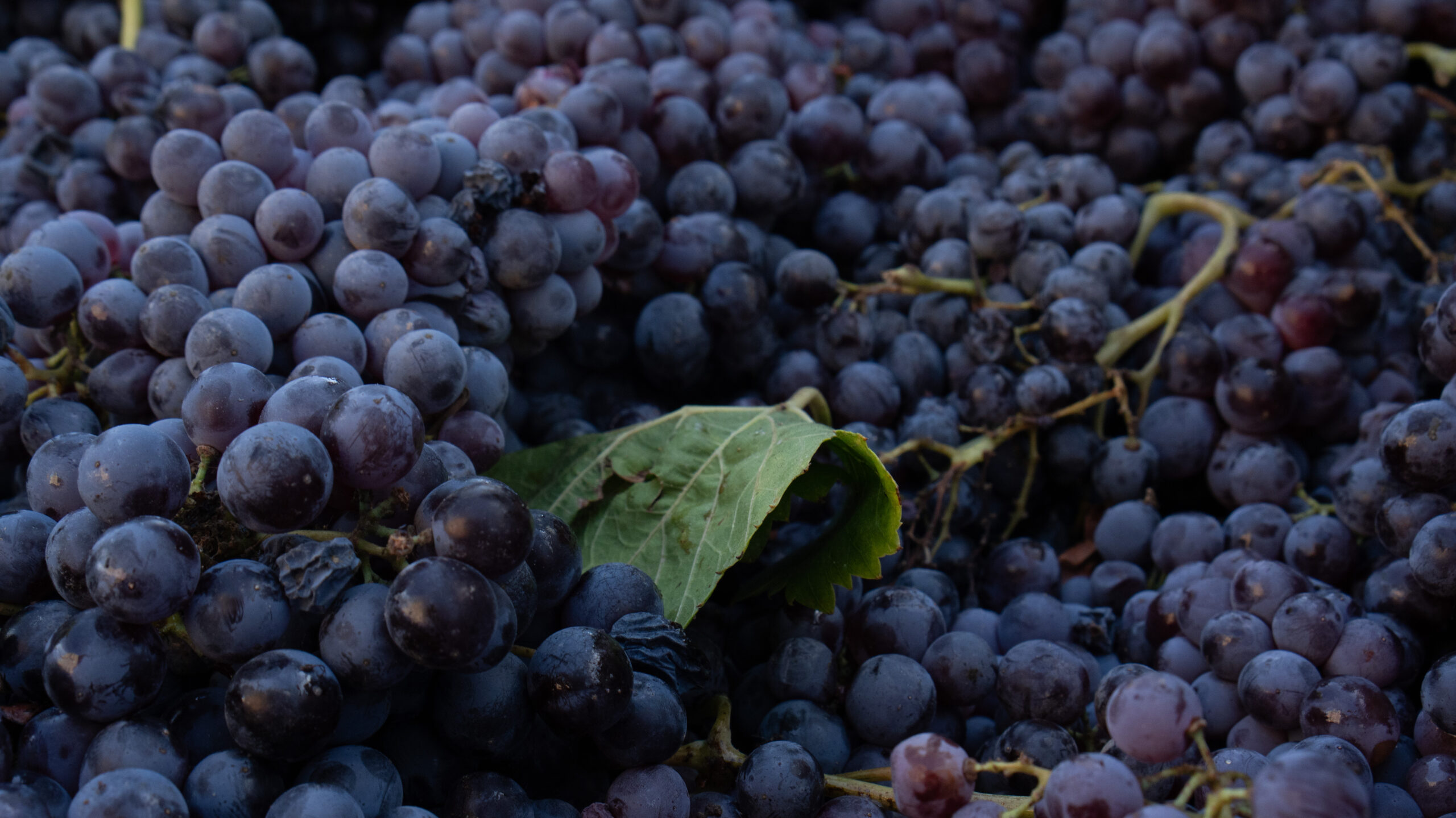
For the Carignano del Sulcisthe first productive distinction is already made in the vineyard, selecting the bunches according to their degree of ripeness and oenological destination.
Slower-ripening vineyards are harvested early for the production of rosé wines, with the aim of maintaining a good acidity content - responsible for freshness - and avoiding excessive colour extraction, typical of Carignano. The must, separated from the skins, is then clarified and sent to fermentation. This same method is also used for other particular productions, such as Carignano vinified in white or the classic method rosé sparkling wine of the Sardus Pater Winery.
Red vinification
In the case of red vinification, the Sardus Pater Winery makes a rigorous selection of grapes, distinguishing between:
- Sulcis espalier-trained plants on rootstock;
- bush-trained plants on the island of Sant'Antioco.
- A further selection is also made according to the age of the vineyards.
Since Carignano is a grape naturally rich in polyphenols, it tends to need long periods of ageing to reach full harmony. For this reason, Cantina Sardus Pater adopts a targeted production philosophy:
- Grapes from younger espalier plantings are used for vintage wines with a fresh and immediate profile, thanks to lower polyphenol and sugar concentrations;
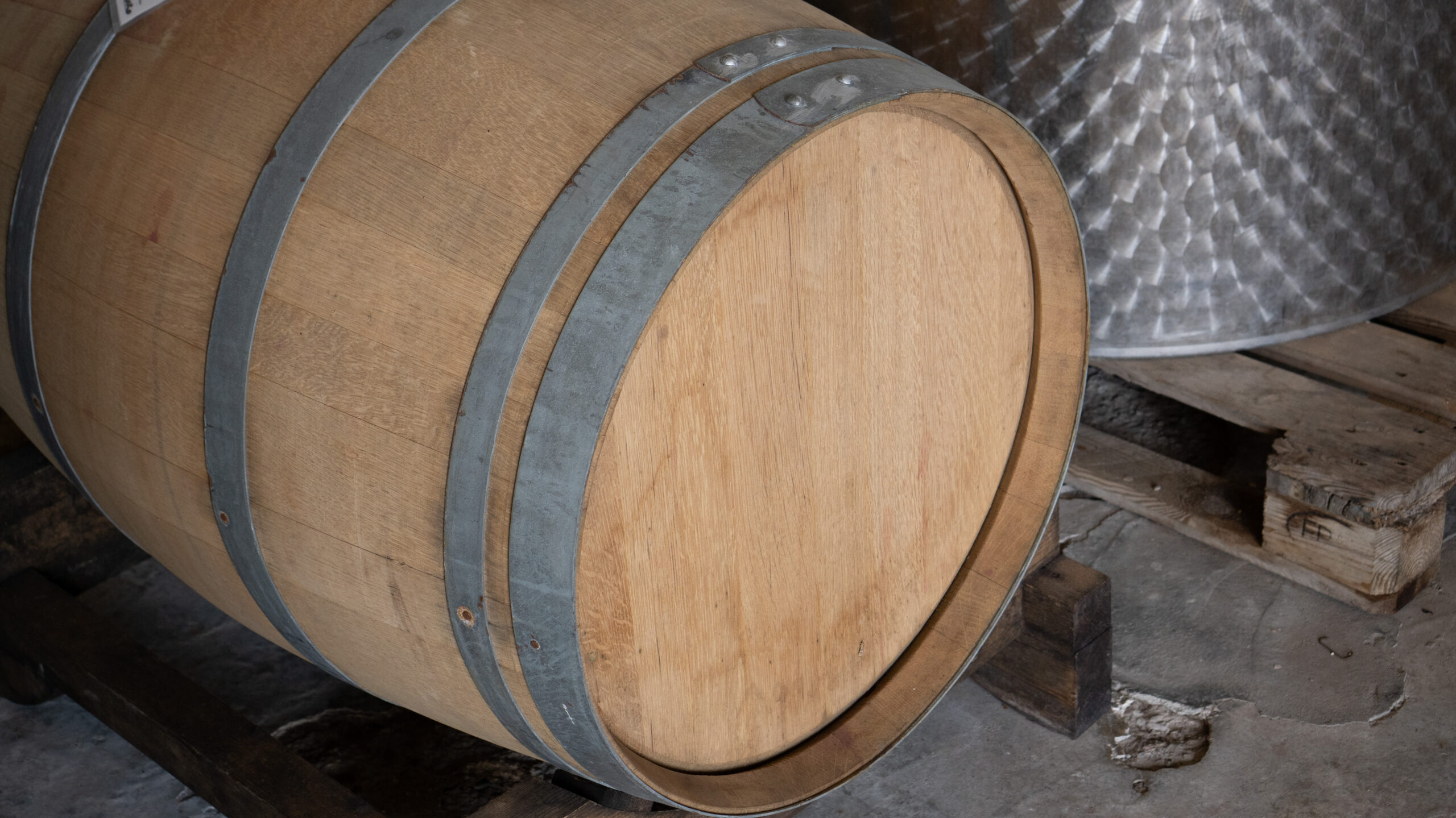
- the oldest espalier vines are dedicated to Carignano Riserva, which is aged for one year in French oak barrels, enhancing the complexity and finesse of the vine.
On the free-range vines of Sant'Antioco, where the grapes reach higher phenolic concentrations due to the sandy soil and the age of the vines, the winery produces a dedicated line:
- from the younger vineyards you get a young wineaged one year in steel;
- from the oldest vineyards a Reserveaged one year in barrique and a further year in bottle;
- from historic plots, with vines over 80 years old, comes the Carignano Superioreaged for 18 months in 500-litre tonneaux and a further 18 months in the bottle. For these plantings, the specification does not even provide for the use of poles and wires, preserving the traditional sapling system.
The Carignano Passito
For the production of the Carignano del Sulcis Passitospecification requires that the grapes reach at least 26th Baboto ensure the correct balance between alcohol content and residual sugar. L'withering can be conducted on trellises oras does the Sardus Pater Winery, directly on plantby choking the peduncle with a special clamp: this causes the plant to draw water from the berries, naturally concentrating sugars and aromatic substances.
Fermentation is then stopped at 14% vol., the wine is mulled and subsequently aged for six months in French oak tonneaux.
Carignano del Sulcis: Every Age, an Explosion of Shades
The Carignano del Sulcis represents one of the most authentic and complex expressions of Sardinian viticulture. The different winemaking techniques, calibrated according to the age of the vineyards, the type of training system and the oenological objectives, make it possible to enhance every nuance of this extraordinary grape varietyfrom the freshness of young wines, to the depth of the reserves, to the elegance and concentration of the passito.
The experience and sensitivity of the Sardus Pater Winery show how tradition and innovation can coexist, yielding wines that authentically tell the story and soul of Sulcis.
Giovanni Salidu