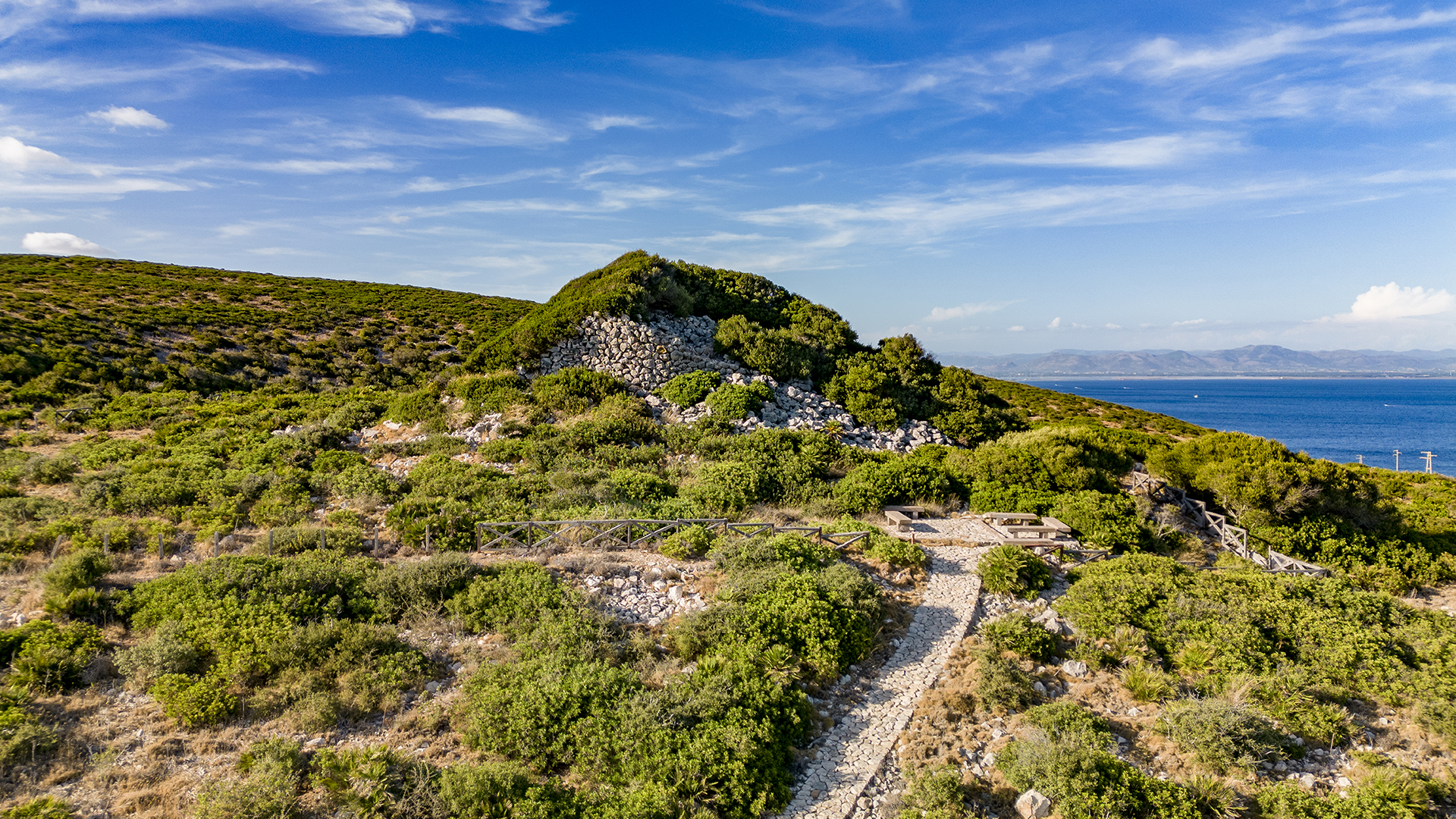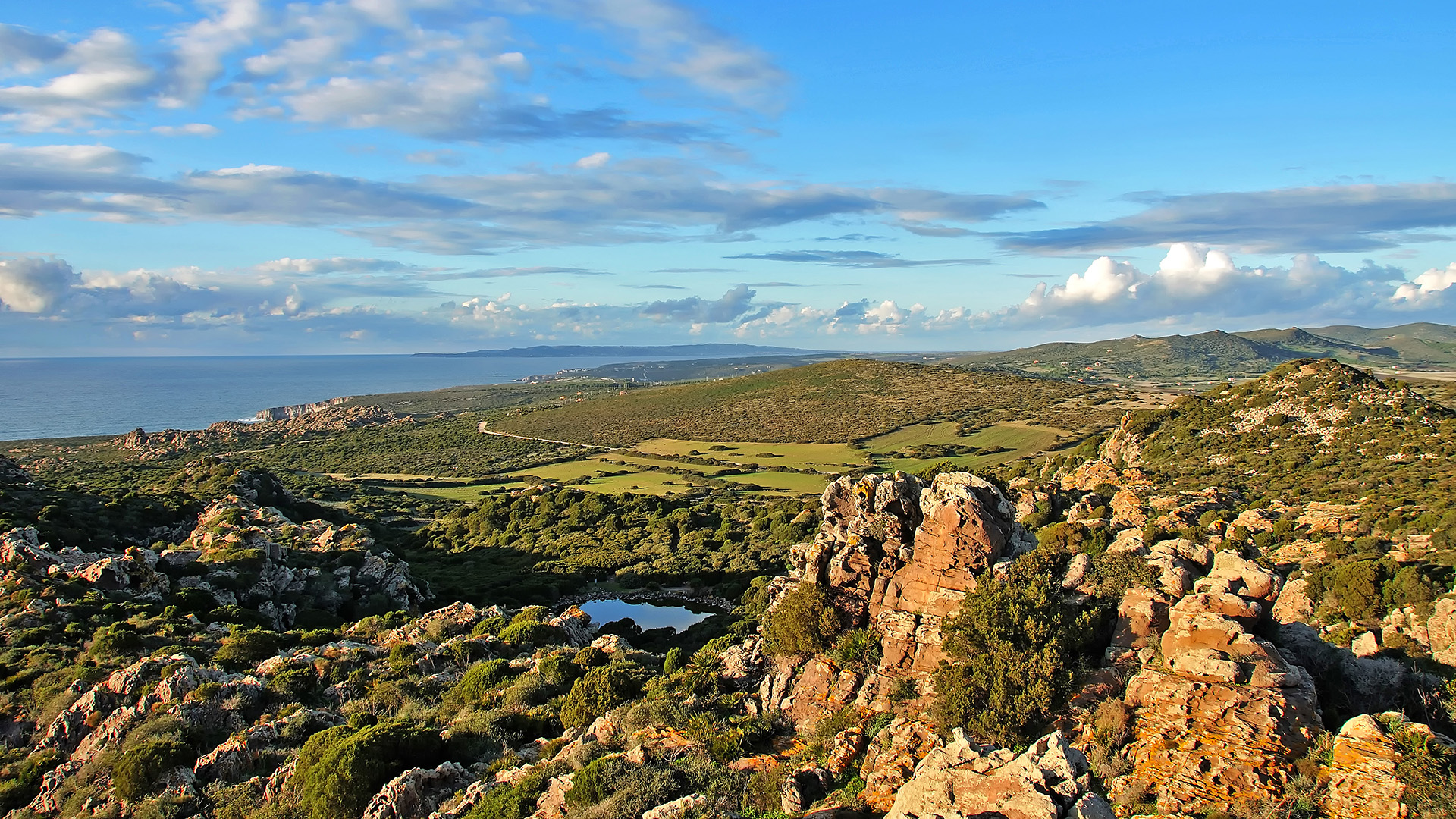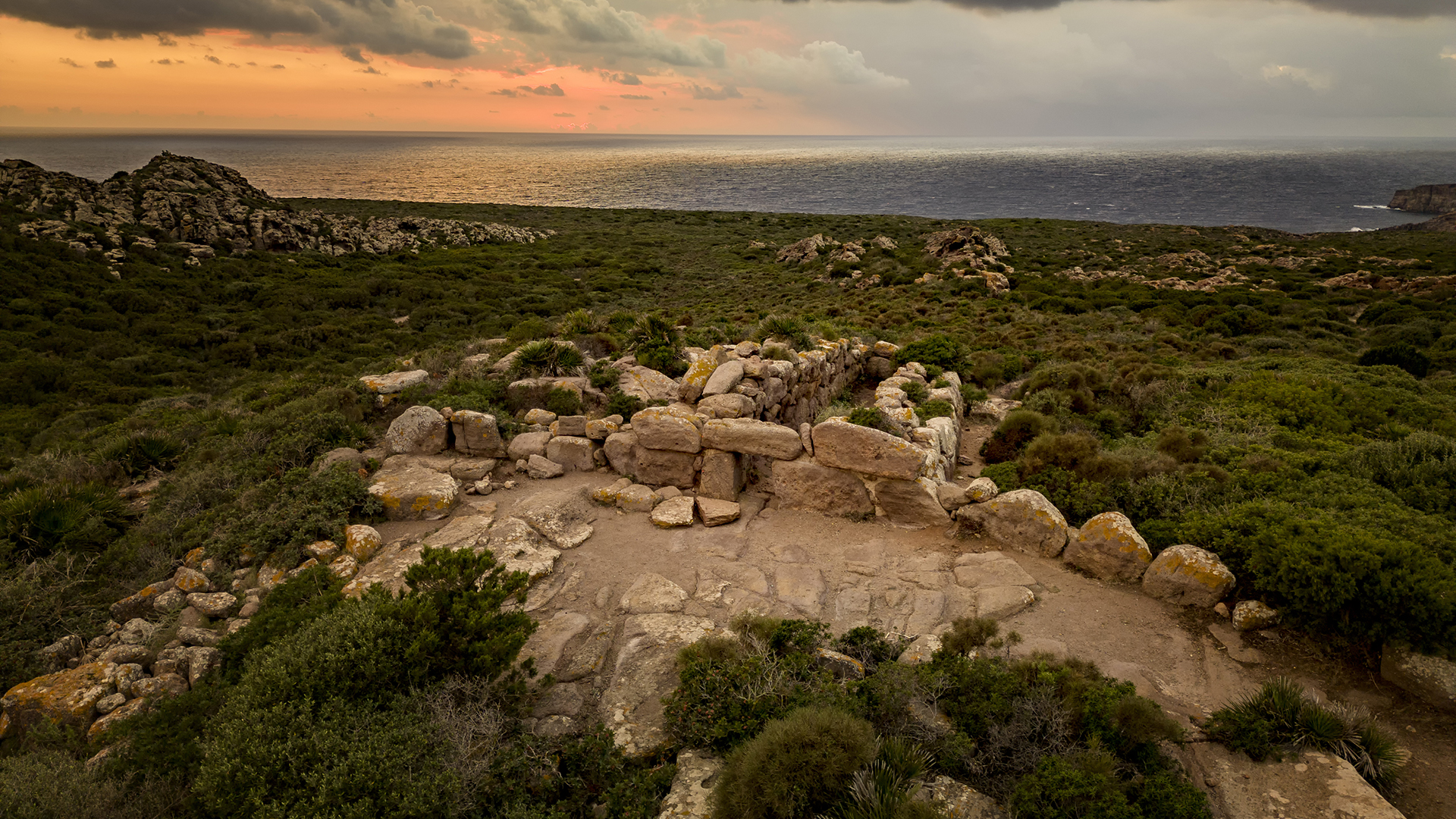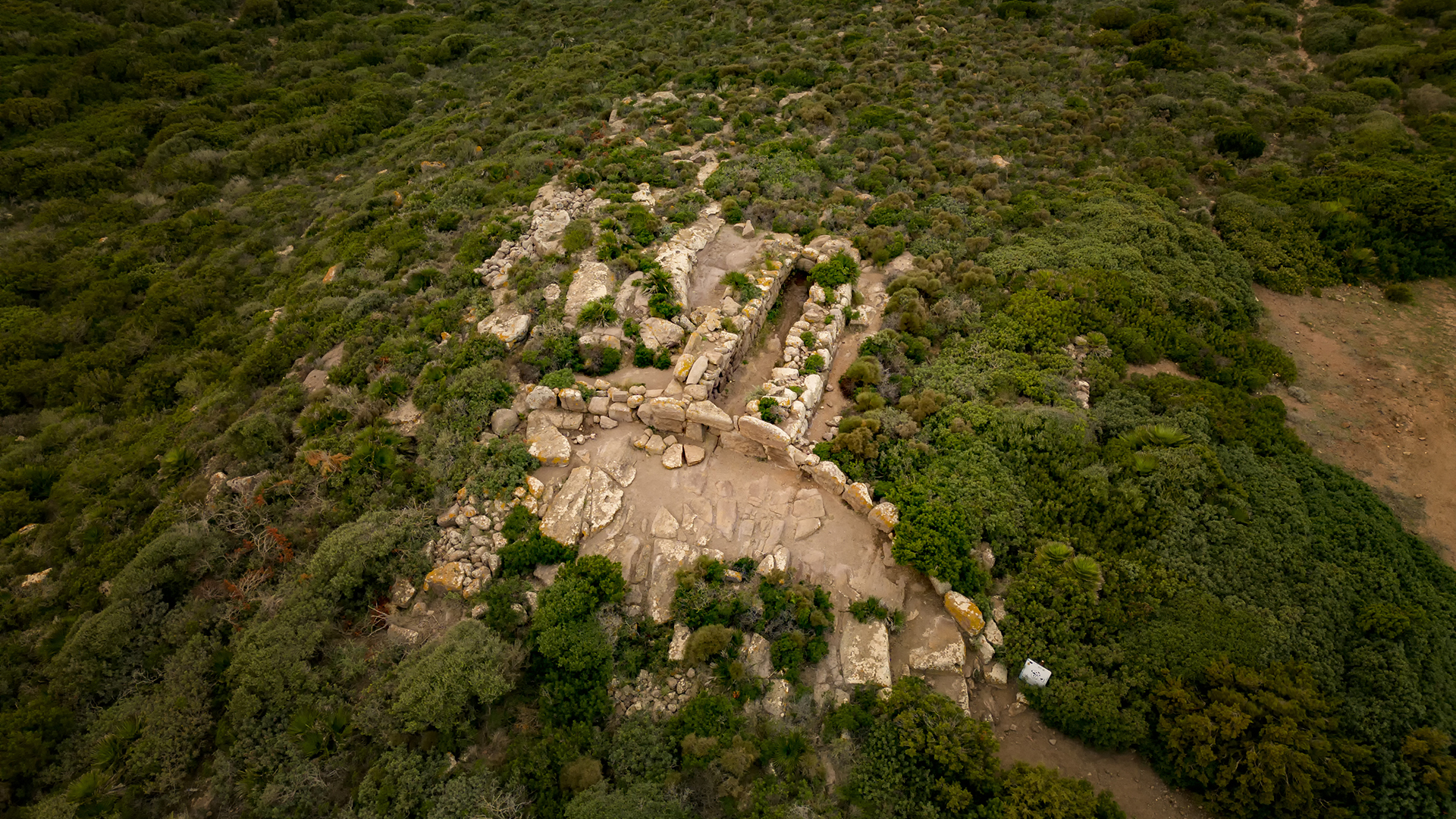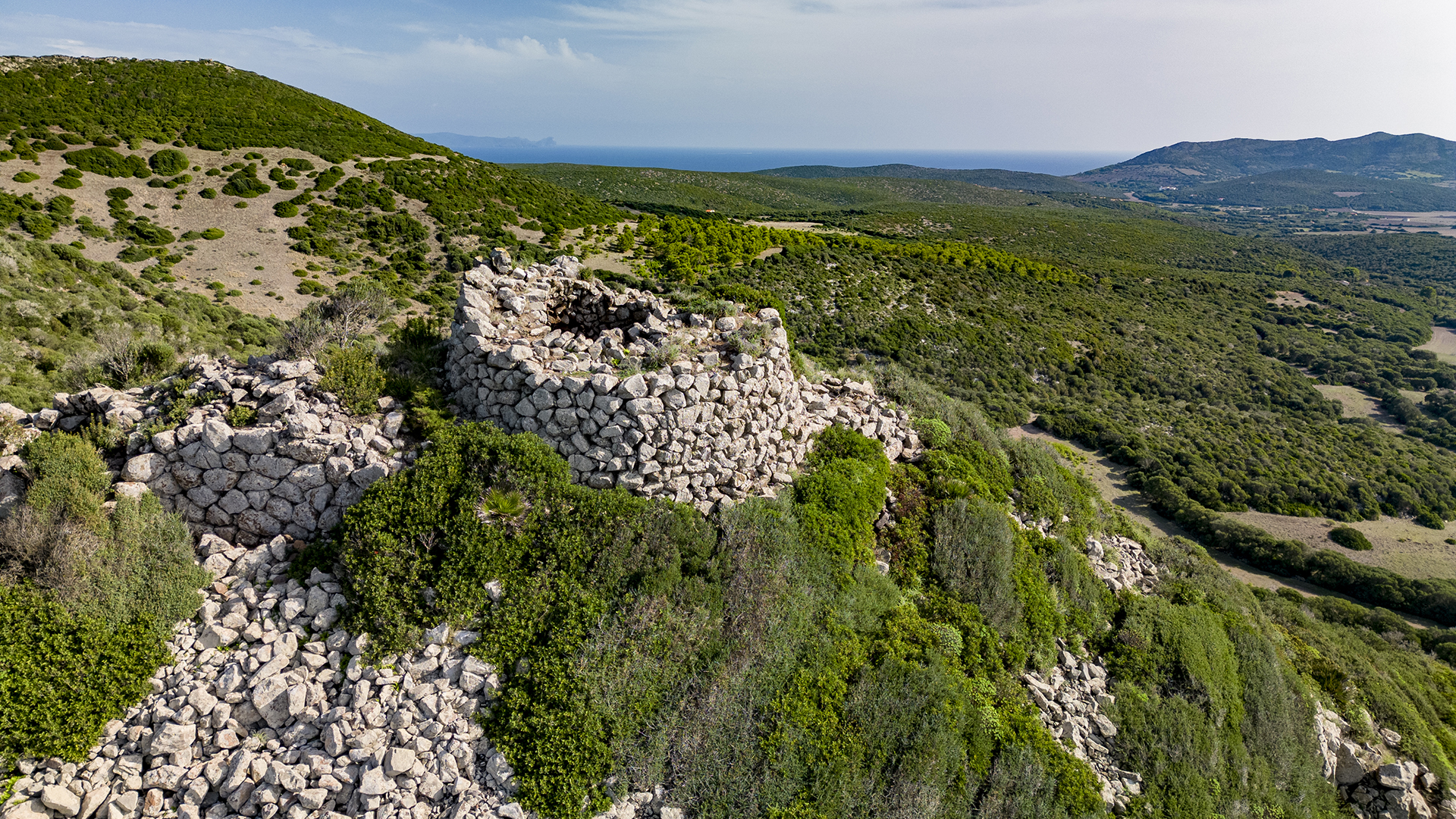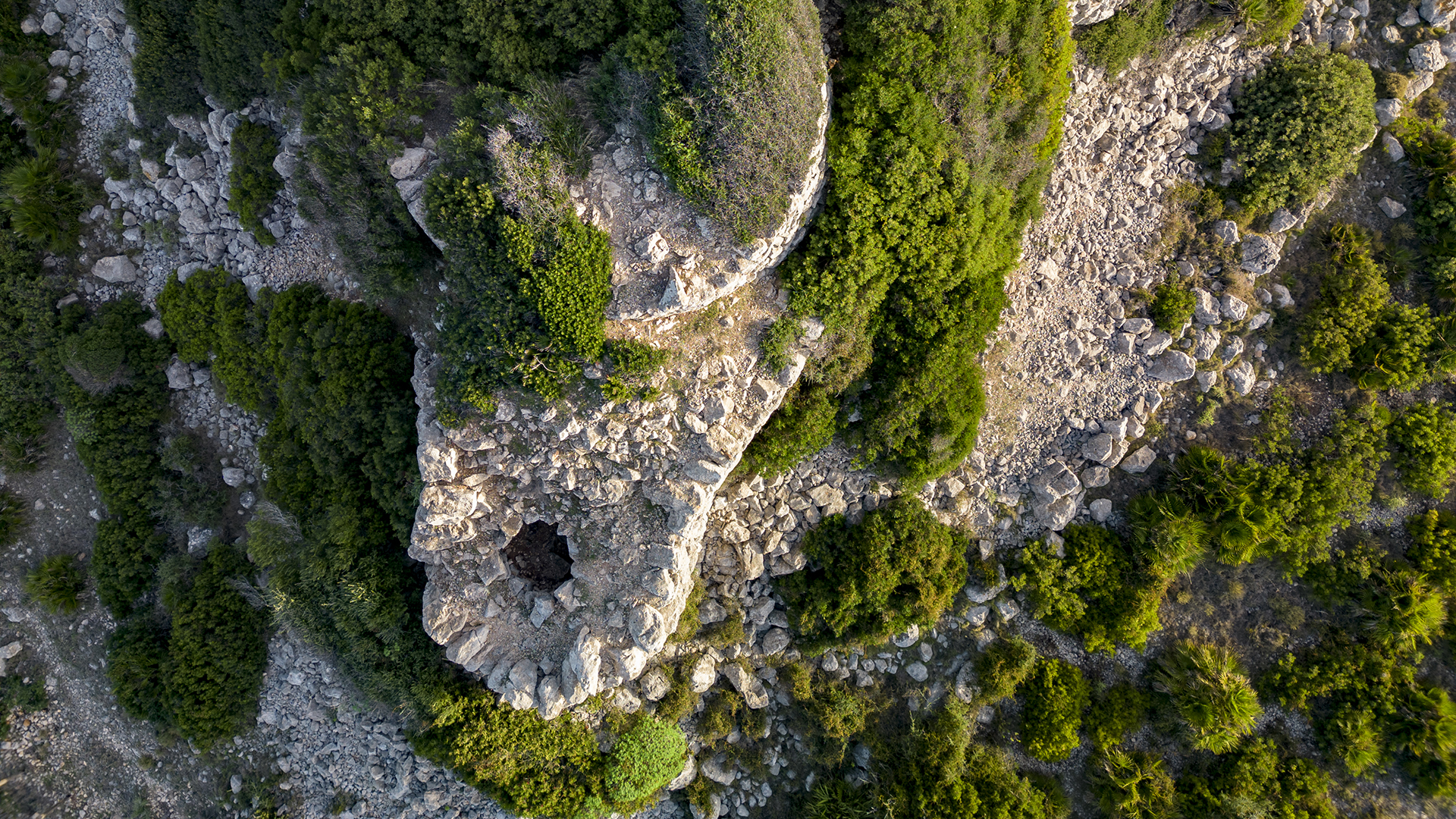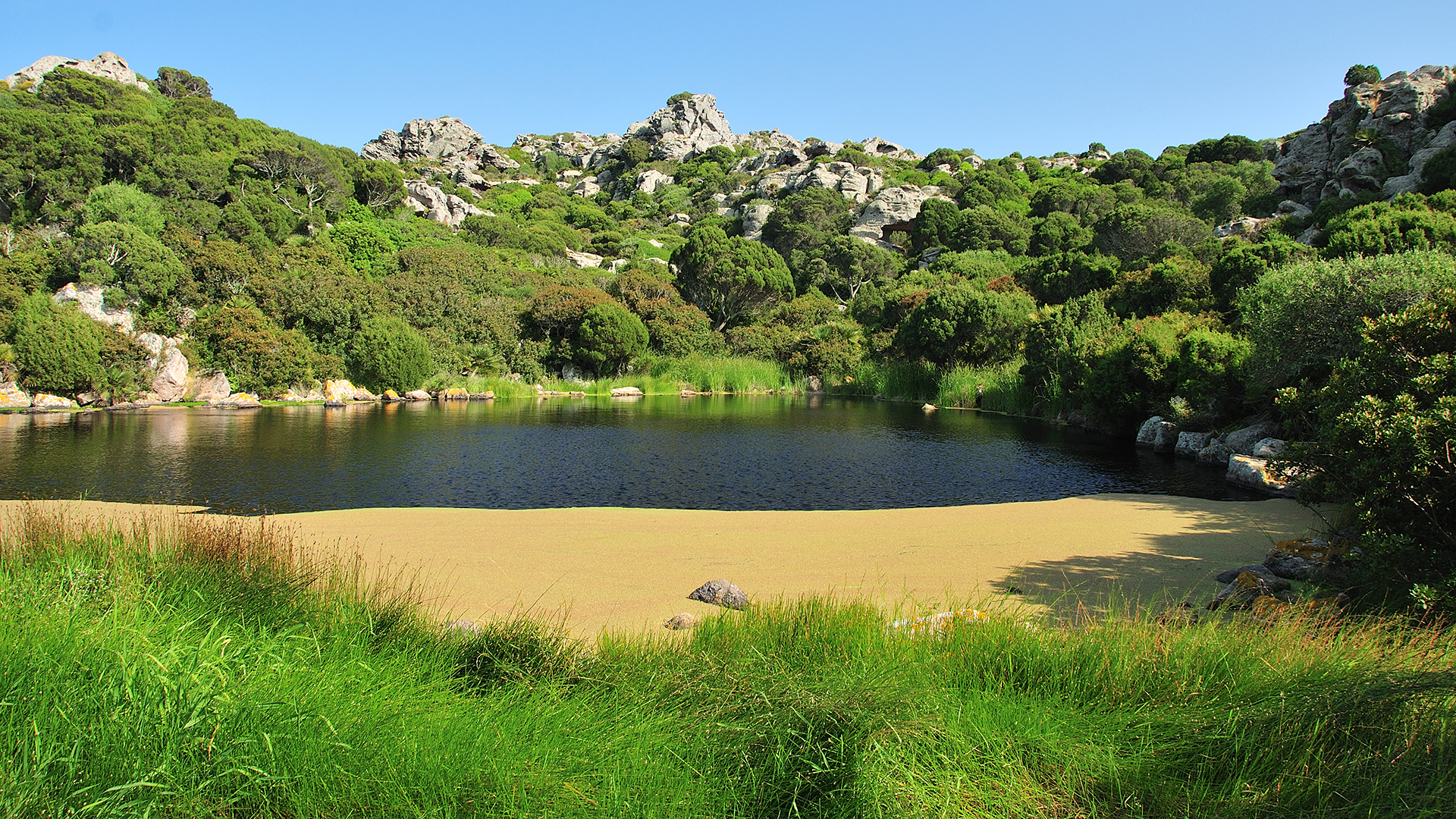
If you visit Sardinia, a must-see is certainly the monument that symbolises this land: the nuraghe, a very special stone construction, an icon of the island's protohistory. So let yourself be enveloped by the aura of imperturbable charm of these millenary testimonies of the ancient Nuragic civilisation. Even today, their function is debated and never unambiguous, but their positioning, in highly strategic points along the coast and on inland reliefs, suggests that they were particularly suitable places for controlling the territory. In Sant'Antioco, you can find the remains of no less than 43 nuraghi, as well as nine Tombs of the Giants and a well temple. The largest number are located in the central-southern part of the island, dominating the Canai plain and the Riu Triga watercourse. We recommend a pleasant excursion to some of these nuraghi, which are easily accessible, such as the white nuraghe of S'Ega 'E 'Marteddu, which can be reached through a fork in the road leading to the hamlet of Maladroxia. It consists of a keep and a bastion with three side towers that are only partially preserved. The main tower is preserved almost intact and dominates the bay of Maladroxia and the mouth of the Rio Triga, offering a splendid view. Of enormous charm is the complex of Grutti 'e Acqua, located to the west of the plain of Canai, well accessible and with parking, whose location is indicated on the map below. Here, you will be immersed in a timeless place, where nature rules. From the highest spur of the area, you will be able to see the remains of a complex nuraghe with four towers, while perched on a rise further south, suspended between space and time, are a corridor nuraghe, a tholos nuraghe and the remains of numerous huts. Arriving at the basin that houses the artificial reservoir known as the 'little nuragic lake' will fill you with peace, totally immersed in a magical silence. The waters, abundant in the winter months, were probably used in the past for specific ritual celebrations linked to the water cult. Downstream, a few hundred metres, you will find the only well temple on the island also consecrated to the cult of this fundamental element. A few hundred metres from the nuragic complex, lying on a rocky platform, you can admire the Su Niu de Su Crobu Tomb of the Giants, the best preserved in the area and the ideal place to admire one of the most beautiful sunsets on the island. A lesser known but certainly no less interesting site is the nuragic complex of Corongiu Murvonis. The nuraghe, formed by a central keep and other neighbouring towers, is defended by an imposing bastion around which an important village, still to be discovered, has developed. Once again, the heart of the island will not deny you unusual landscapes and unusual perspectives. Concluding along the provincial road in the locality of Canai, you will come across the polylobate nuraghe of Feminedda and the two-coloured nuraghe S'Uttu de su Para, both with a complex structure, of which the perimeter circuit and some internal structures are preserved today. Arm yourself with comfortable shoes and come learn about the ancient roots of this island, you won't be disappointed!