Listen to the sound of tradition, discover the island starting from the world of sounds and gestures, of the shapes and colours of the craftsman: crafts and skills that from domestic weaving lead us to the varied world of Carignano del Sulcis wine growing, grown in the northern sandy expanses of the island.
STAGE 1
Ethnographic Museum
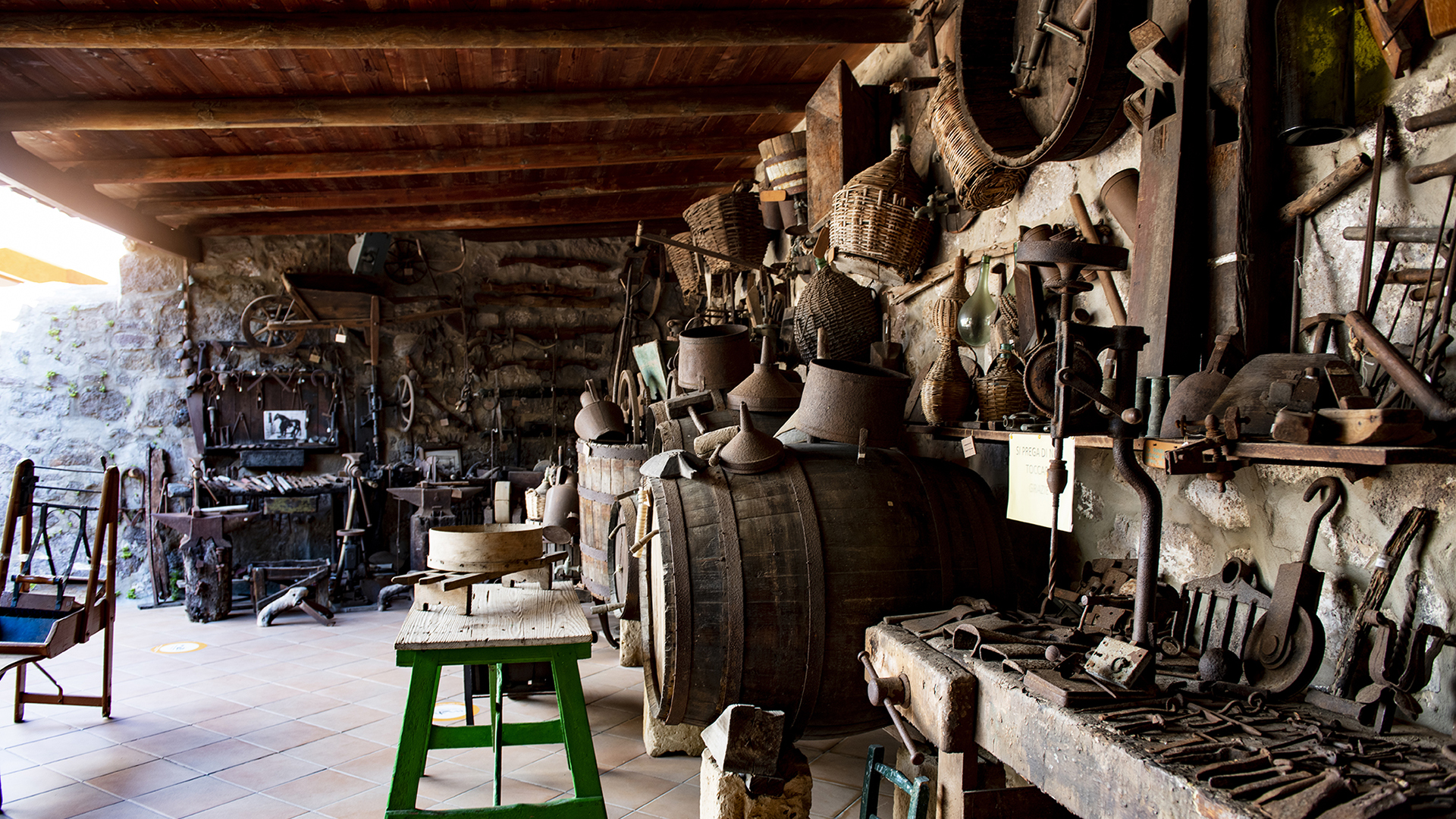
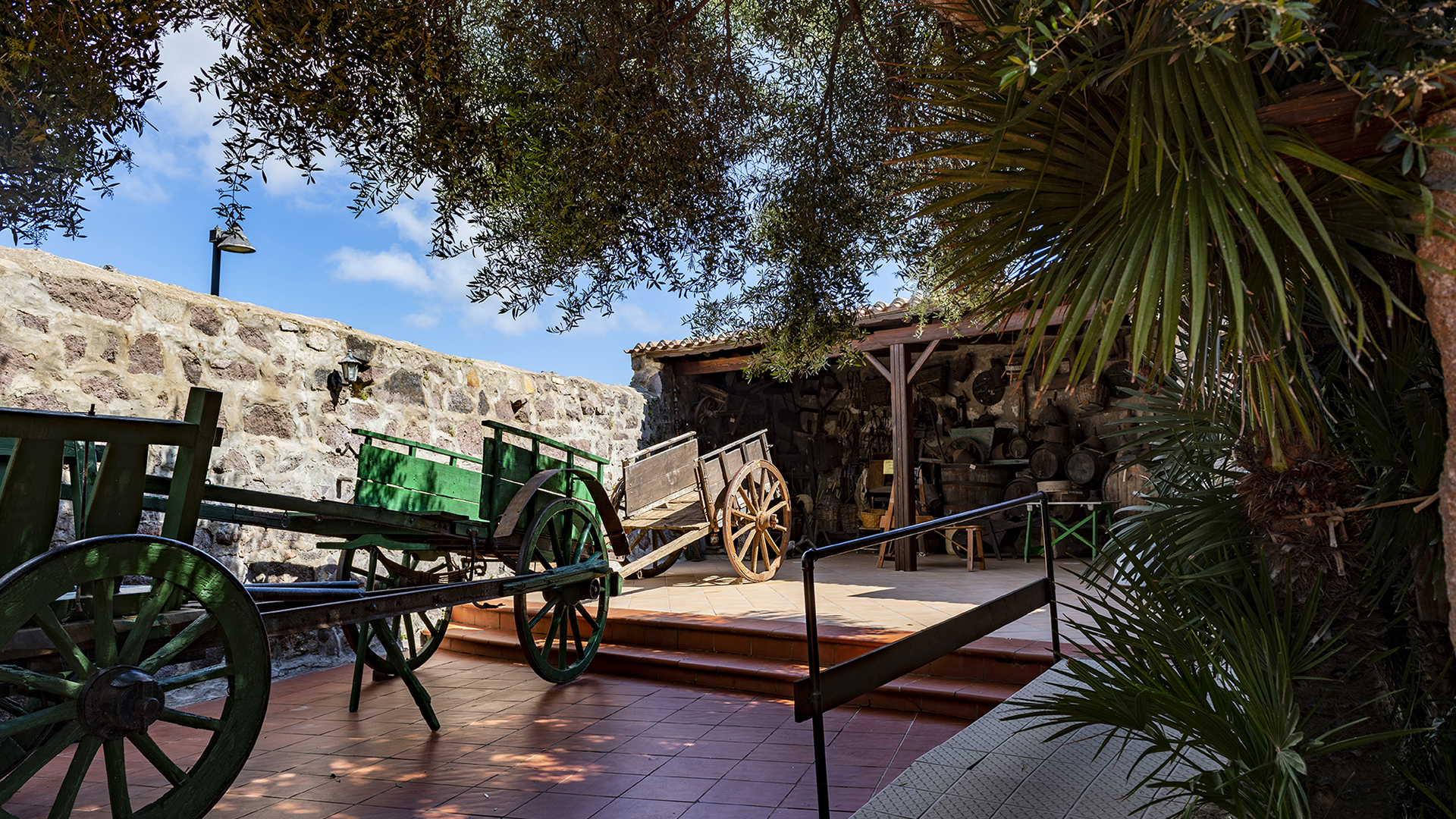
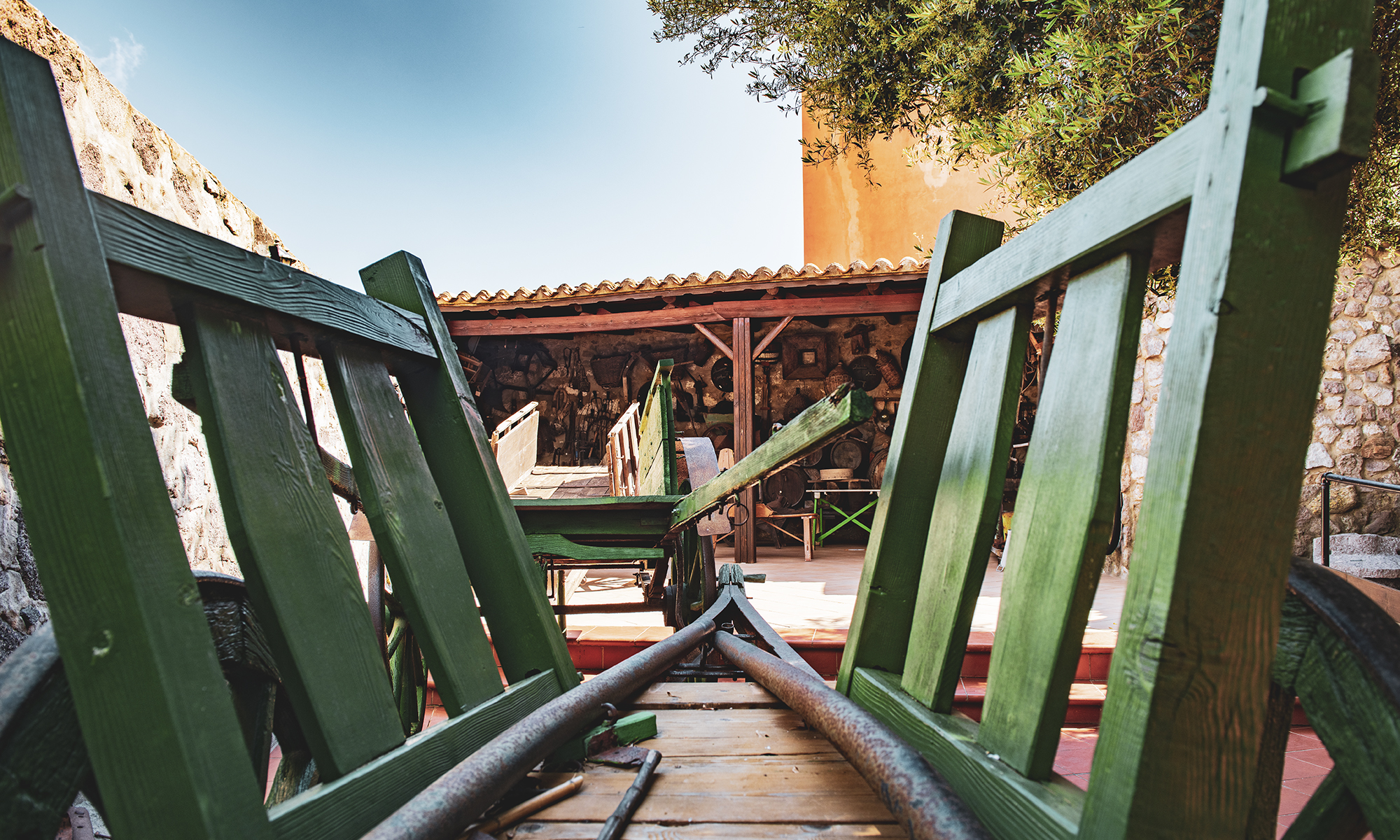
'Su Magasinu de Su Binu', the Wine Warehouse: this is the historical name of this fascinating typical building, dating back to the 18th century. It is impossible not to be fascinated by the vast collection of traditional tools and objects, which tell a thousand different stories of the daily life of our parents and ancestors.
Location: Via Necropoli, 24D
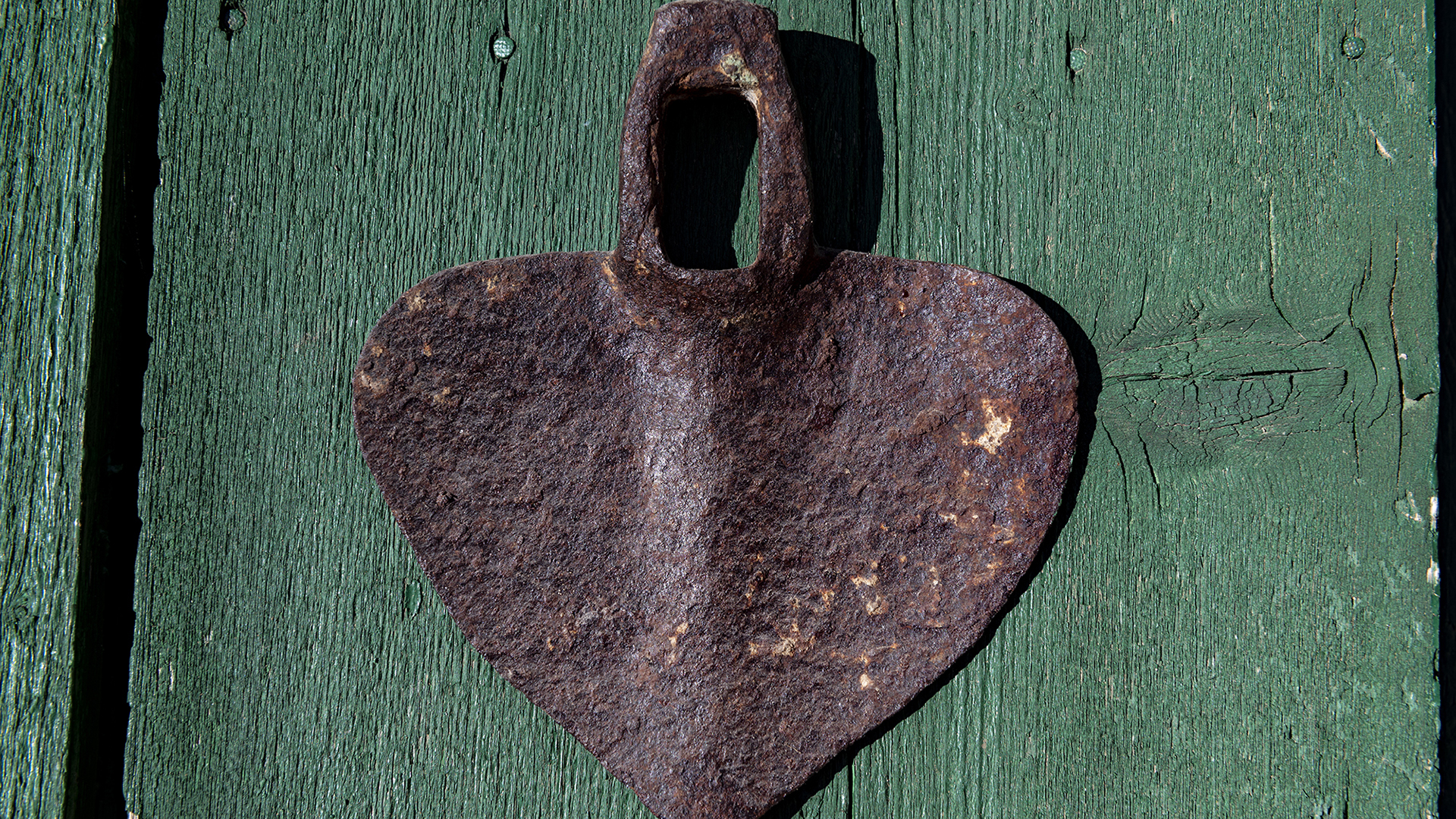
Inside the Ethnographic Museum you can experience a world very different from today's: a world in which everything is made from zero kilometre, from the blacksmith's iron tools, useful for all daily chores, to carved wooden furniture, reed baskets, mats and bags woven from the dried leaves of dwarf palms.
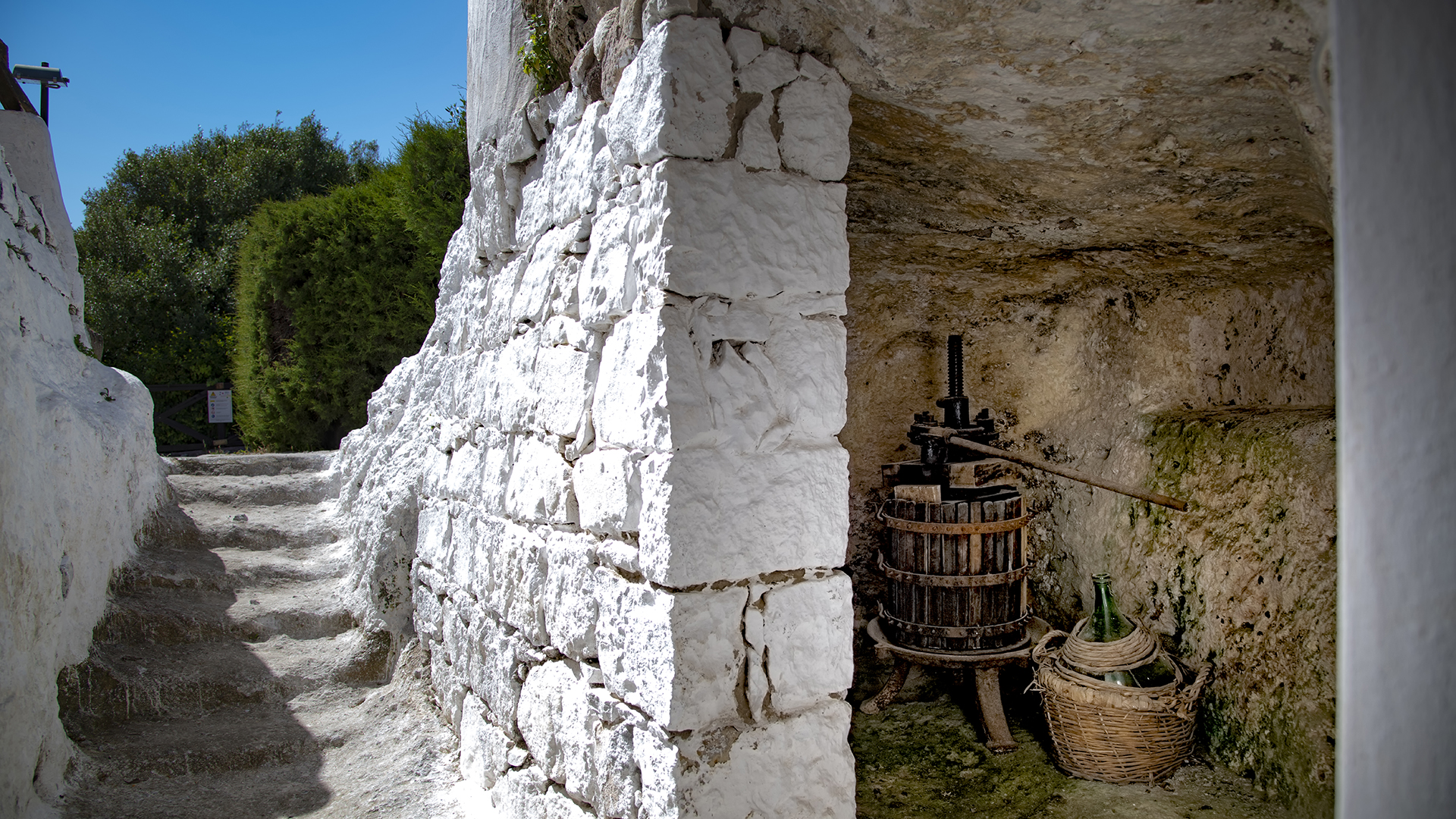
Each tool and object has its traditional name in the Sardinian language: for example, 'sa scifedda', a large earthenware bowl used to knead bread or prepare 'sa fregula', the traditional Sardinian pasta that you can enjoy in our restaurants, or 'sa prencia', the grape press with its unmistakable sound.
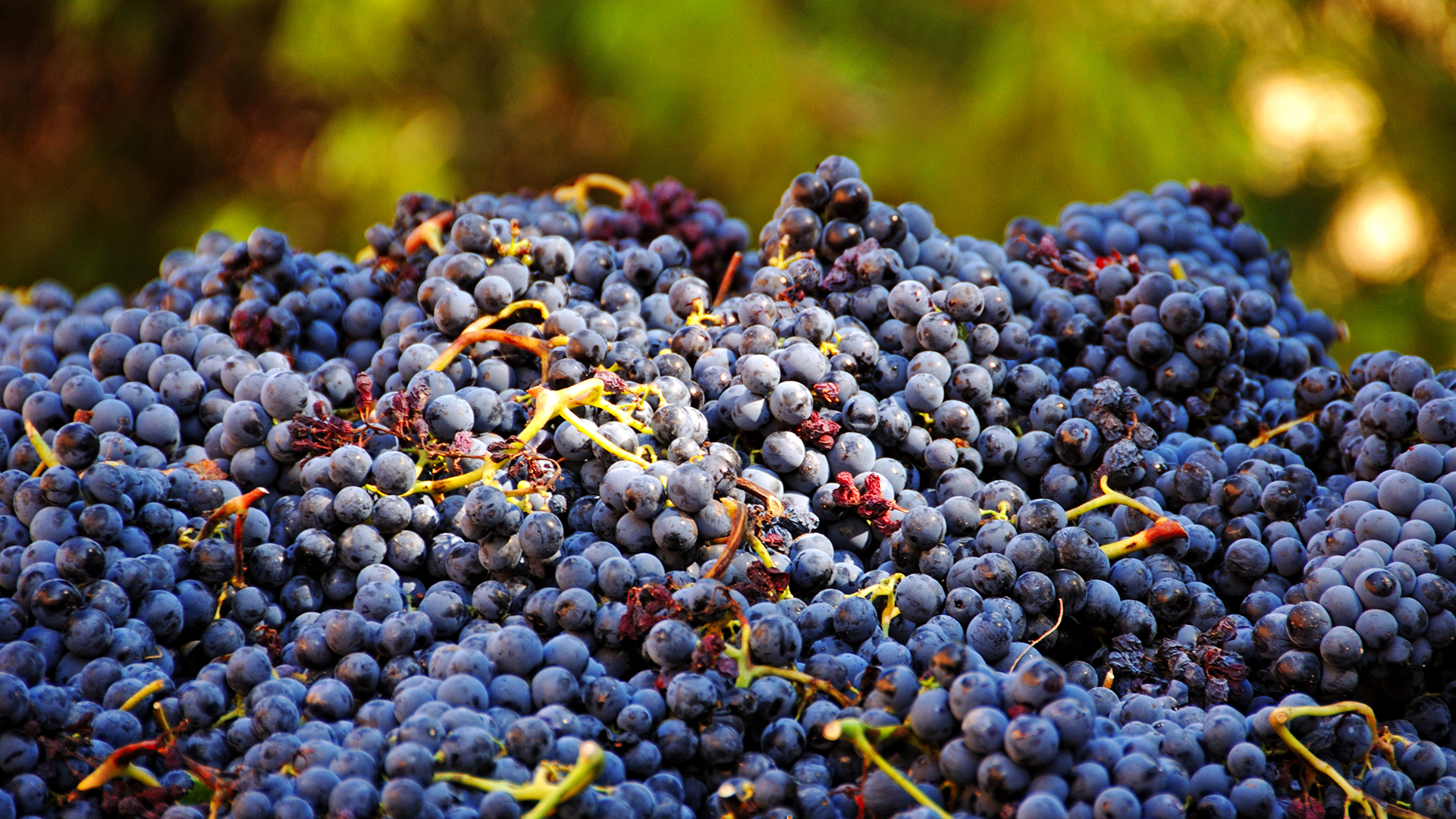
A large area is dedicated to Carignano del Sulcis, the traditional wine of this area, where all the utensils that were used to grow vines and make wine can be found.
Listen to the podcast

It was right here, in the 'Magasinu de su Binu' that the much-appreciated drink, with its strong and intoxicating taste, was produced and sold, and is still a staple on the tables of the people of Antioch today.
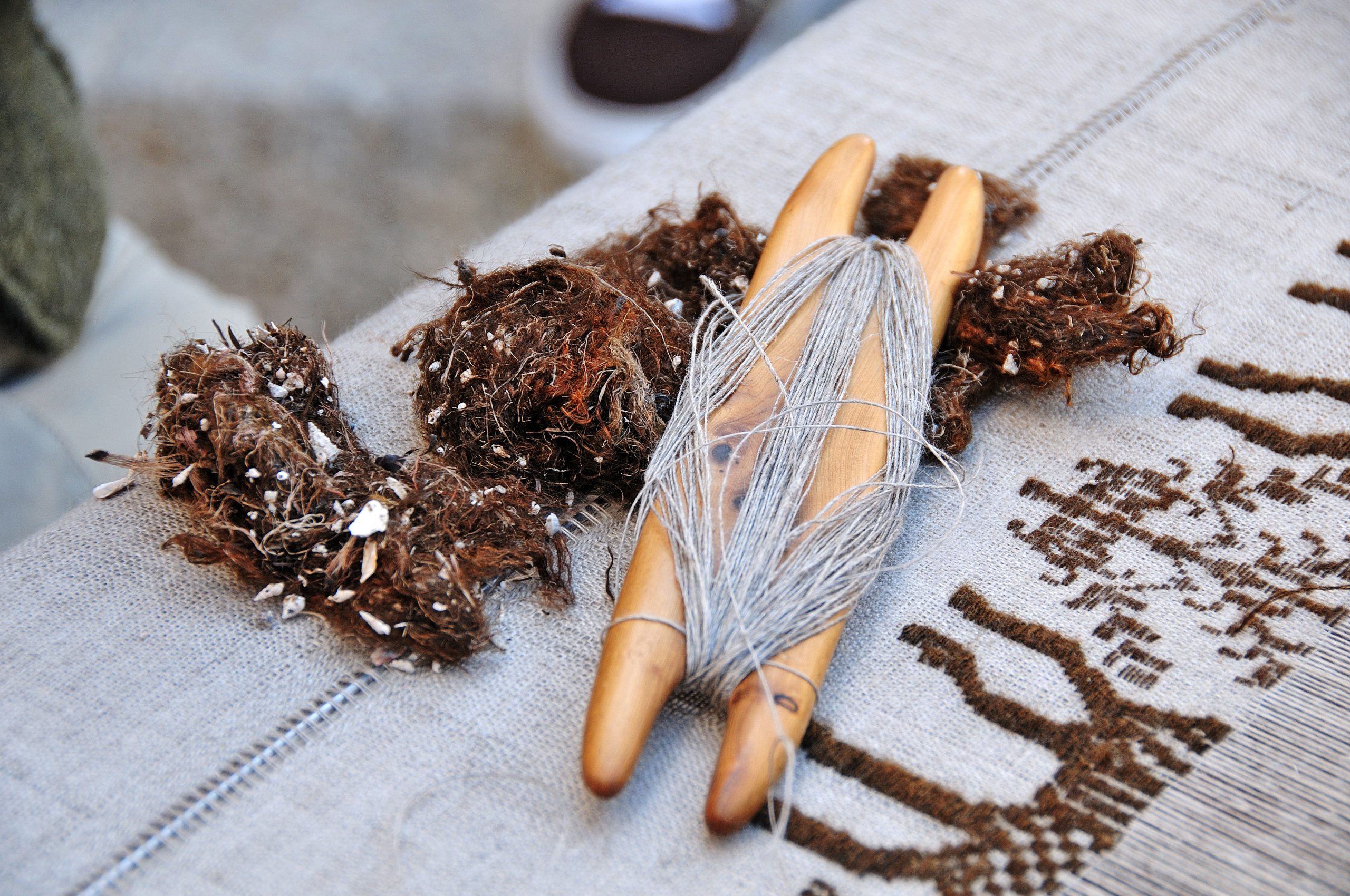
Also very important to the tradition of Sant'Antioco is the weaving of byssus, a precious filament obtained from 'is naccherasa', the nacchere, the specimens of Pinna Nobilis that in the past were numerous in the shallow waters of the lagoon.
You can admire the byssus artists at work at one of the next stops on the Mistral Itinerary.
Each tool and object has its traditional name in the Sardinian language: for example, 'sa scifedda', a large earthenware bowl used to knead bread or prepare 'sa fregula', the traditional Sardinian pasta that you can enjoy in our restaurants, or 'sa prencia', the grape press with its unmistakable sound.
A large area is dedicated to Carignano del Sulcis, the traditional wine of this area, where all the utensils that were used to grow vines and make wine can be found.
STAGE 2
Hypogeum Village
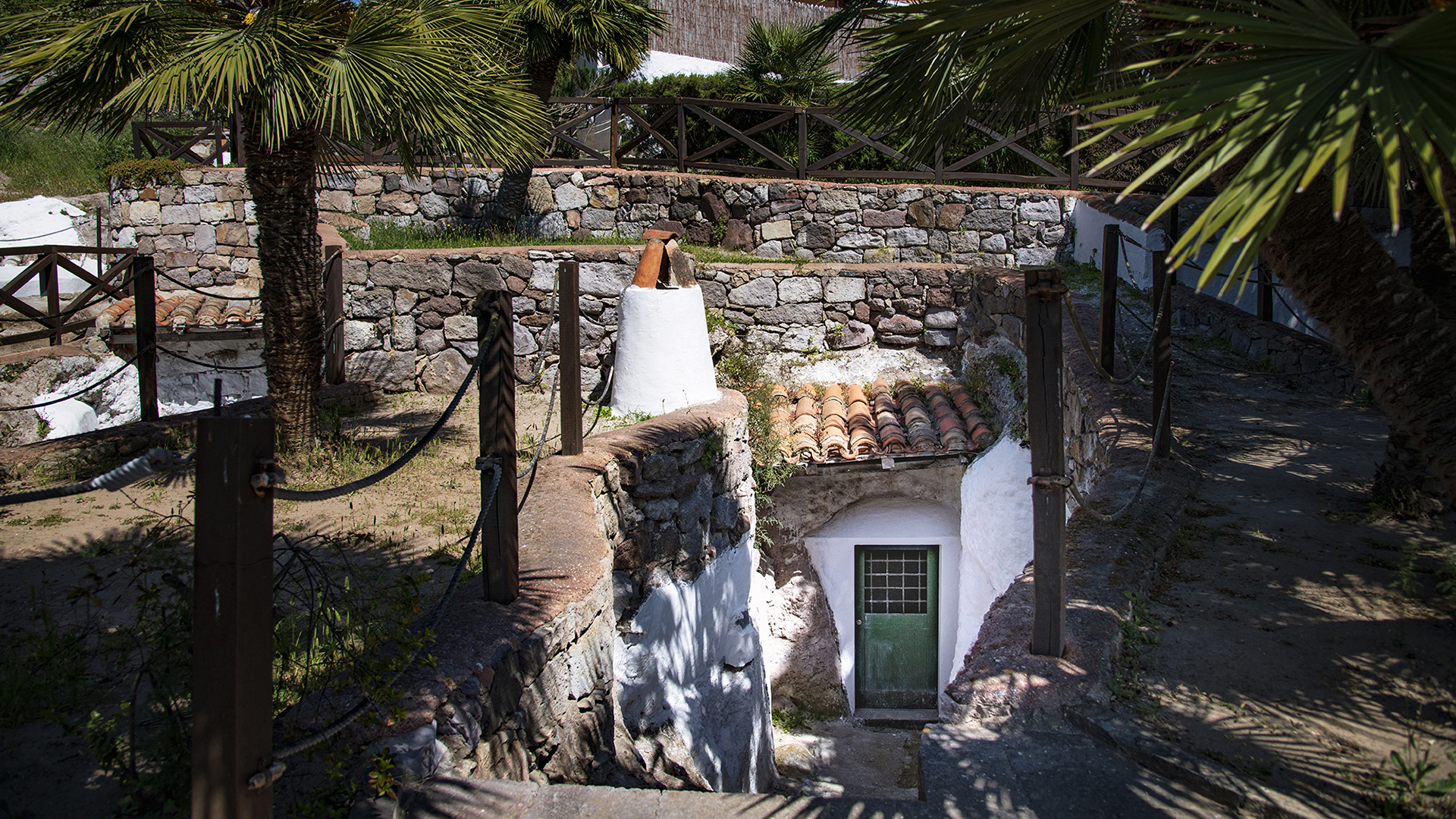
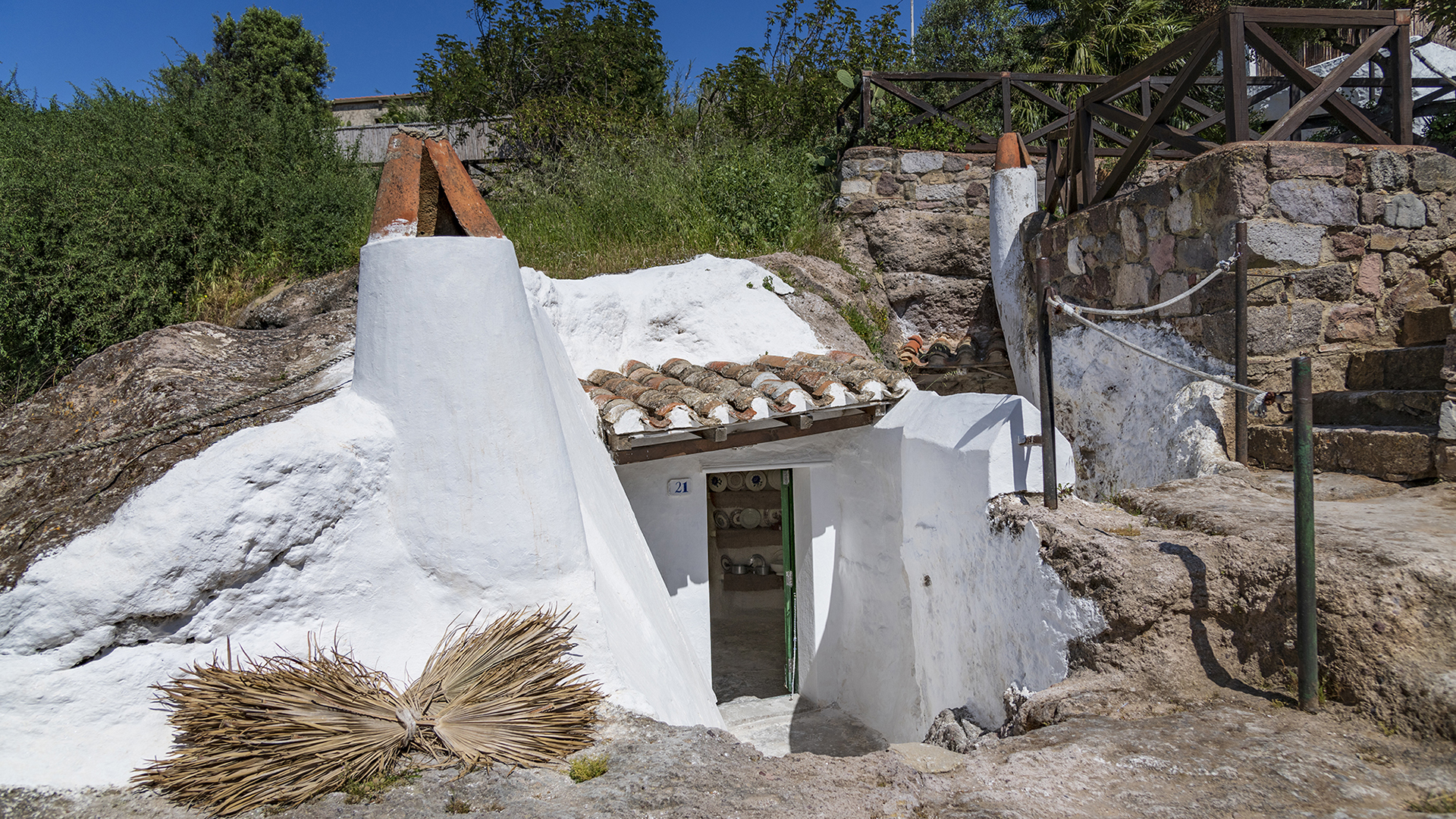
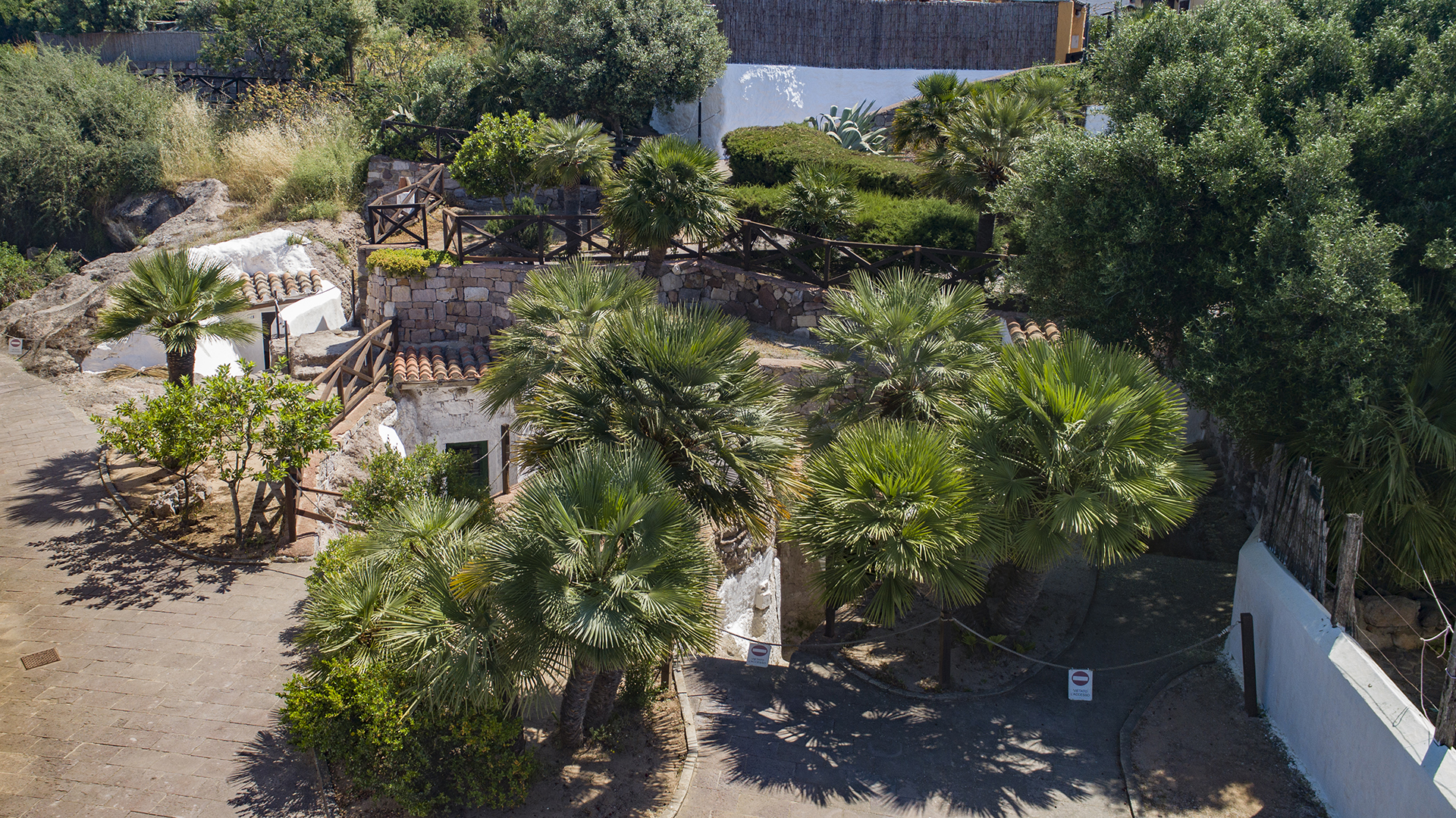
An entire village underground, real houses with rooms, kitchens, corridors carved into the living stone: the Hypogeum Village of Sant'Antioco is a unique site where you will discover the simple and authentic way of life of the old inhabitants of Sant'Antioco.
Location: Via Necropoli, 18
That of the Hypogeum Village is a story that originated centuries ago, when the Church decided to encourage the repopulation of the ancient city of Sulky, later named Sant'Antioco in honour of the Martyr whose sacred remains were found in 1615.
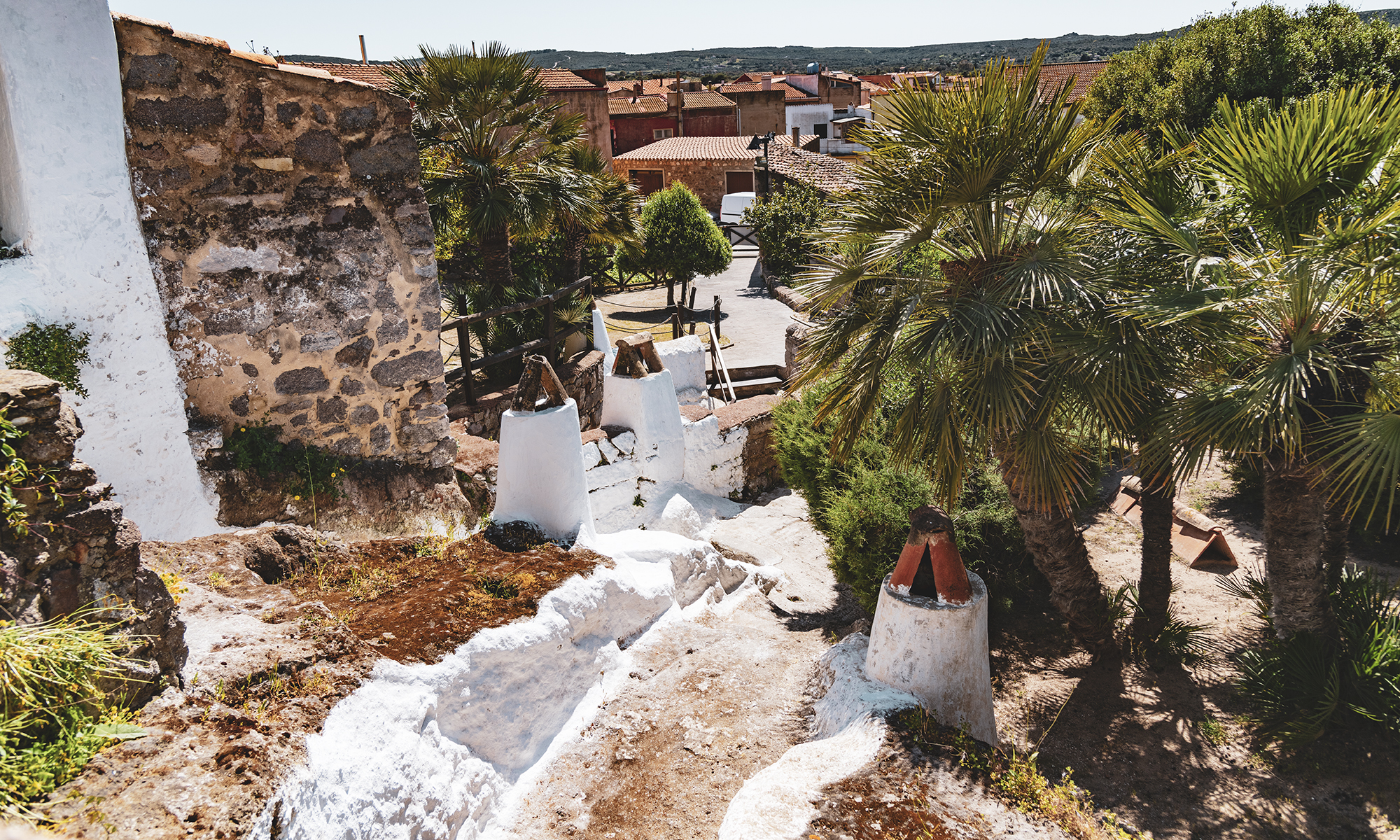
Many families were given land, but others moved to the small island without getting anything in return: lacking the economic means, they decided to appropriate many of the Punic tombs in the Necropolis, removing everything inside and making them suitable for habitation: they joined non-communicating rooms, built chimneys for the smoke of the hearth, and built enclosures for animals.
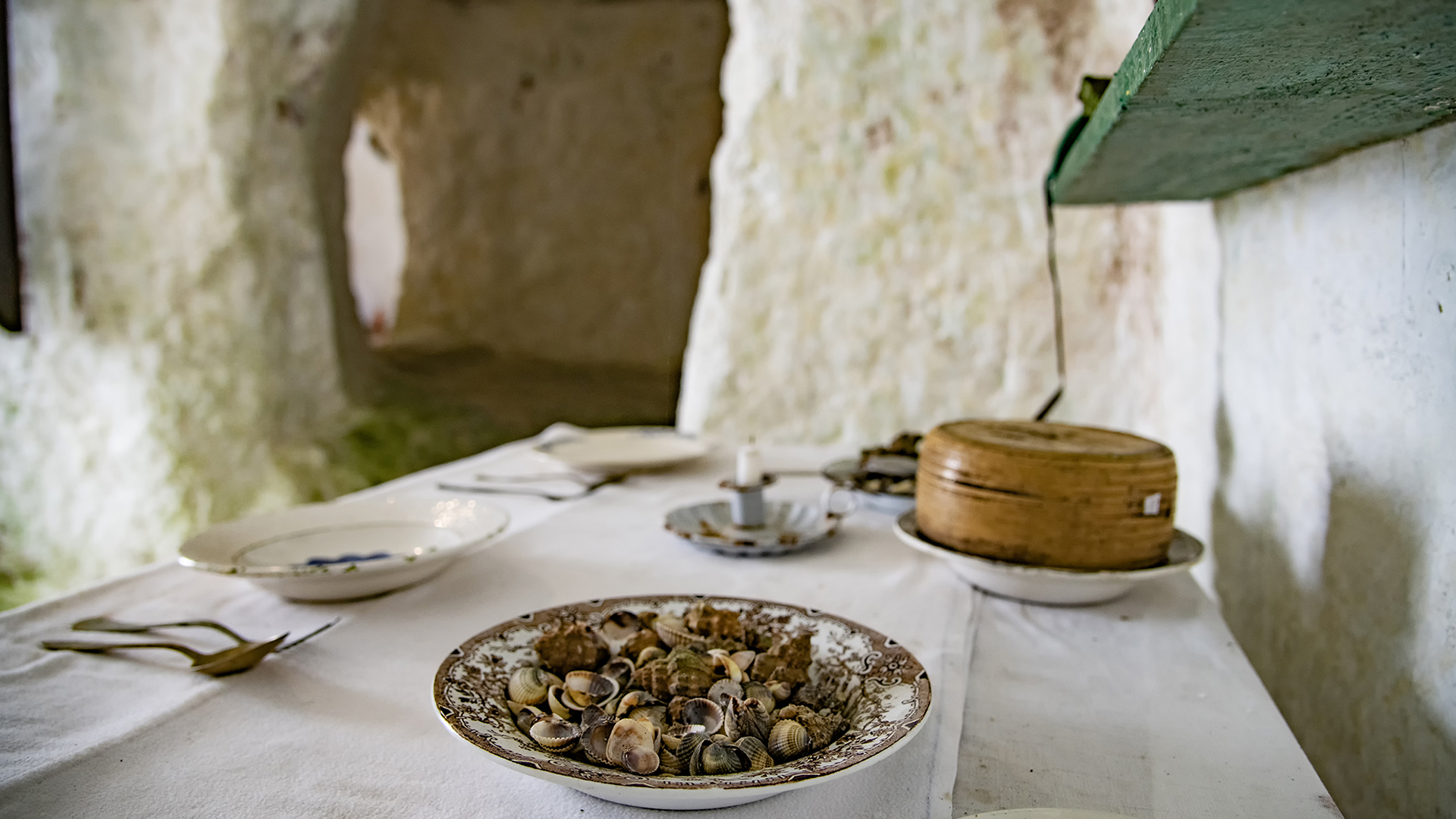
The rooms were whitewashed periodically with lime and were furnished like normal dwellings: there are tables, chairs, shelves, beds and mats, and kitchen utensils.
Listen to the podcast in Italian

All in all, the cave dwellers, 'is gruttaiusu' adapted well to what this difficult place afforded them, and even today it is said that, at least in terms of temperature, these underground dwellings were pleasant: 'cool in summer and warm in winter'.
The villagers performed the most menial jobs, worked for landowners, gathered wild fruits of the earth, practised small-scale fishing and shellfish gathering in the generous Sant'Antioco lagoon.
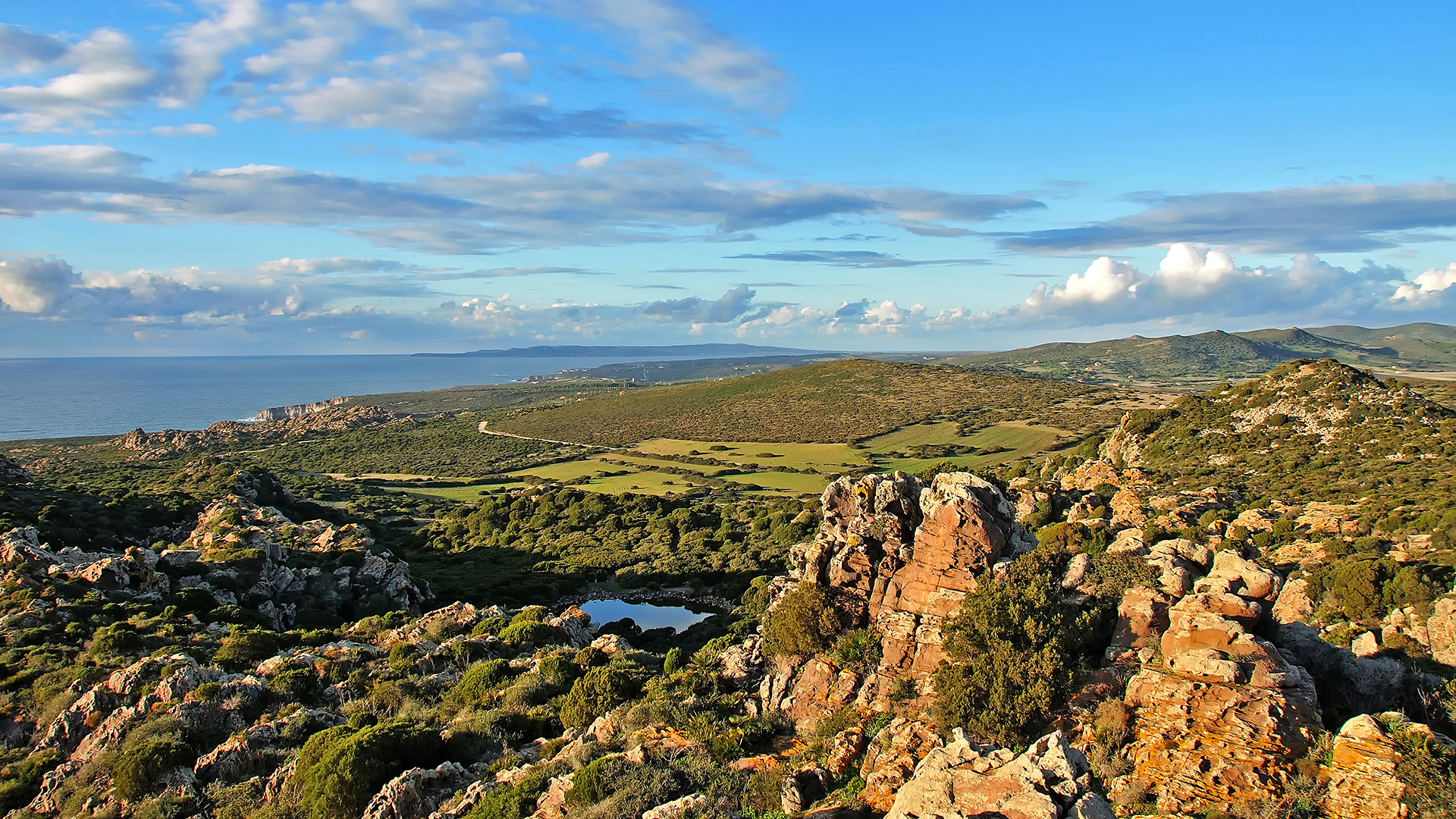
At the beginning of the 1970s, the last inhabitants of the caves obtained modern houses, so the Hypogeum Village became an open-air museum and a precious testimony to our city's past.
STAGE 3
Weaving workshop
The rhythmic sound of an ancient loom, the concentrated silence and the attentive gaze of craftsmen weaving works of art, whose secrets and weaves are jealously guarded and passed down from person to person. Weaving workshops are a uniquely fascinating experience that enriches your soul.
Location: Via Petrarca, 5
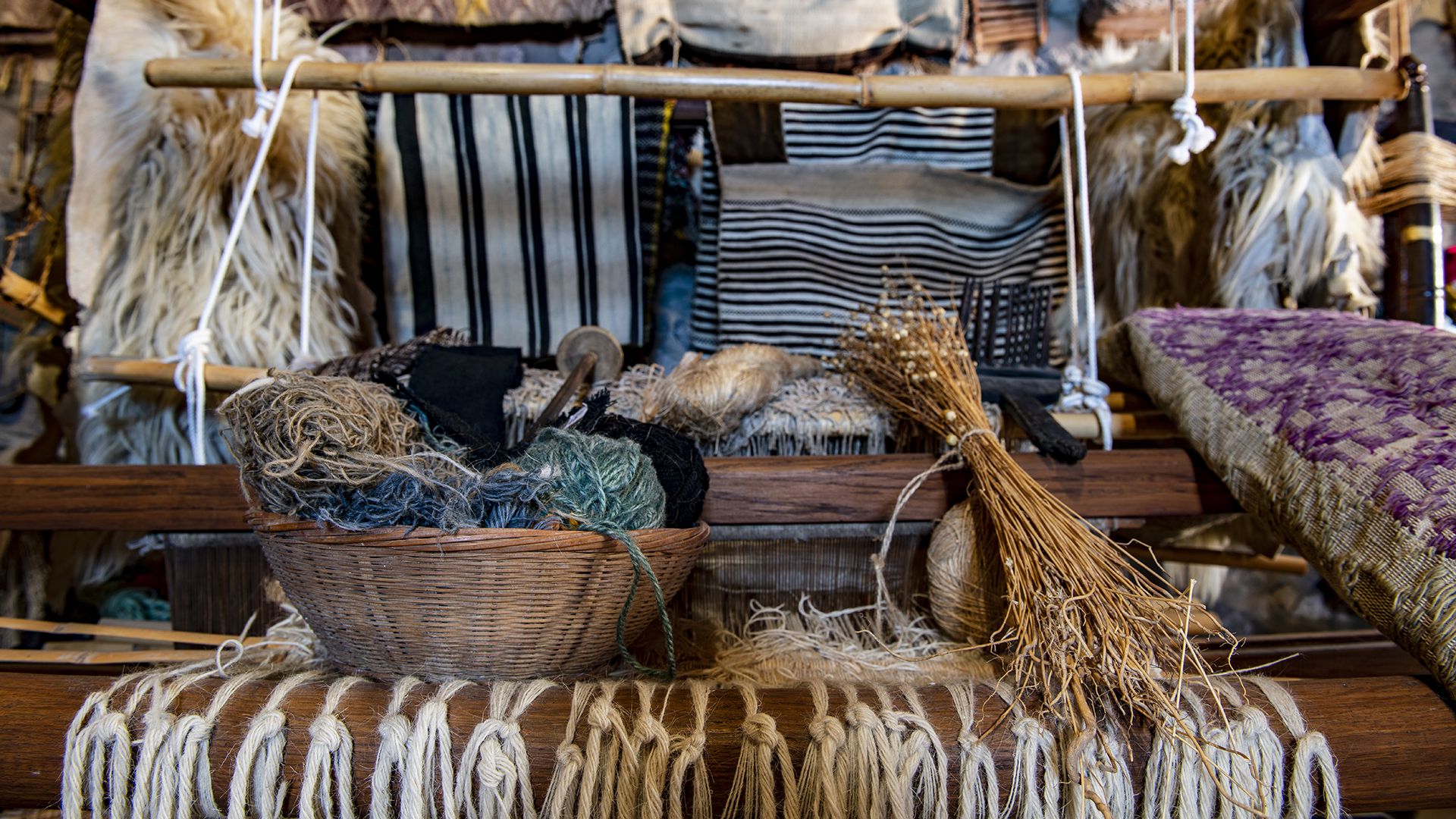
In the weaving workshops in Sant'Antioco, you will see how one of the most characteristic traditions of our territory takes shape, through the skilful and impeccable hands of local craftsmen.
Weaving is one of the oldest arts, which in the past represented indispensable knowledge: women had to know how to weave clothes for the whole family, using the fibres that were available, such as wool or linen, and natural dyes derived from the fruits of the earth.
Owning a real loom was certainly not for everyone, considering both the cost and the size of this marvellous instrument. Only those in the weaver's trade had one, and could produce works of great beauty and value, such as carpets and tapestries, which adorned the homes of the wealthiest families.
Listen to the podcast

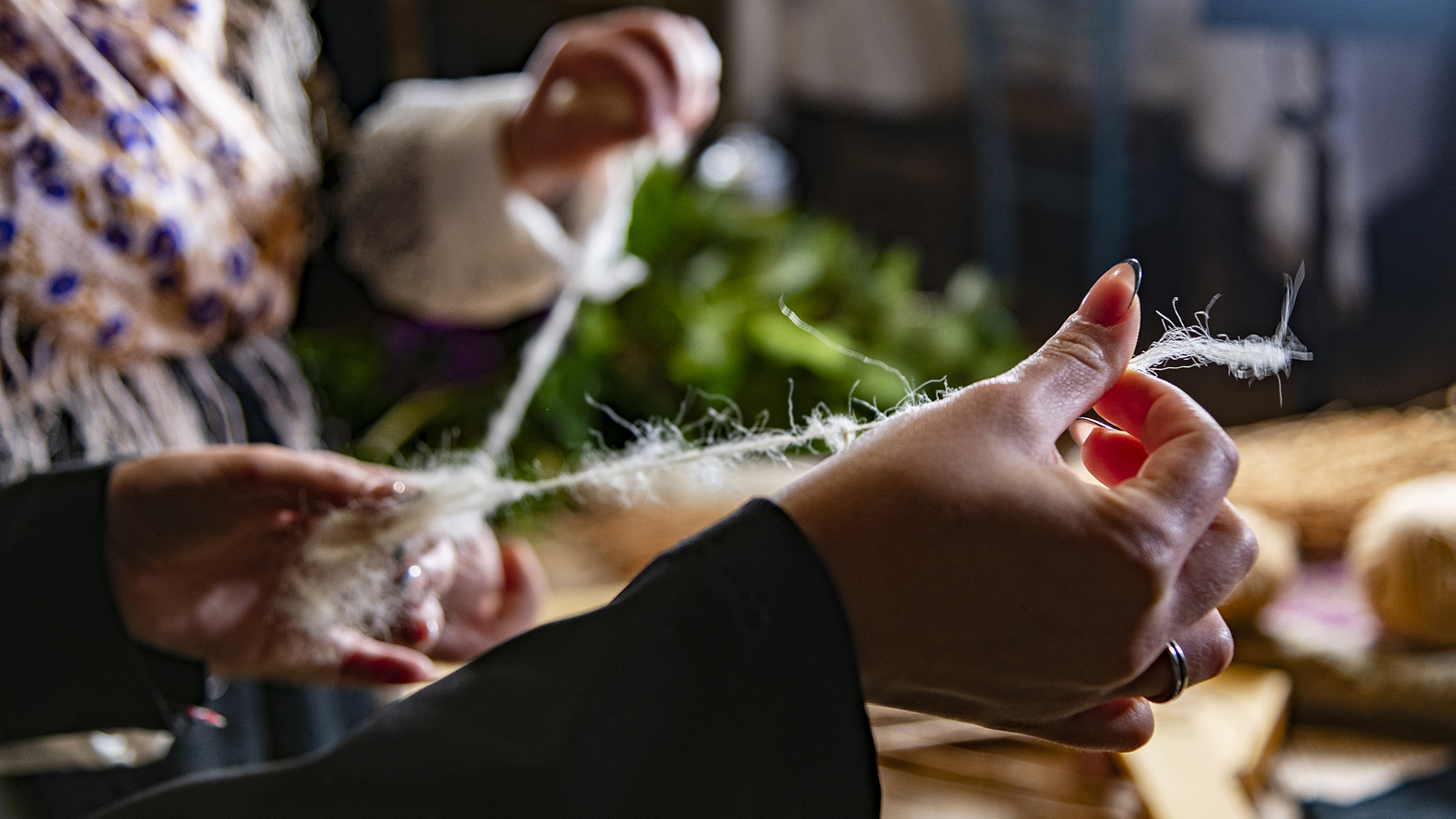
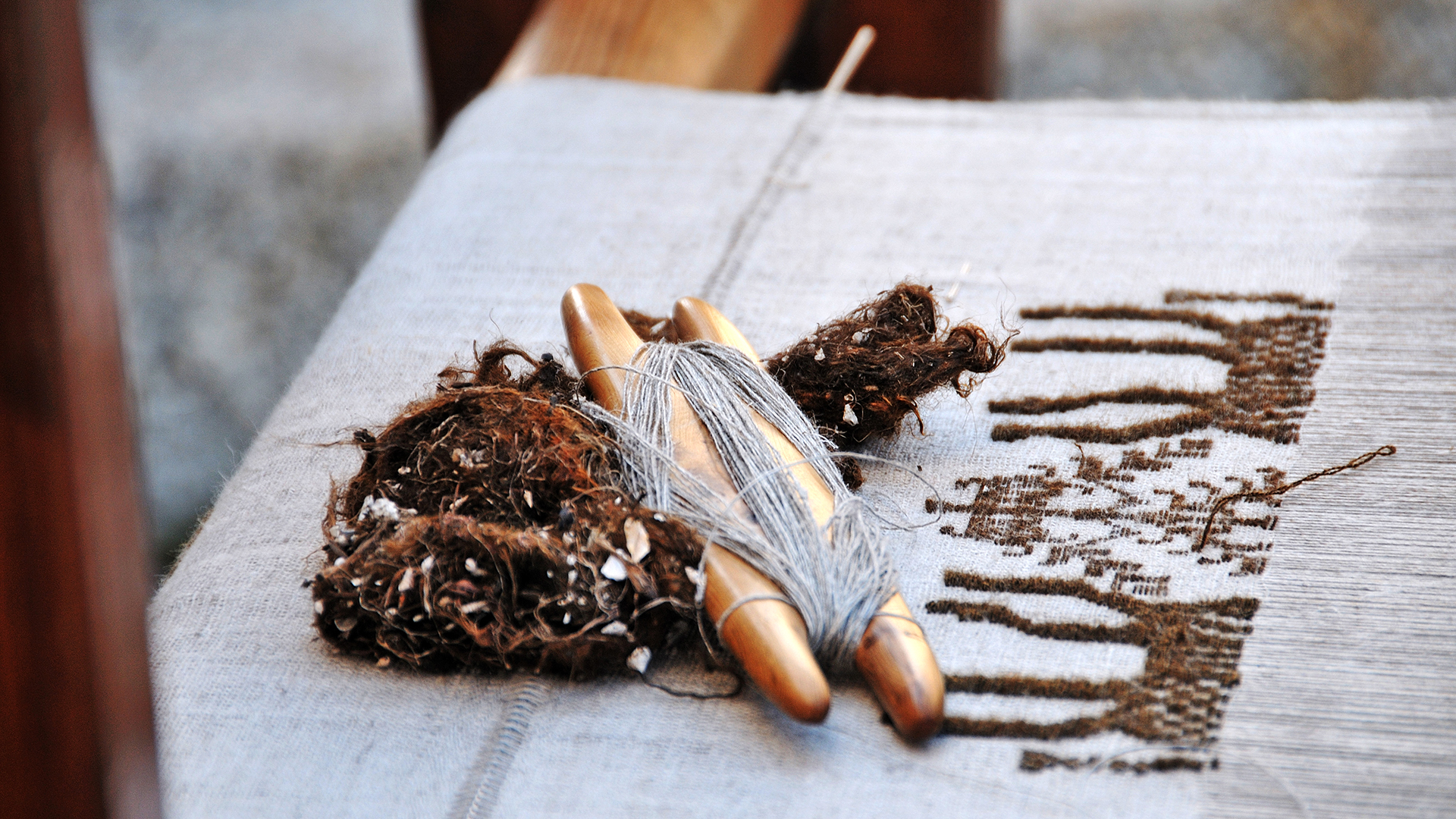
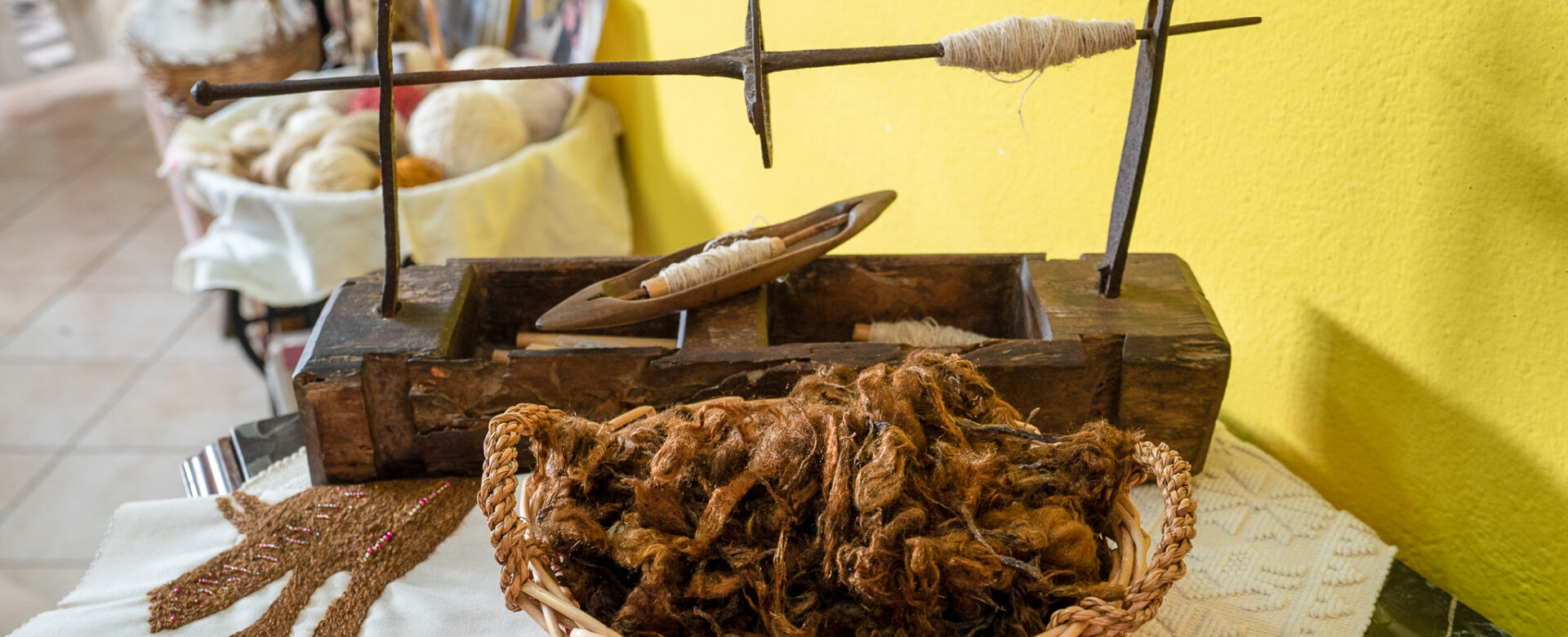
But what really characterises the textile production of Sant'Antioco is the use of a fibre as shiny as gold and even more precious: byssus marino.
Sea-silk weaving is an art whose origins are lost in the ancient Orient... The shiny works created with this precious filament adorned the clothing of the greatest ecclesiastical figures and ancient rulers. In Sant'Antioco, this tradition of inestimable value still lives on, thanks to the passion and genius of Italo Diana, a great byssus master who revived the tradition in our town by opening his school in Sant'Antioco in the 1920s.
Today, the tradition survives thanks to the heirs of this renewed tradition, who are the guardians and promoters of an art that we want to survive forever.
STAGE 4
Is Nuus Nous
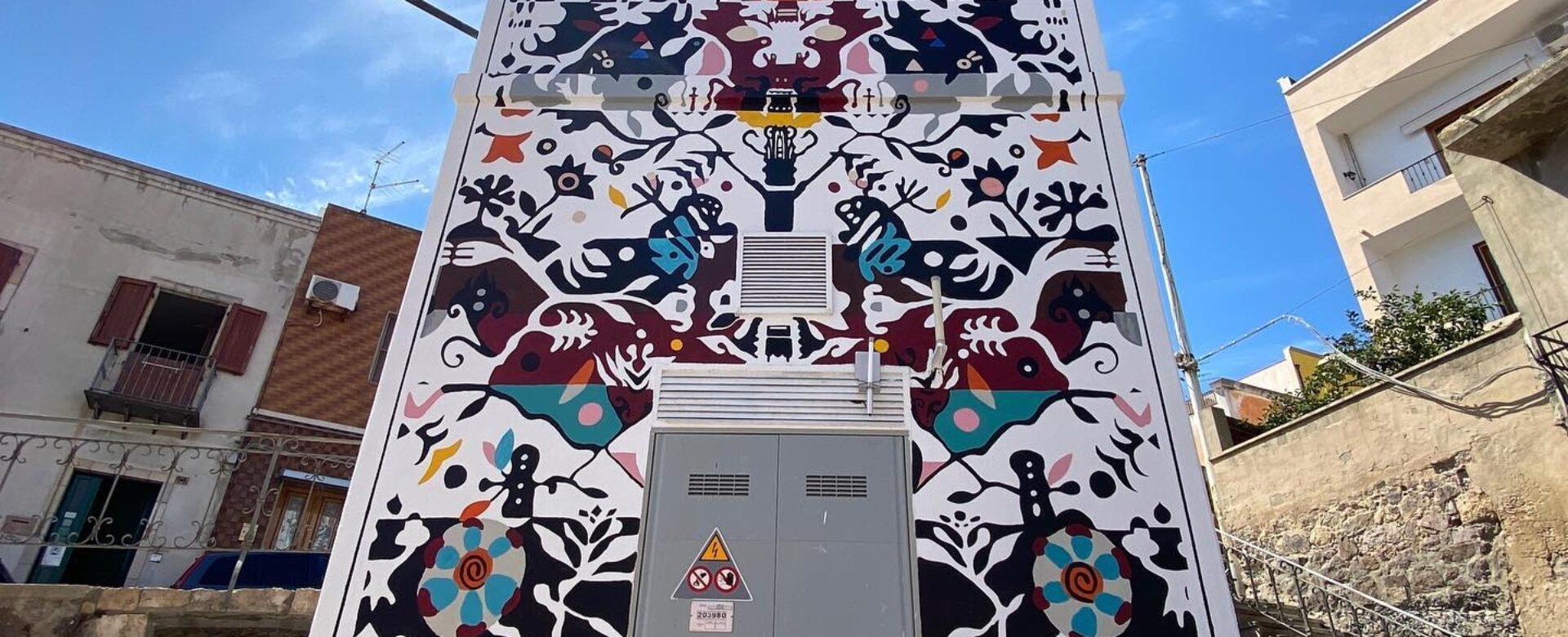
A splendid mural in Sant'Antioco, very special for being painted on four sides and for representing a complex web of shapes, traditional designs and unique details, making it a one-of-a-kind mural. A photo or selfie is a must!
Location: Via Belvedere
There are places so rich in history, art and traditions that it would be impossible to explain them in a few words, and Sant'Antioco is certainly one of them.
We believe that where words cannot reach, only art can, and Giorgio Casu, an internationally renowned Sardinian artist, has succeeded in his aim of encapsulating the true essence of Sant'Antioco in a magnificent mural.
Listen to the podcast
Looking at this work is a true experience, which is always renewed: every detail has its own story to discover, rooted in time and in the material and immaterial culture of our island: stories that speak of traditional knowledge and skills, of ancestral symbols, of identity and pride.
Open the podcast and admire the work told in the words of the artist himself, listening to the sounds of the Sardinian tradition that is constantly being renewed but remains unchanging in its essence, unique and special.
STAGE 5
Sardus Pater Winery
Would you like to discover where Carignano del Sulcis originated and what its secrets are? You've come to the right place: the Cantina Sardus Pater, one of the largest and most famous wineries in the area, is ready to welcome you for an authentic and unrepeatable wine experience.
Location: Via della Rinascita, 46
Cantina Sociale Sardus Pater is the home of Carignano del Sulcis in Sant'Antioco. For decades it has represented the benchmark in the world of local wine production, bringing together producers and supplying customers all over the world with a typical product of excellence, of which we are particularly proud, along with other excellent wines suitable for every occasion and dish.
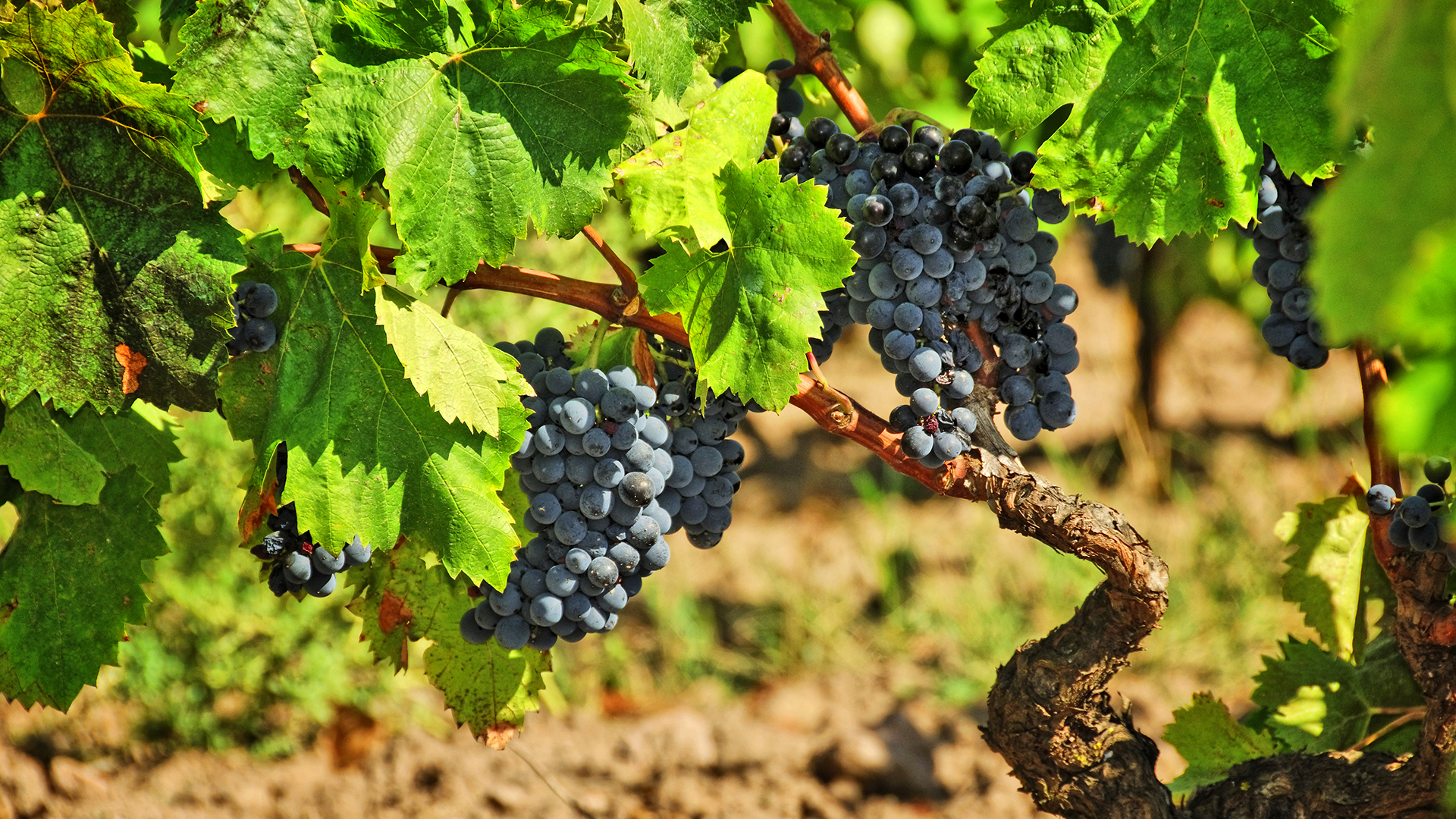
At the Sardus Pater winery, you can discover the history of our Carignano del Sulcis, with all its peculiarities that make it a unique wine: the sandy soil, the Latin sapling, the free foot, the mistral and the saltiness that permeate the air of the island...
Listen to the podcast
From here, you can then deepen your knowledge of Sant'Antioco's typical wine by visiting the island's vineyards and small cellars, touching the characteristic elements of wine-growing in Sant'Antioco while tasting a glass with an intoxicating aroma and discovering the familiar, friendly and hospitable world of local producers.
Travel with us on a journey full of history and tradition that will amaze the less experienced as well as the more passionate oenologist.