The importance of the Food-Wine paradigm
The combination of food and wine is a fundamental element in food and wine culture. The right wine can enhance a dish, just as a well-chosen dish can enhance the wine: it is an essential combination for a complete sensory experience. We often hear that 'fish goes with white' and 'meat with red', but the reality is much more nuanced. Every wine has its own character, every dish has its own structure, and even the season can influence the choices. In summer, for example, we tend to prefer lighter and fresher wines, such as whites, rosés, sparkling wines, or a young, not too structured Carignano, to be served at around 17 °C. Once poured into the goblet, the wine quickly reaches 18-19 °C, considered ideal to best appreciate its aromas and personality.
Carignano: a wine of multiple expressions
One cannot speak of combinations with Carignano as if it were a unique and always the same wine. The variety of the vine is only the starting point: each interpretation of this wine changes depending on the work done in the vineyard and in the cellar. The common matrix, of course, remains the grape variety, but the final product can be very different depending on how it is vinified, matured and refined. The result is a wide range of Carignano wines, from the young and fruity to the more complex and structured, each of which requires different combinations to be fully appreciated. And this is precisely the most fascinating aspect: to choose the right match, it is not enough to simply say 'Carignano', but you need to know the specific characteristics of the bottle in front of you.
Sardinian tradition and Carignano: a natural link
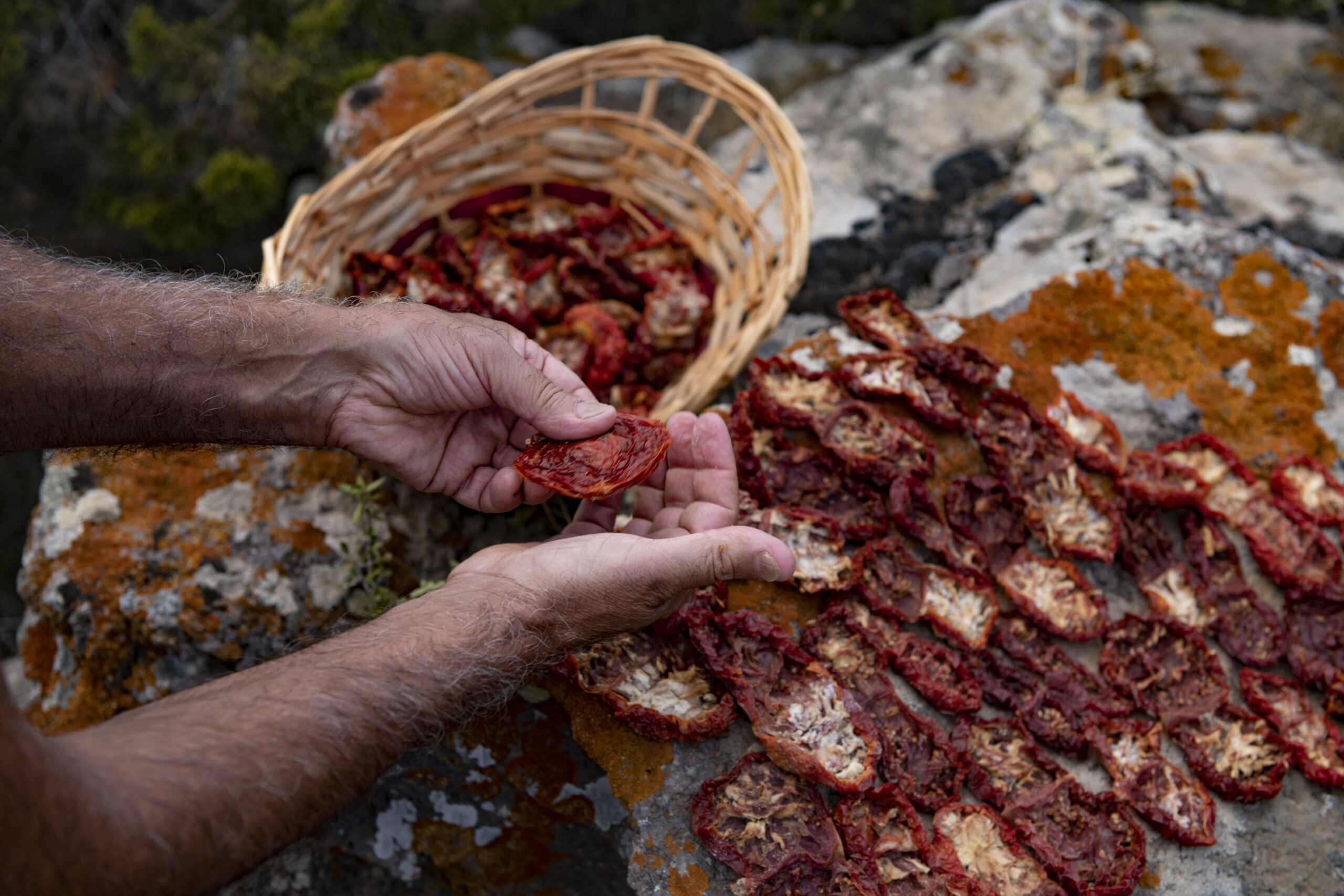
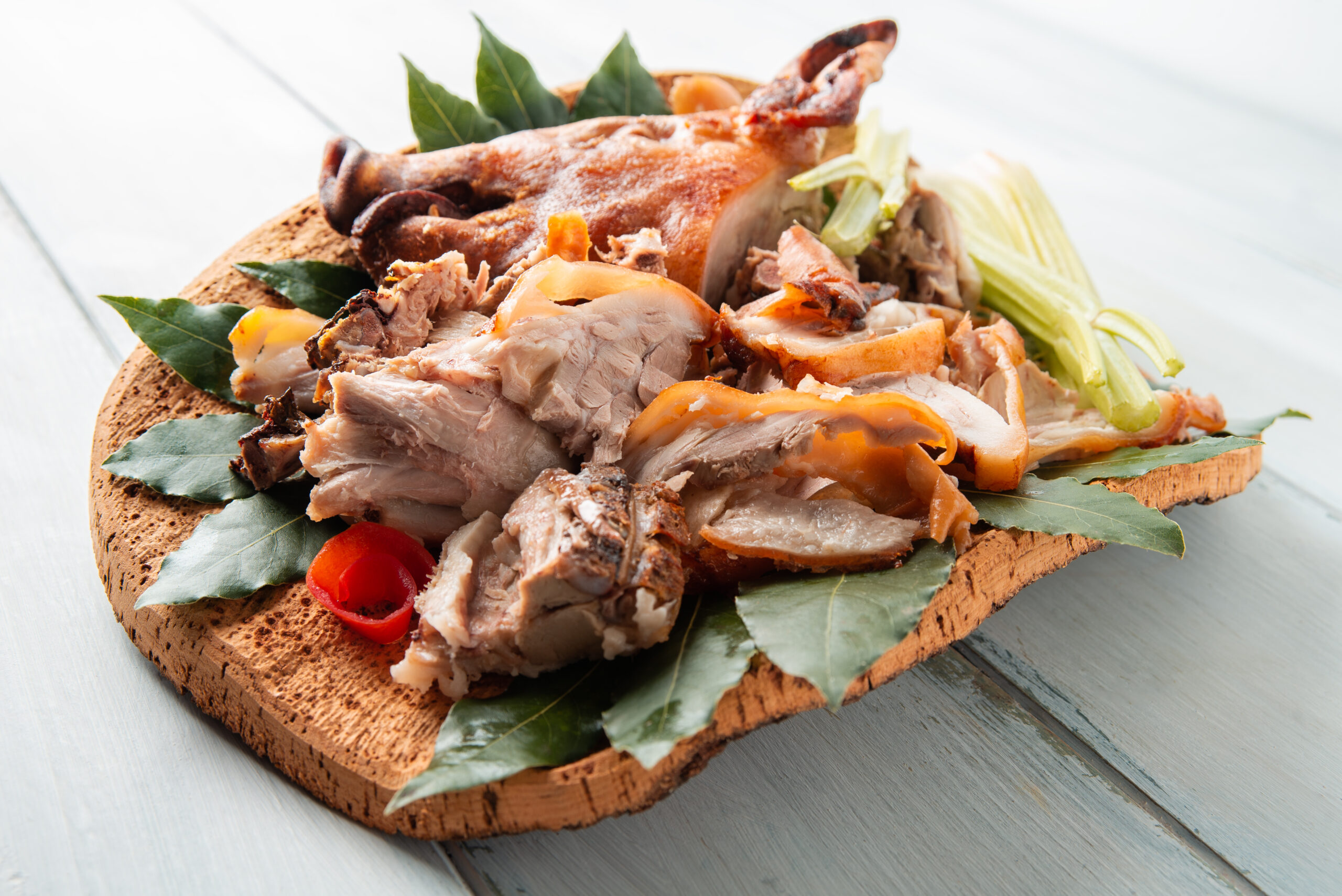
Carignano blends naturally with traditional Sardinian cuisine, especially with earthy dishes. Hors d'oeuvres based on cured meats, local cheeses - also accompanied by honey -, sott'oli and preserves find in this wine an ideal companion, capable of supporting the savouriness and richness of flavour. Rustic meat-based appetisers also benefit from the structure and smoothness of Carignano.
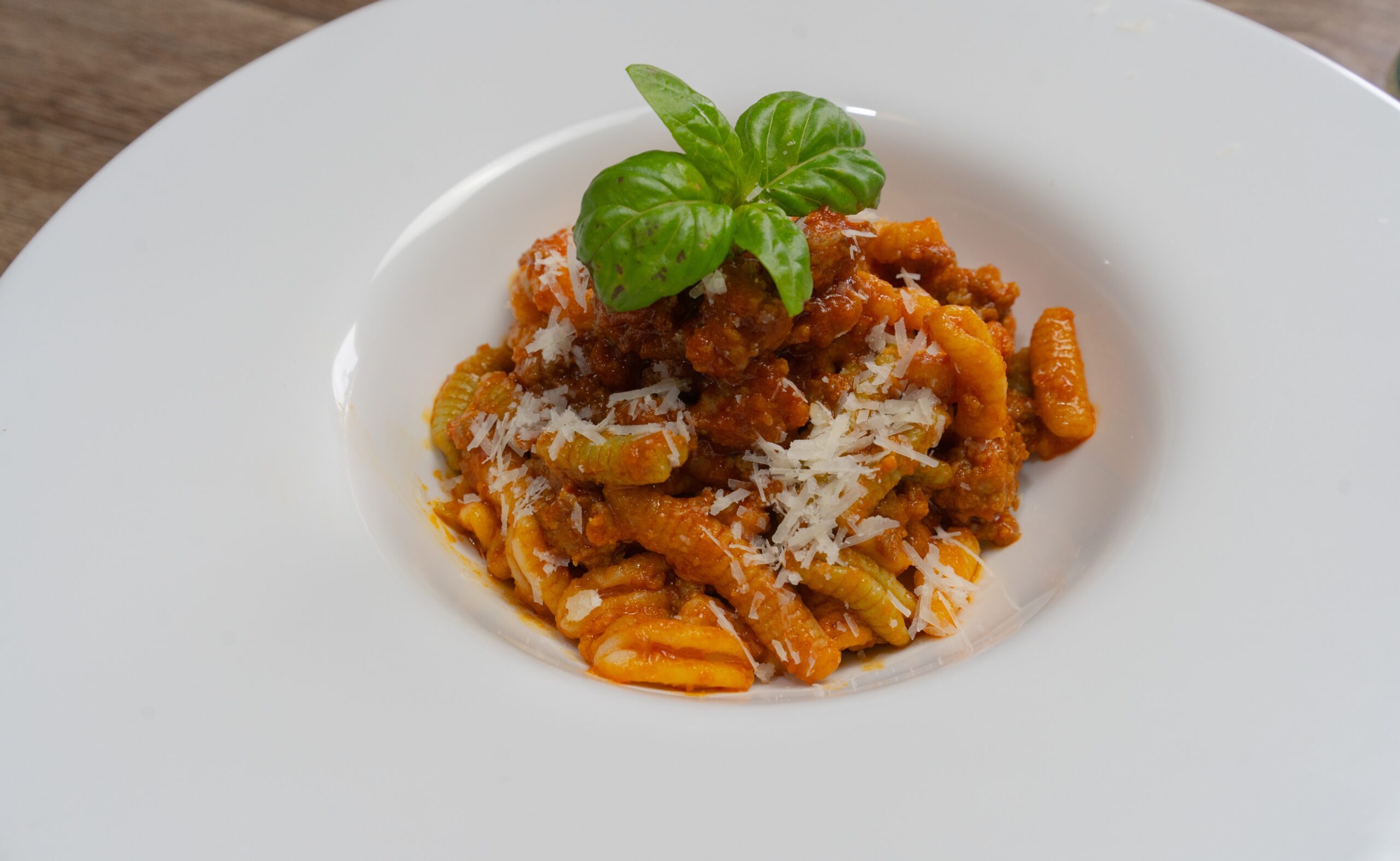
Among first courses, one of the most successful combinations is with Malloreddus alla Campidanese, thanks to the combination of tomato, sausage and pecorino cheese. Ravioli and pasta dishes dressed with intense red sauces also harmonise perfectly with the fuller-bodied versions of Carignano. Another typical dish that goes well with this wine is Pilau, prepared with shellfish: here the structure of the Carignano supports the complexity of the dish. It is preferable, however, to avoid dishes such as Nordic-style risottos, which require more delicate and less tannic wines.
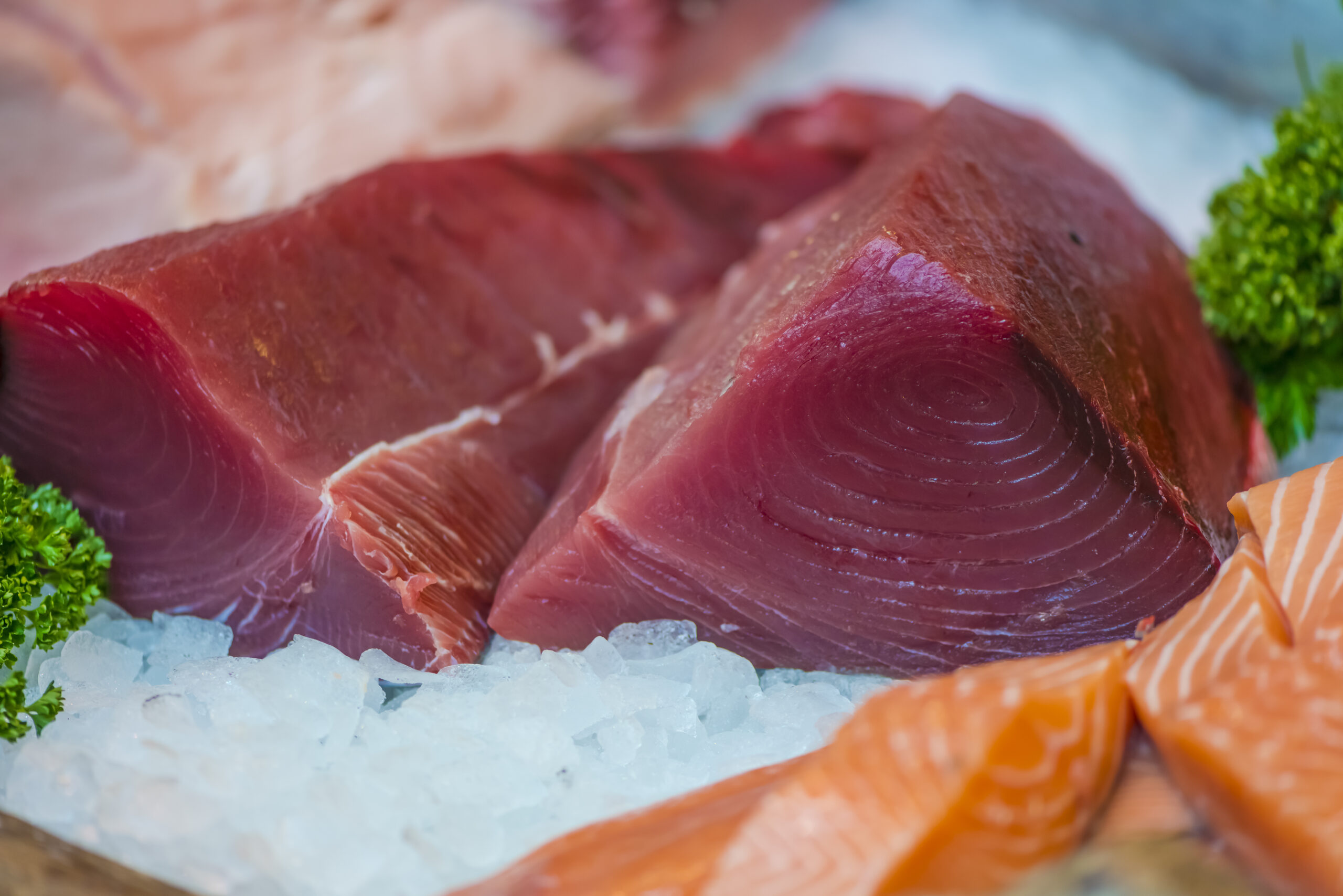
Moving on to main courses, all meats find in Carignano an accompaniment capable of enhancing their juiciness and structure. But surprisingly, some seafood dishes also go well with it, in particular local Corsican tuna. This is a fatty and tasty fish, almost comparable to a red meat in terms of intensity, which holds the structure of the wine without any problems. Fish soups, mackerel, monkfish and generally seafood dishes cooked with tomatoes also prove to be excellent pairing choices.
International pairings and fusion cuisine
Even outside the regional context, Carignano shows surprising versatility. Although it is not yet a widely known wine at international level, it lends itself successfully to pairings with dishes from very different culinary traditions. Its softness, combined with tannin that is never intrusive, makes it suitable for spicy, structured, meat or tomato dishes, even in an exotic or fusion style. Served slightly chilled in the summer months, Carignano can elegantly accompany informal dinners or more refined preparations. It should only be avoided with raw fish or overly delicate dishes, which would risk being overwhelmed. For everything else, it is a wine that knows how to surprise, even outside Sardinia.
Tessa Gelisio