A grape variety with a thousand nuances
Carignano del Sulcis is a grape variety capable of generating extremely complex wines, rich in nuances, and with a profoundly changing organoleptic profile. Its expressions vary considerably depending on many factors: type of planting, age of the vineyards, vinification method and refinement methods.
Espalier vines and ready-to-drink wines
One of the fundamental aspects to consider concerns the type of planting and the production area. In the area delimited by the specifications for Carignano del Sulcis, the vines are mostly espalier-trained, irrigated and grafted onto American vines. These vines produce wines that are ready to drink, with a strongly fruity profile, particularly oriented towards red berries, good structure but limited tannicity. These wines are ideal for young consumption, expressing the varietal freshness of Carignano with immediacy.
The uniqueness of the vineyards of Sant'Antioco: the free-range wines
The Cantine Sardus Pater, a historic cooperative winery based in Sant'Antioco, has for some time been pursuing a policy of selecting and enhancing grapes from the island, distinguishing them from those harvested in the rest of Sulcis. In Sant'Antioco, in fact, the vineyards are barefoot and non-irrigated, elements that strongly affect the quality of the grapes.
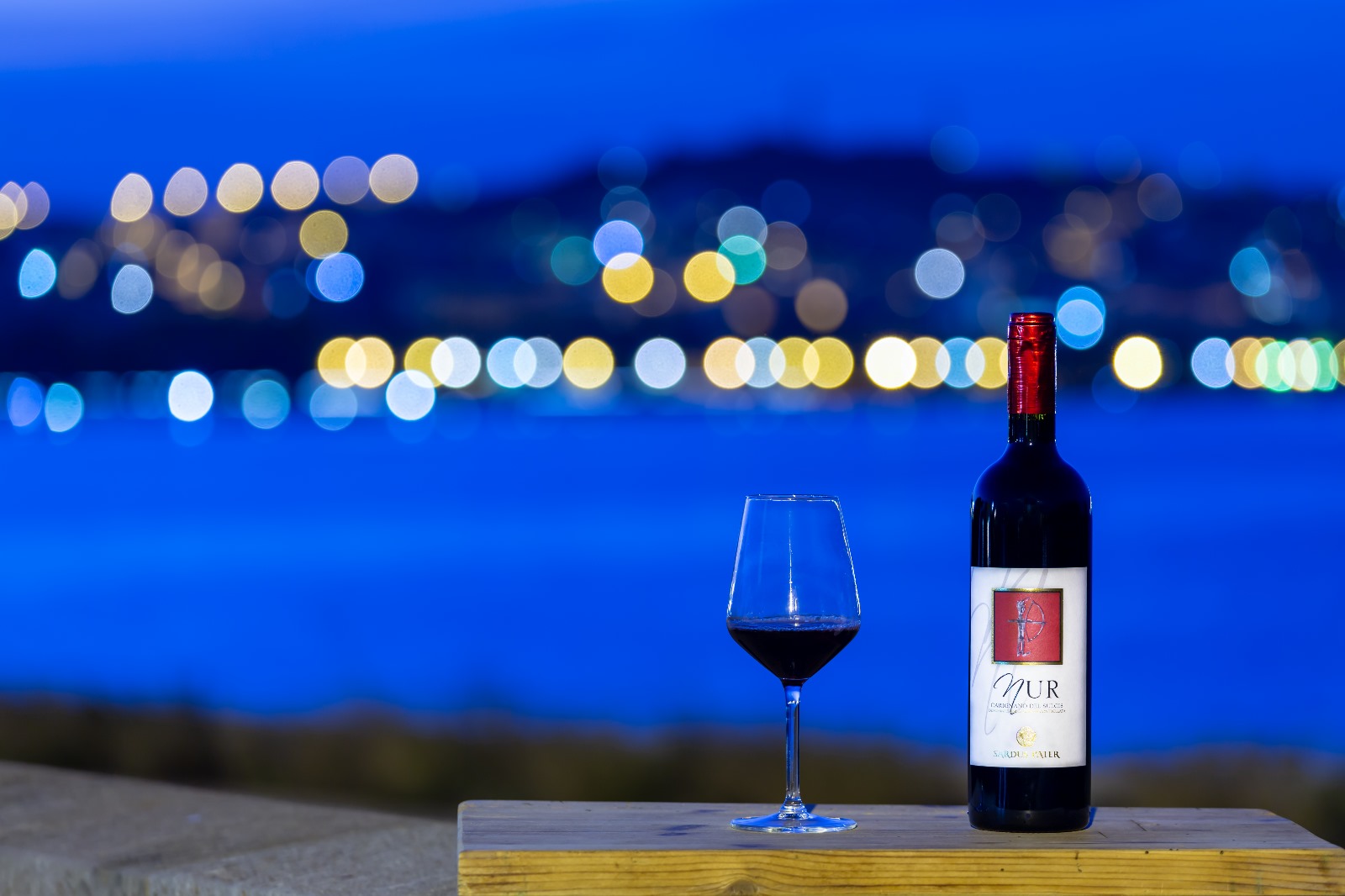
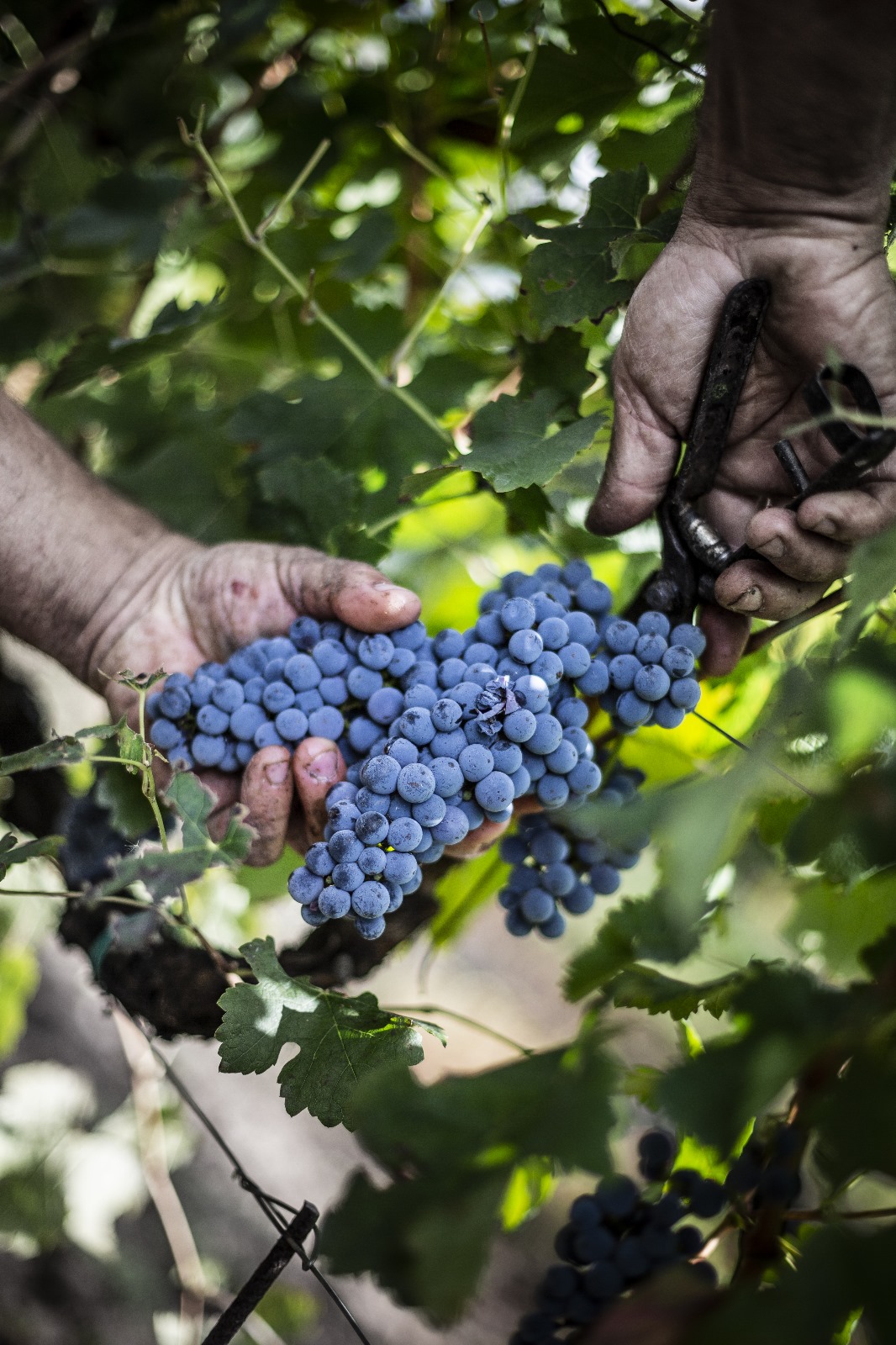
The free-range vines, which are often a hundred years old, produce more concentrated grapes with a higher polyphenol content, from which wines with a significant body, vigorous tannins and great aromatic complexity are produced. Even the youngest free-range vineyards produce wines of intense ruby colour, with aromas of slightly dried red fruit and notes of Mediterranean scrub, especially juniper and liquorice. In the mouth, the taste is full and engaging, with a still young tannin that needs time to evolve. A significant example of this is the 'Nur', which is aged for a year in steel precisely to soften this natural tannicity without affecting its freshness.
Older vines and more complex ageing
As the age of the vineyards increases, so does the concentration of the grapes and, consequently, the complexity of the wines, which require longer and more focused ageing times and methods.
The winery's 'Is Arenas', Carignano del Sulcis Riserva, is made from grapes from vineyards over 70 years old on the island of Sant'Antioco. The wine is aged for two years, one in 225-litre French oak barriques and one in the bottle. This refinement gives the wine spicy notes and a marked olfactory intensity: dried red fruits, plum, juniper, myrtle and liquorice, accompanied by vanilla hints from the wood. In the mouth, the tannins become riper and more elegant, while maintaining strength and length in the finish.
"Arruga': the excellence of Carignano del Sulcis Superiore
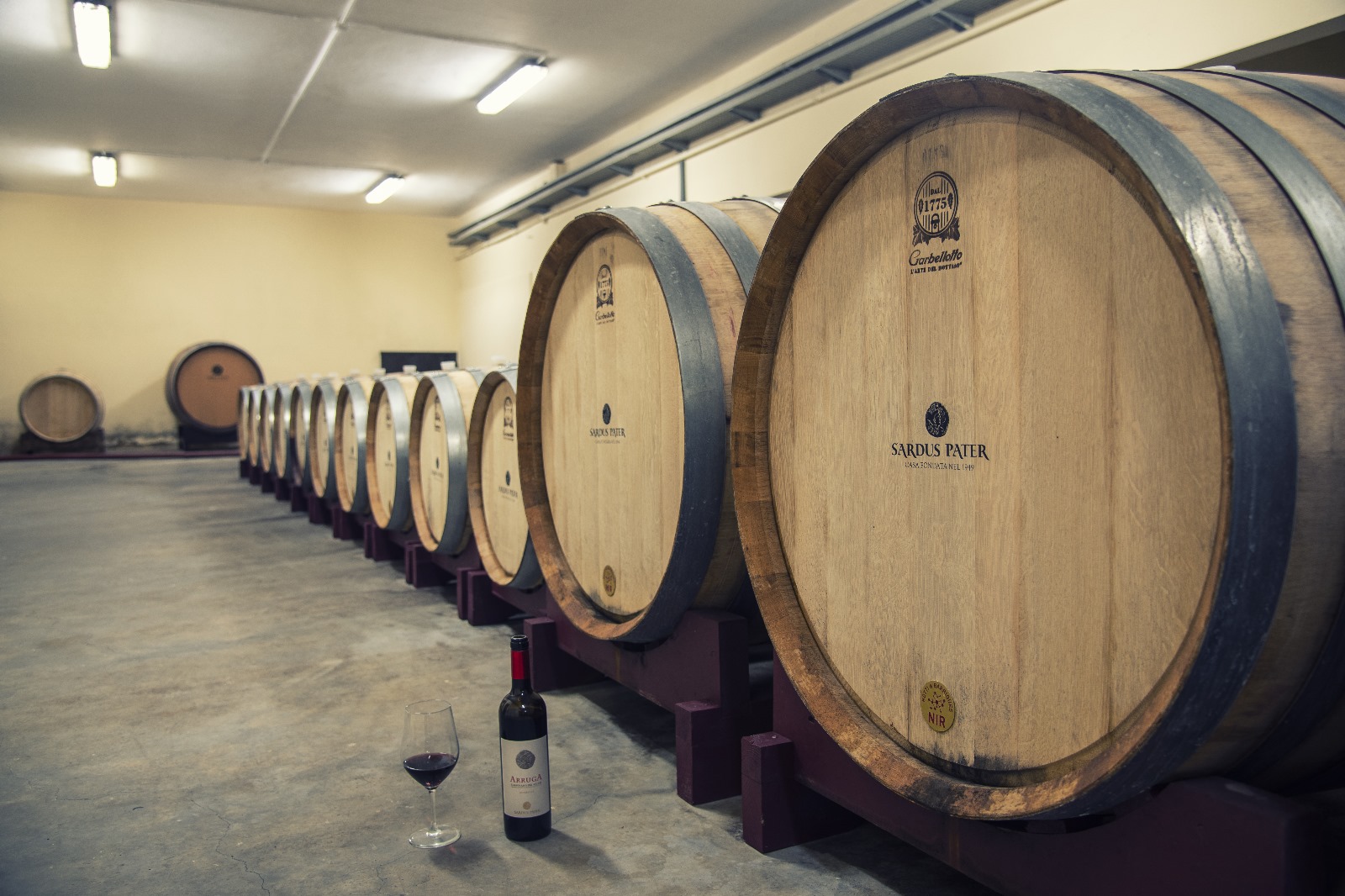
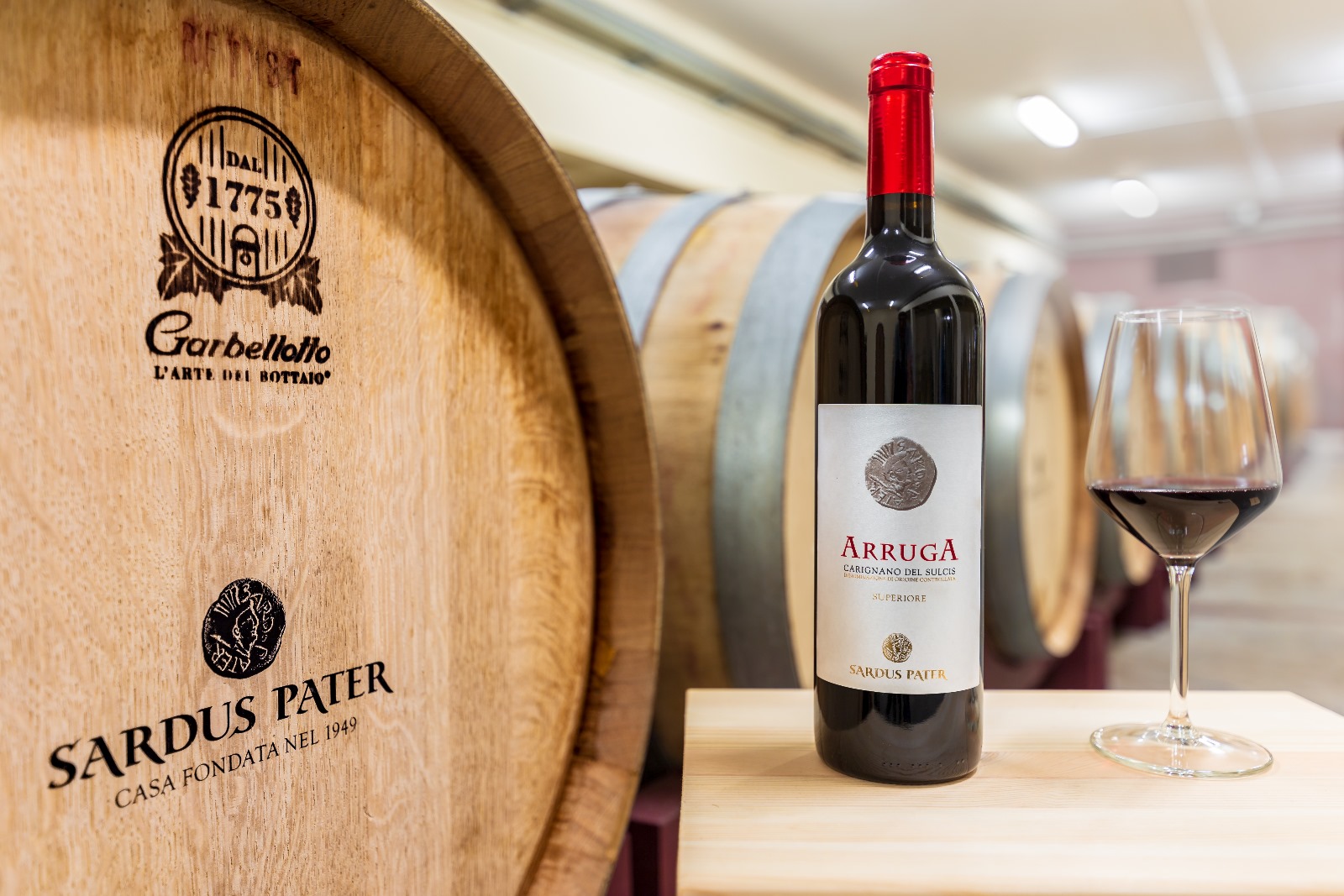
The quality summit of the company is represented by the Carignano del Sulcis Superiore 'Arruga', an extreme selection of the finest grapes from the island's oldest free-range vineyards. It is aged for three years, including 18 months in 500-litre tonneaux and 18 months in the bottle. The use of the tonneau, which has a smaller contact surface area than the barrique, allows for a slower but deeper evolution, which leaves room for greater expressiveness of the vine.
The result is a wine with an intense ruby colour with garnet hues, which on the nose offers a complex and harmonious bouquet: withering red fruits, ripe plums, Mediterranean bush, juniper, liquorice, myrtle, with elegant hints of honey, vanilla and undergrowth. The wood, in this case, does not dominate, but accompanies and enhances the aromatic profile. In the mouth, the wine is velvety, enveloping, with smooth and noble tannins, a structured body and a marked savouriness. The finish is very long, with balsamic and spicy returns.
One grape variety, multiple identities
Despite possessing a well-defined varietal identity, Carignano del Sulcis demonstrates, through these examples, an astonishing versatility, capable of strongly and authentically reflecting its host territory.
Giovanni Salidu