When passion and determination meet, extraordinary stories are born
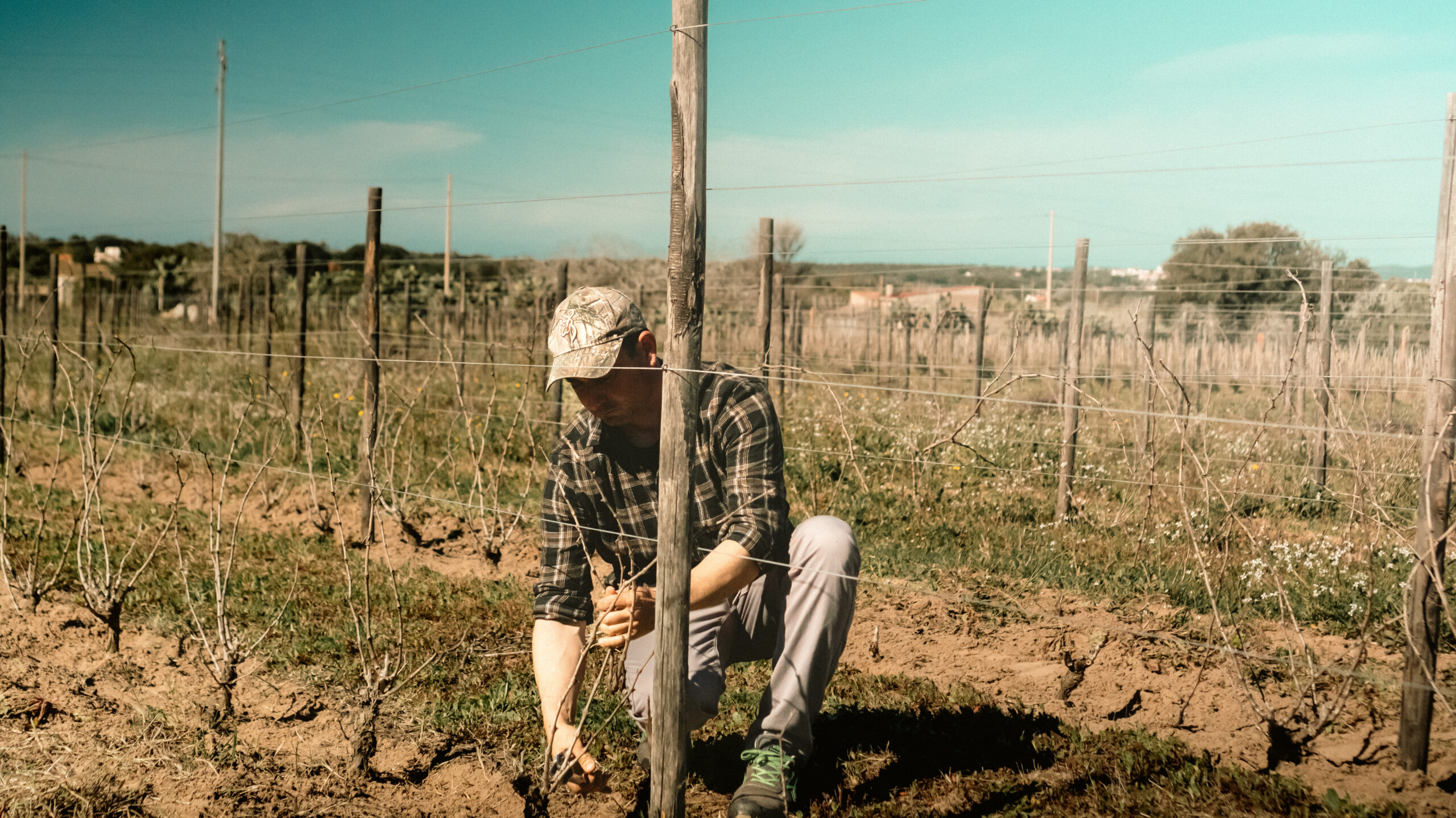
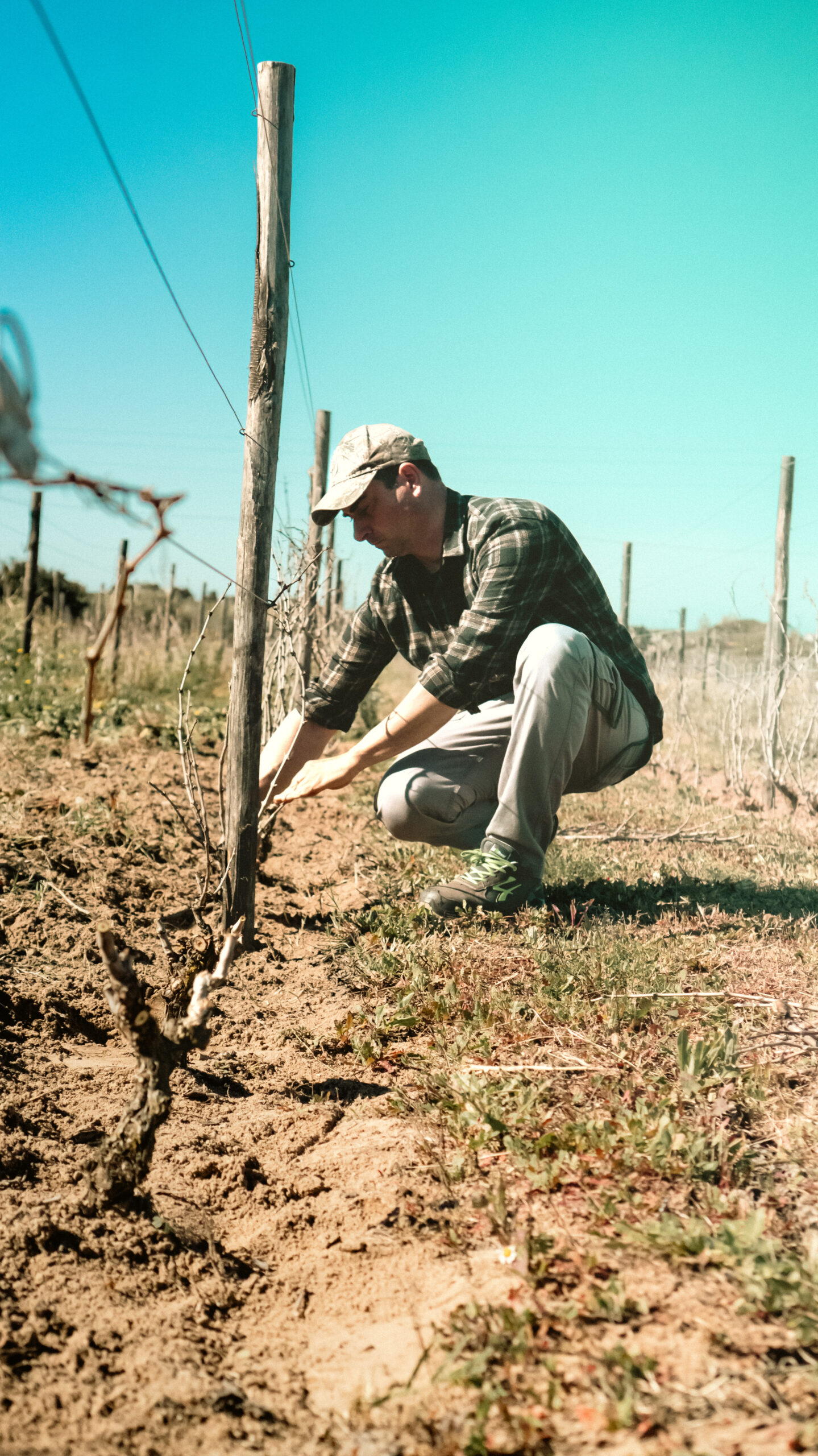
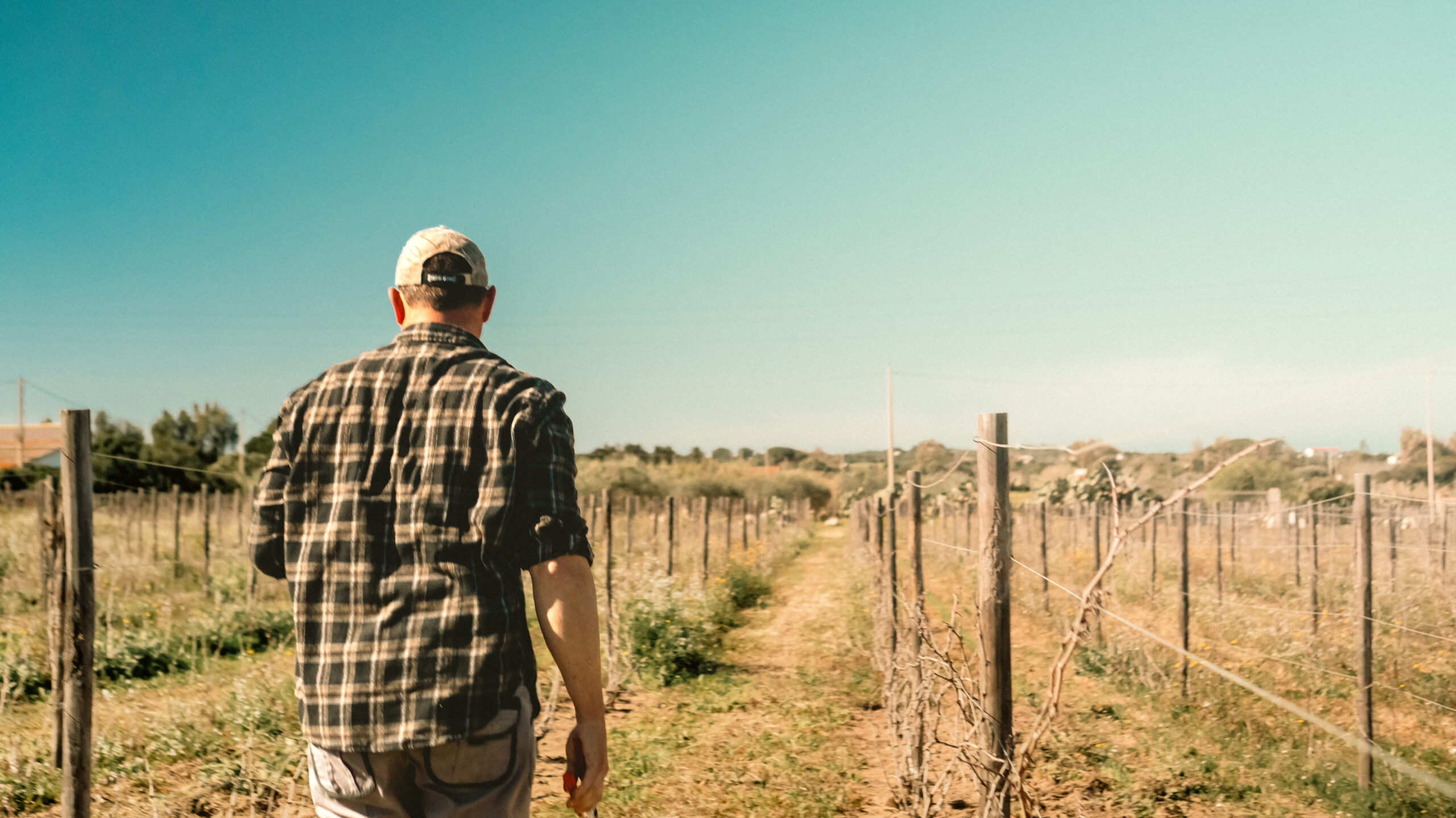
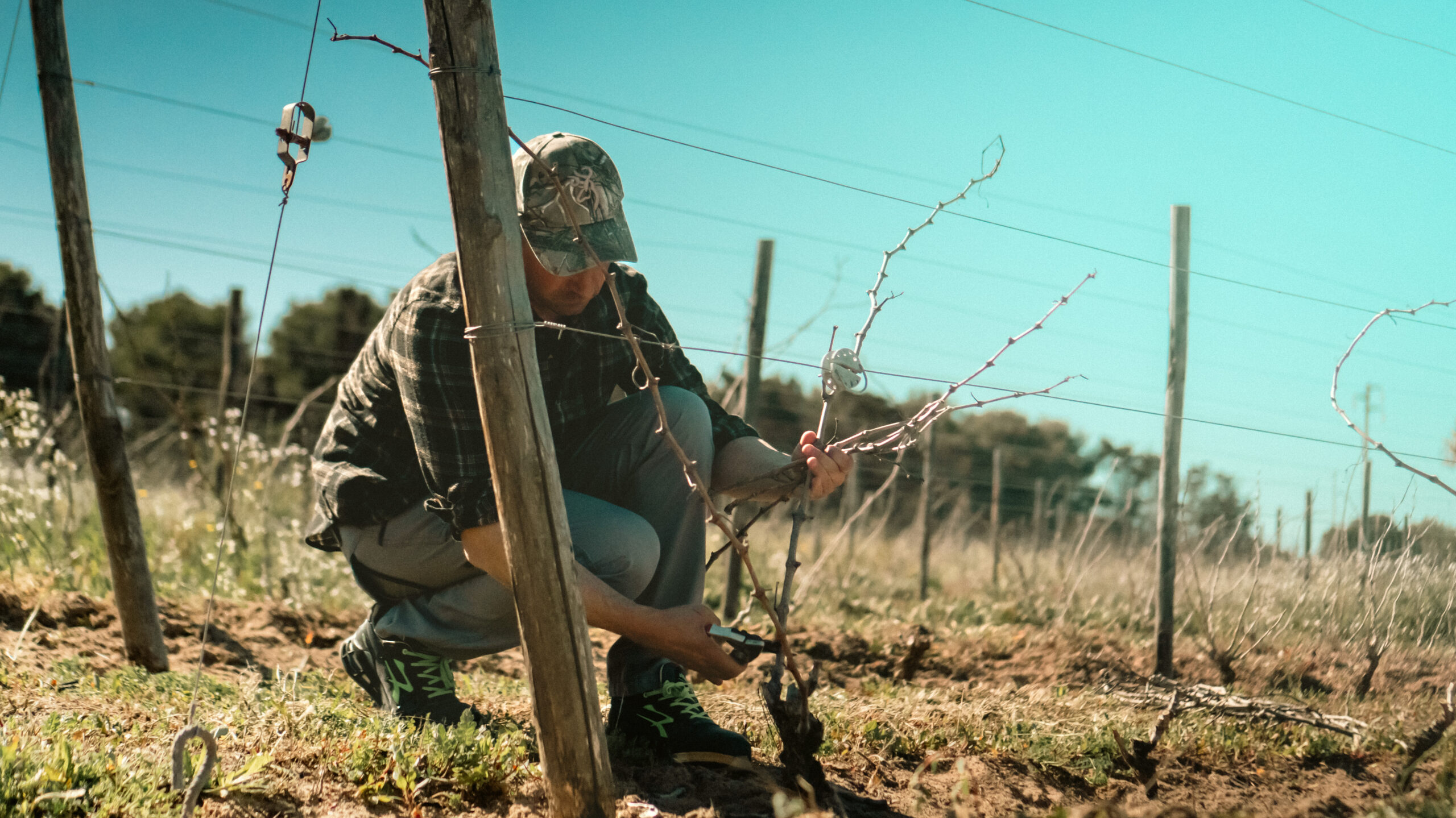
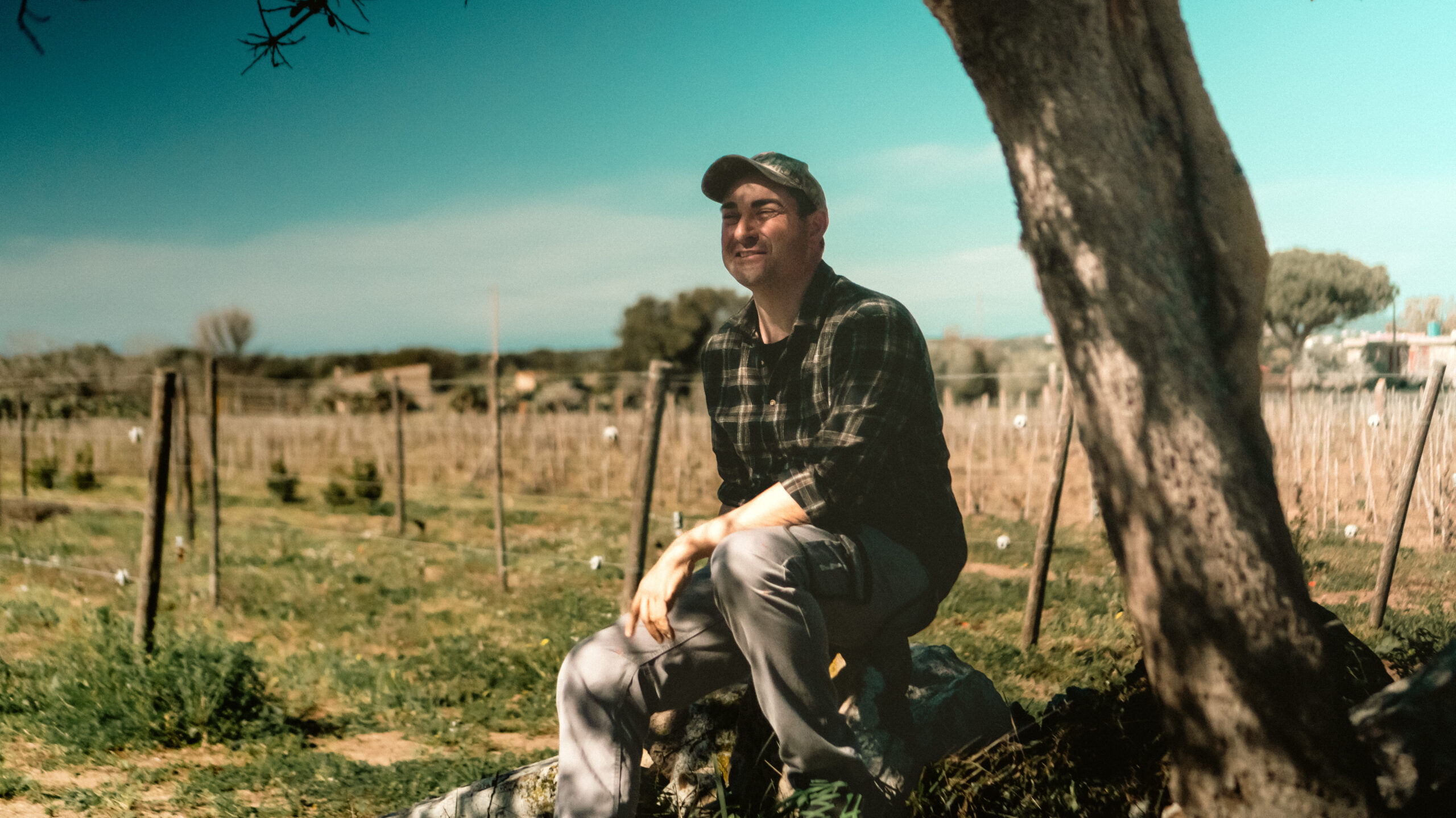
This is the case of Roberto Matzeufounder of the Azienda Agricola Piede Franco, who turned the recovery of abandoned vineyards on the island of Sant'Antioco into a real life mission. Today, his company is one of the most important in the area, with a focus on tradition and innovation.
Presentation
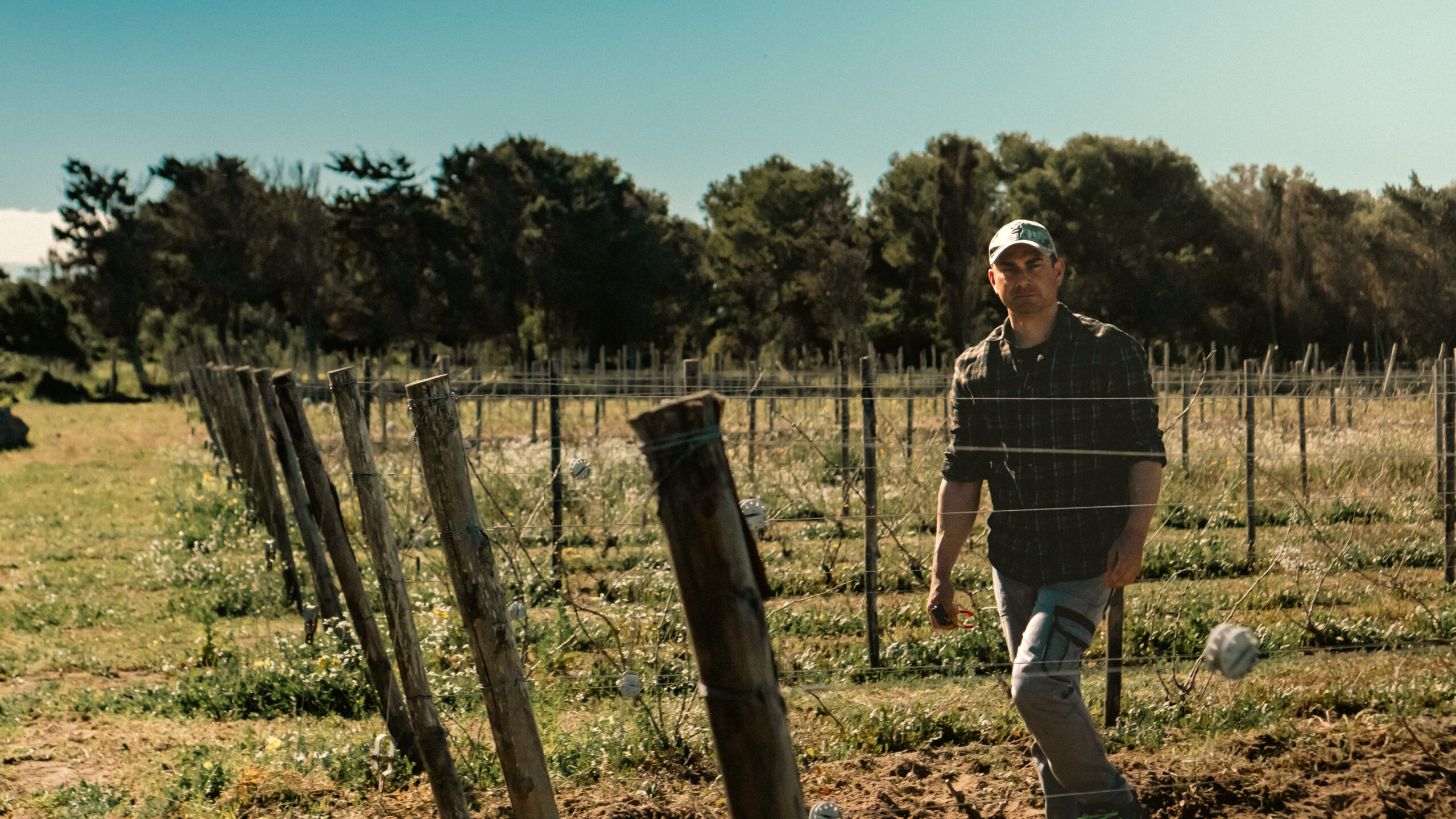
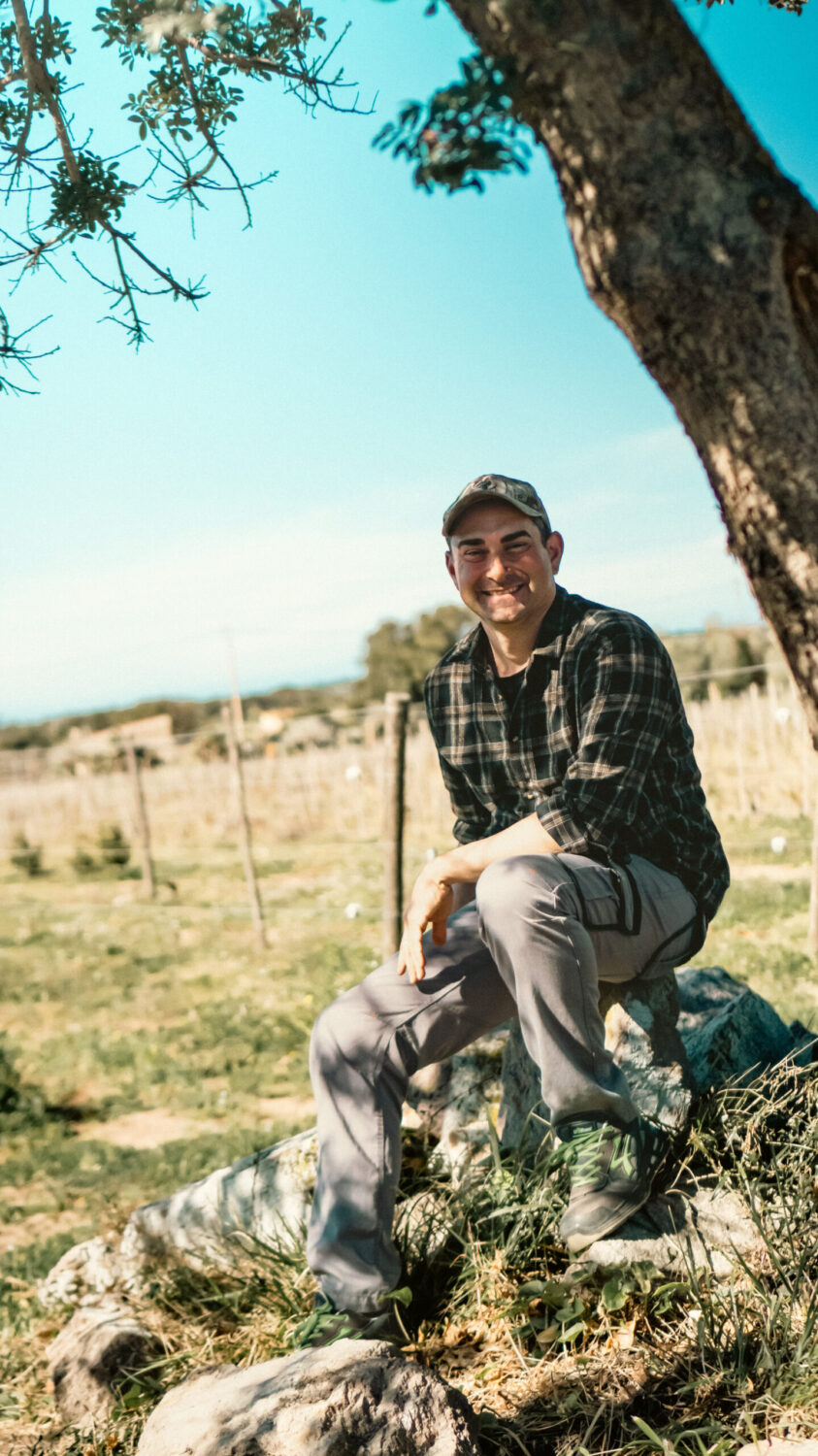
"My name is Roberto Matzeu and I am the owner of Azienda Agricola Piede Franco.
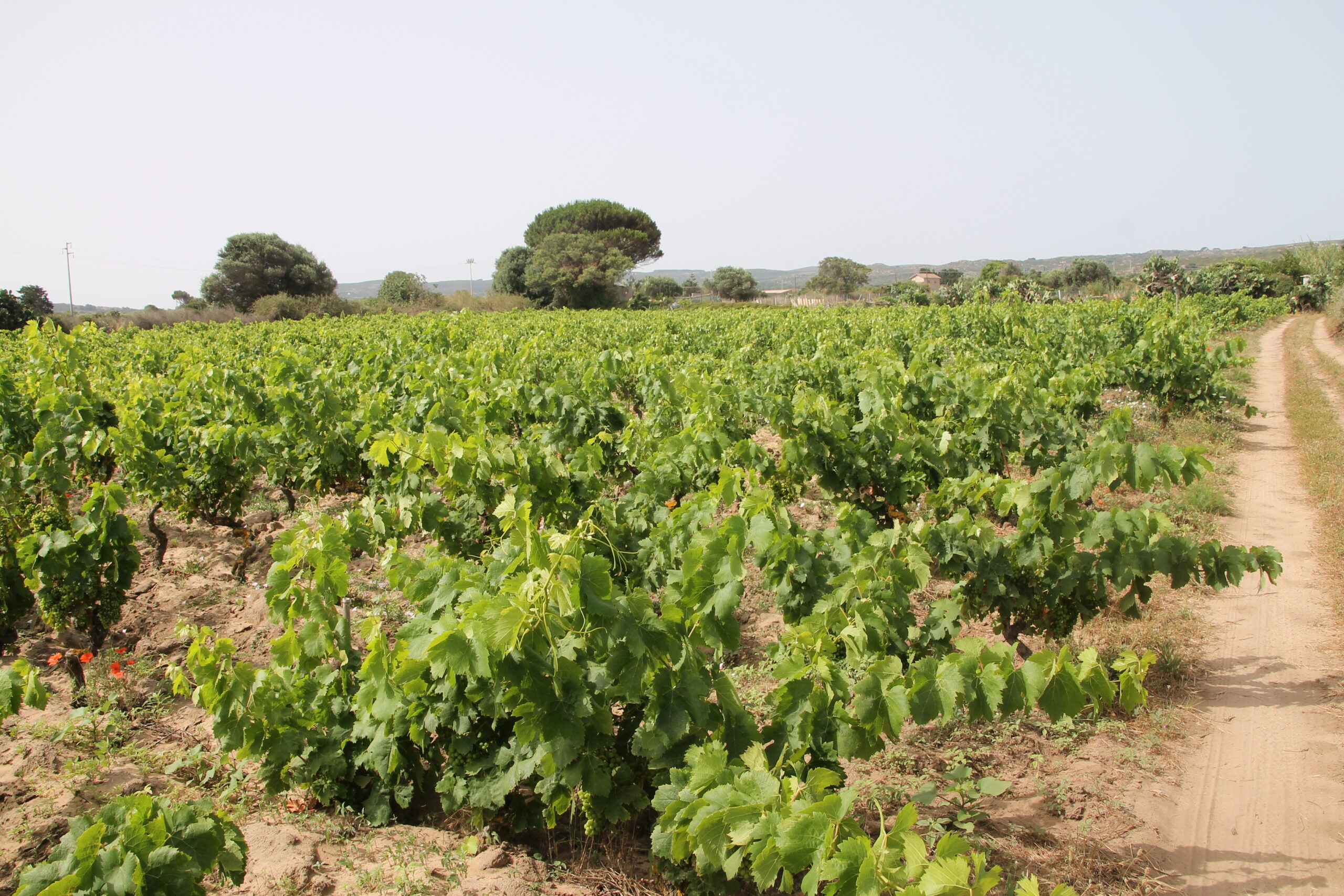
Today, the company is one of the largest on the island of Sant'Antioco, given the approximately 5 hectares of land under vine, most of which is planted with Carignano and piede Franco. They are, therefore, historic vineyards that have escaped abandonment and that I personally have been recovering for 15 years now'.
Tell us about your activity
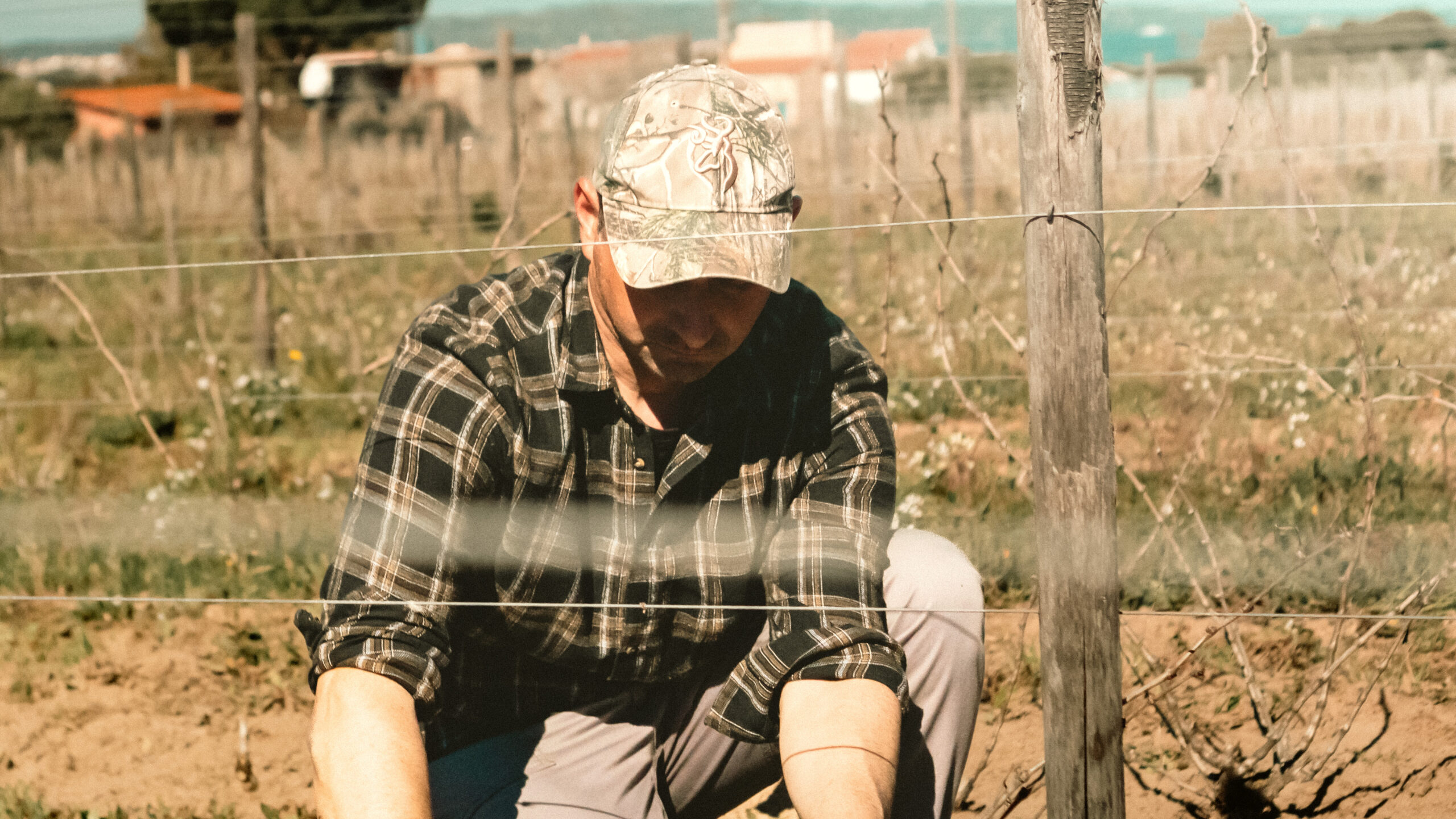
"I started around 2005 as an enthusiast of vineyard restoration and recovery. From there, I realised it was the right path for my future work and consequently I continued. I was doing something else in life: I was studying engineering. So, the sector was totally different.
Then, playfully and with a mix of luck perhaps, in 2013 I was named best winegrower in Italy in the under-35 category, thanks to a special project presented on the recovery of abandoned historical vineyards. From there, my career was born. I was noticed by the Cantina Sardus Pater, a local winery that believed in me, and assigned me an important job: that of wine technician and laboratory technician.
In 2015, the Azienda Agricola Piede Franco was physically born, and from there, hectares and hectares grew every year until a structured company was built.
Starting in 2019, the winery began its winemaking project with its two references, Bellesa and Perdularju, with the future ambition of doing something bigger as a winery, then building my own winery."
What is the philosophy and/or values that inspired your project?
"It all stemmed from the desire not to see this territory abandoned, helped by the fact that I was perfectly aware that, where you look now, there used to be vineyards. From the moment I became aware of the more negative side of abandonment on the island, this input was born. I can assure you that in the beginning it was also difficult to have abandoned vineyards on loan, on rent or otherwise under management. It was in fact preferable, in the mentality of the time, to keep them abandoned rather than give them up and snatch them from certain death. That is why I started this journey: my own company is called Azienda Agricola Piede Franco because the project was precisely to protect this historical heritage.
Today, 20 years later, we realise that we had something very important on our hands that must be protected and is worth protecting, because it is a source of work for so many and can create an economy. Not least, it is what we are going to build behind these activities. I didn't just focus on the traditional part, so I didn't just want to run the vineyards as they were, because nowadays you also have to make income from this work and you have to project yourself into the future. So, by making a few improvements and going to work better, we have reached 2025 while keeping some principles rooted in tradition, so as not to upset a very important territory. That's why, when we make the new plantings, we almost always try to look carefully at what has always been done traditionally, to ensure that the management and quality of the grapes that we are going to produce still have a continuous thread with what are the historical ways, despite the fact that we are dealing with young vineyards."
Historical changes
"Today's biggest challenge is not dictated by what I would personally like to achieve, but is to be able to produce and continue to maintain the quality of the grapes that are produced in these vineyards, while clashing with what is climate change, because we are encountering situations that are becoming increasingly harsh at the production level. For example, the drought in recent years is becoming really heavy, and even for the vines, which for centuries have been raised in a dry regime, therefore without any help from artificial irrigation, suffering is beginning. Fortunately, there are some tricks that we can put in place, also provided by science: anti-stress products, zeolites and other products that allow us to have a very natural and non-chemical approach, to try to soothe and help the plants during the phase of greatest production. Fortunately, these are hardy plants that are used to these fairly extreme situations and this makes it easier for us. However, it is becoming complicated to produce: production yields are down and often if you are not careful it becomes unprofitable, if not negative, to produce in these situations because it is more of an expense than a gain. But it is a challenge to continue and try to carry on, balancing everything."
Positive and negative aspects
"The good thing is that I do a job that I love and, as they say, if you do a job that you love, the job weighs less on you.
The downside, on the other hand, is that we work outdoors, so when it rains, when it's cold and when it's hot. This is part of the game, like the handicaps of any job. But it's what I wanted to do so I'm happy and I try to do it the best I can. Some bad days will always be there but there are also many happy ones. It's what I've always dreamed of doing and what I'm doing.
Vineyard-related childhood memories
"A childhood memory is linked to our grandparents, when the grape harvest was experienced as a feast and when there would be a table set under the tree waiting for the end of the half-day working day to eat all together. These are customs that have been somewhat lost, but which were part of that deep-rooted tradition and culture that no one forbids us to recreate in the right way and perhaps make the working part more enjoyable because then there would be that convivial and playful activity, which in any case in my opinion is the most important part of this work. Wine, the world of wine is aggregation and union and that is the ultimate goal in my opinion of this work. My only regret is not having been able to experience grandparenting as an adult because I would have liked to show them what I am doing today. It would have been more beautiful and more interesting."