Listen to the sound of the sunset and the west wind. The legacy of our past tells a story of rites and beliefs linked to the passage into the afterlife: majestic structures or underground tunnels tell of social and individual memories immortalised for eternity. A sunset of the soul that prepares us for a new rebirth.
STAGE 1
Necropolis
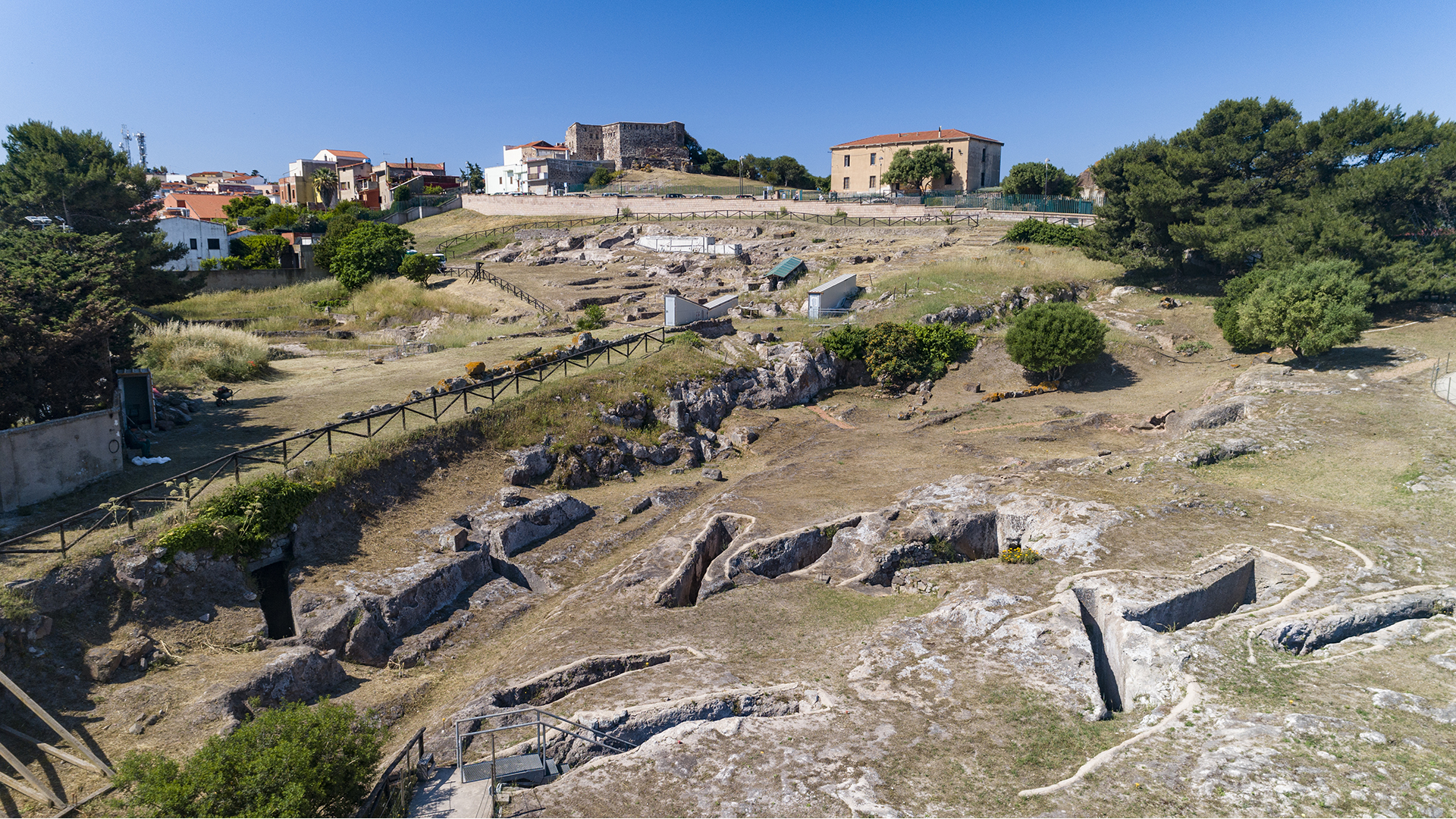
An archaeological jewel located on the eastern slopes of the hill now occupied by the Savoy fort of Su Pisu, the Punic Necropolis spreads out below the historic centre of Sant'Antioco, in a complex underground composition that defines the city's thousand-year history.
Location: Via Castello, Loc. Is Pirixeddus
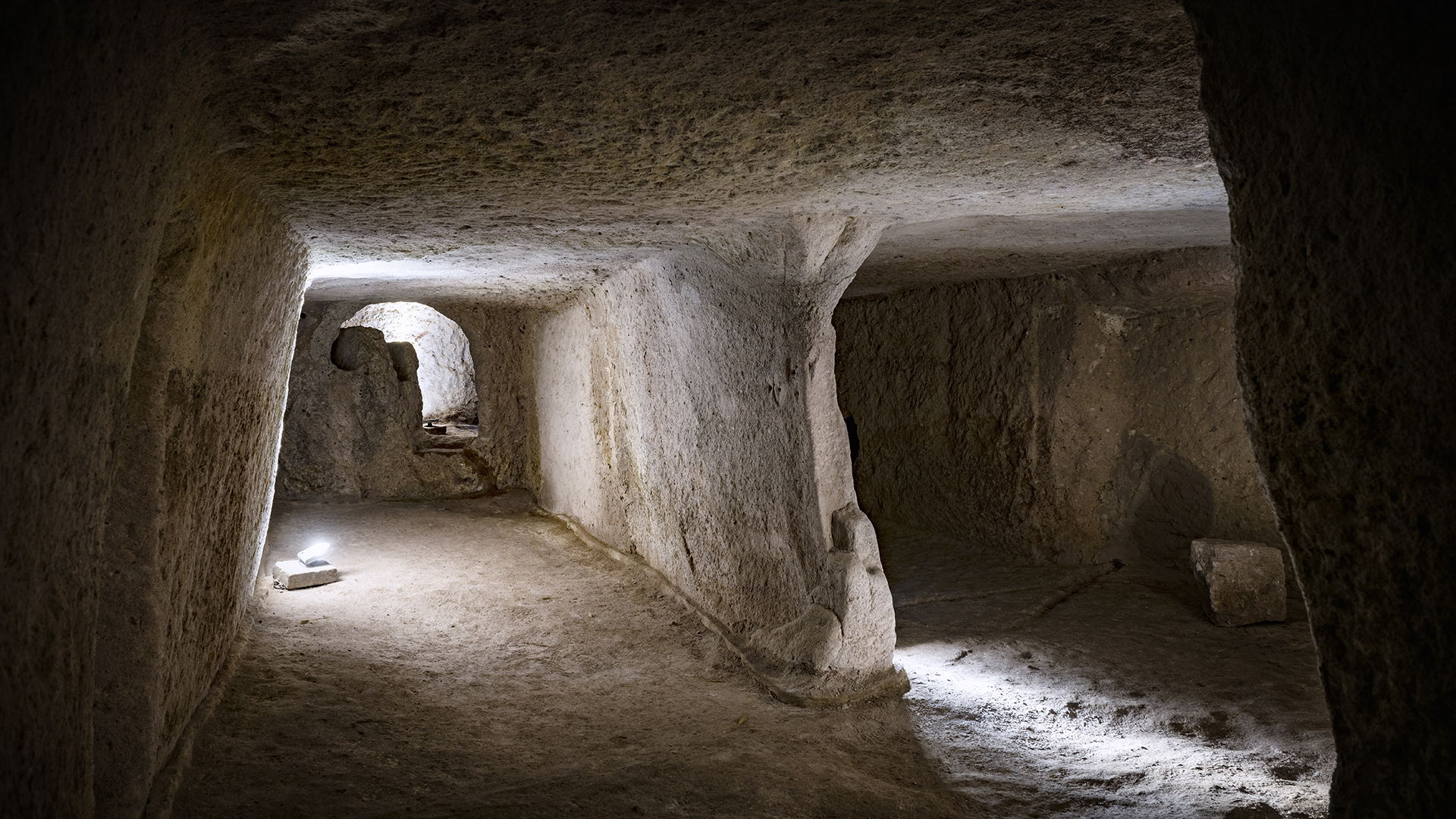
The burial rites of the dead in ancient civilisations have great fascination in the eyes of archaeology enthusiasts but also the merely curious. For this reason, in 2021, the reopening of the Punic Necropolis after 23 years of being closed to the public aroused considerable interest and strong participation on the part of visitors to the Sant'Antioco Historical Archaeological Park. The Necropolis is the place where the ancient Punic inhabitants of Sulky buried their dead in an area that, at the time, was located outside the inhabited centre and whose tombs were excavated on a rocky hill, as was typical in the Punic period also in centres such as Carthage, Cagliari or Tharros. What we know today, and can partly visit, are the spaces dedicated to death that the inhabitants of Sulky/Sulci built between the end of the 6th century and around the 3rd century B.C., but the area also bears evidence of the funerary use of the sector in Roman times and, of the hypogea themselves, in Late Antiquity.
Listen to the podcast

Each tool and object has its traditional name in the Sardinian language: for example, 'sa scifedda', a large earthenware bowl used to knead bread or prepare 'sa fregula', the traditional Sardinian pasta that you can enjoy in our restaurants, or 'sa prencia', the grape press with its unmistakable sound.
A large area is dedicated to Carignano del Sulcis, the traditional wine of this area, where all the utensils that were used to grow vines and make wine can be found.
The Necropolis originally extended over about 10 hectares and, considering that, on average, each tomb occupied forty square metres, the number of hypogea must have been about one thousand five hundred.
Unique in its kind, the Punic Necropolis of Sulky is an immense underground cemetery that hosts the burials of family groups, laid to rest inside the tombs in accordance with precise ritual codes and evocative ceremonial customs. A visit to the Punic Necropolis is a not-to-be-missed experience, unique and enthralling to learn about the city's thousand-year history.
STAGE 2
Basilica and Catacombs
The Basilica of St Antiochus Martyr and the Catacombs are the place where faith, devotion and culture meet. It is a place that tells the story of the Saint who came from the sea, the story of Antiochus, a doctor of bodies and souls, originally from Mauritania, who, with his incessant preaching, is said to have founded the first Christian community in the area and later became the Patron Saint of the whole of Sardinia.
Location: Parish Square, 22
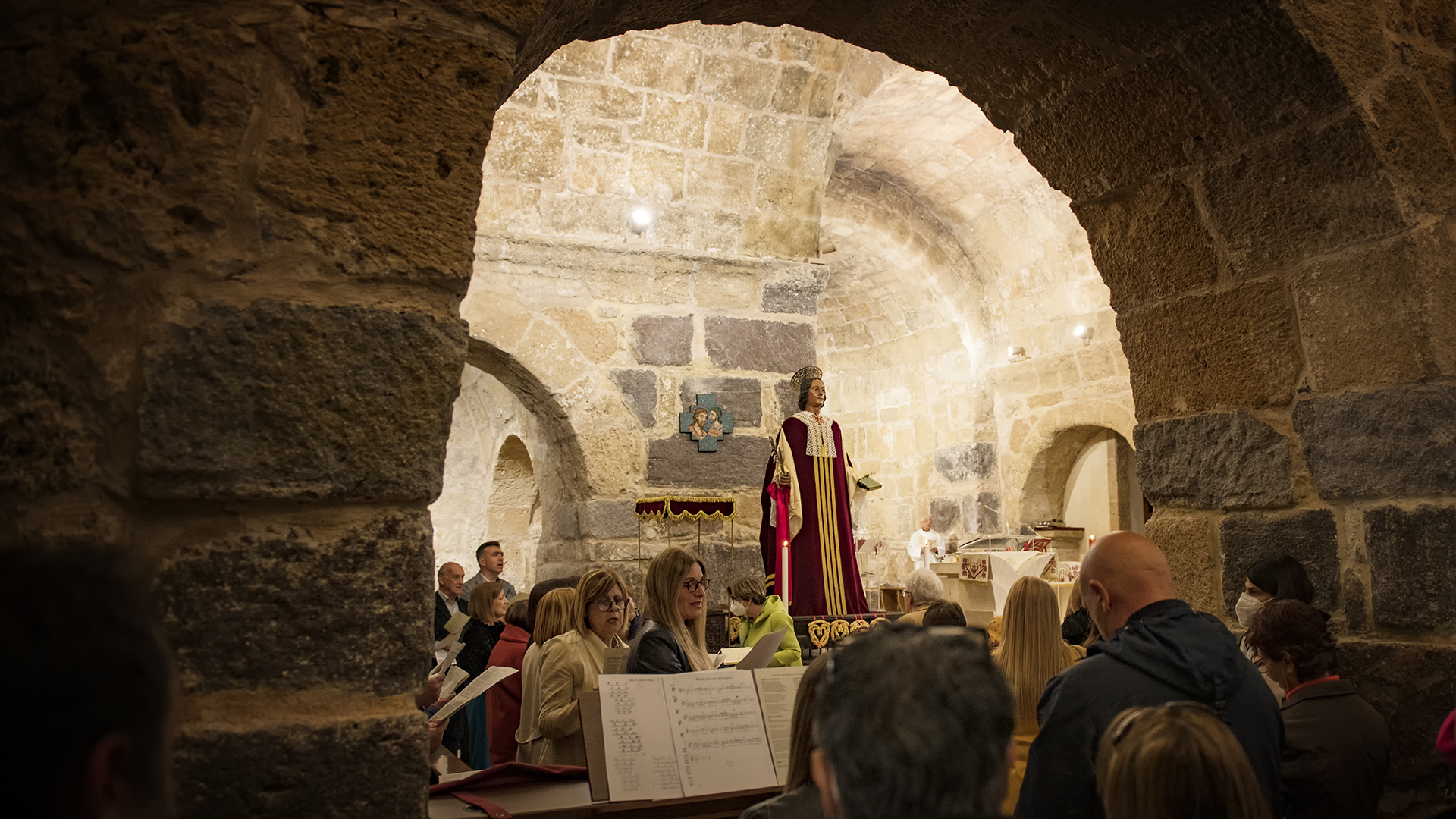
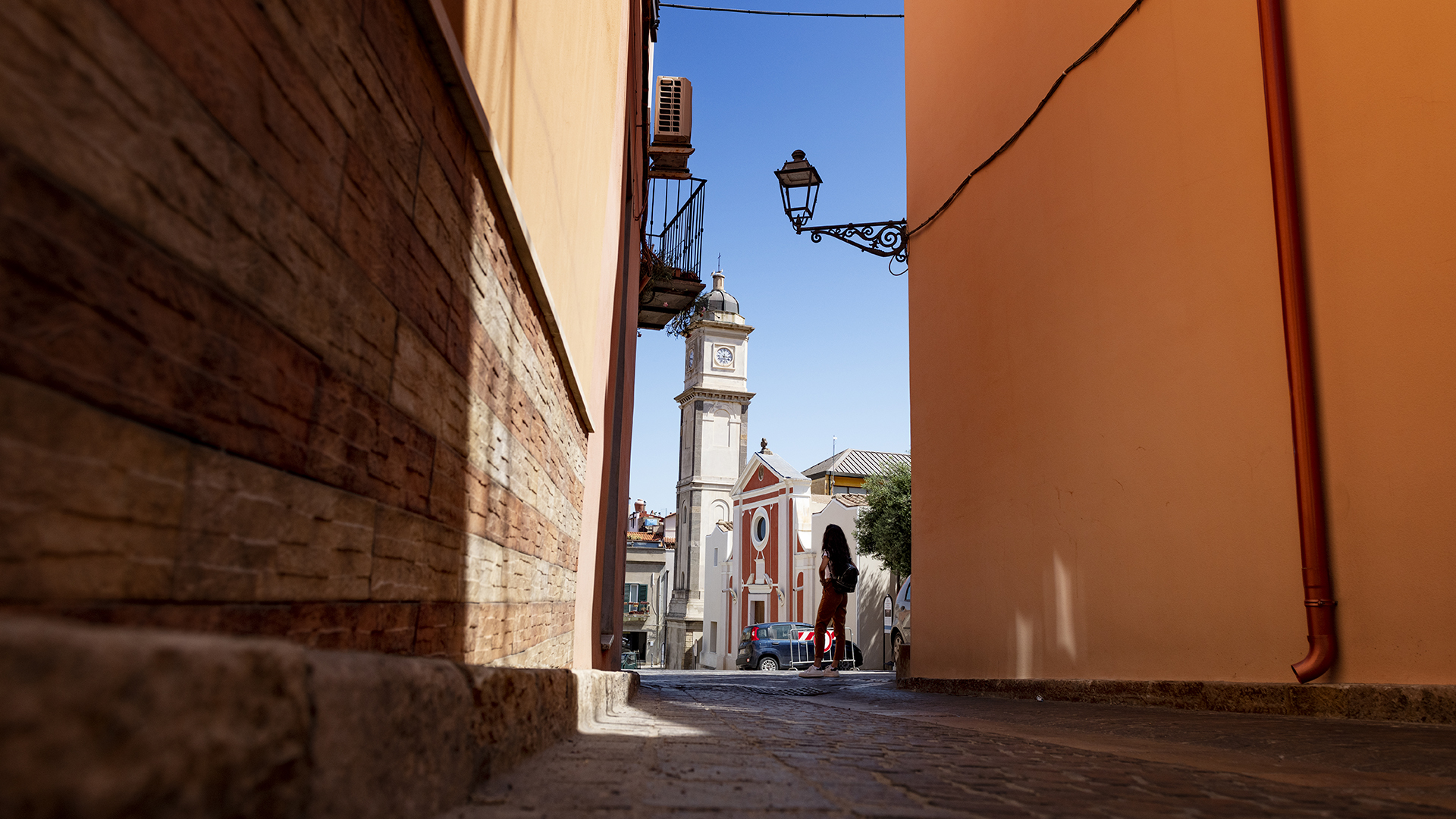
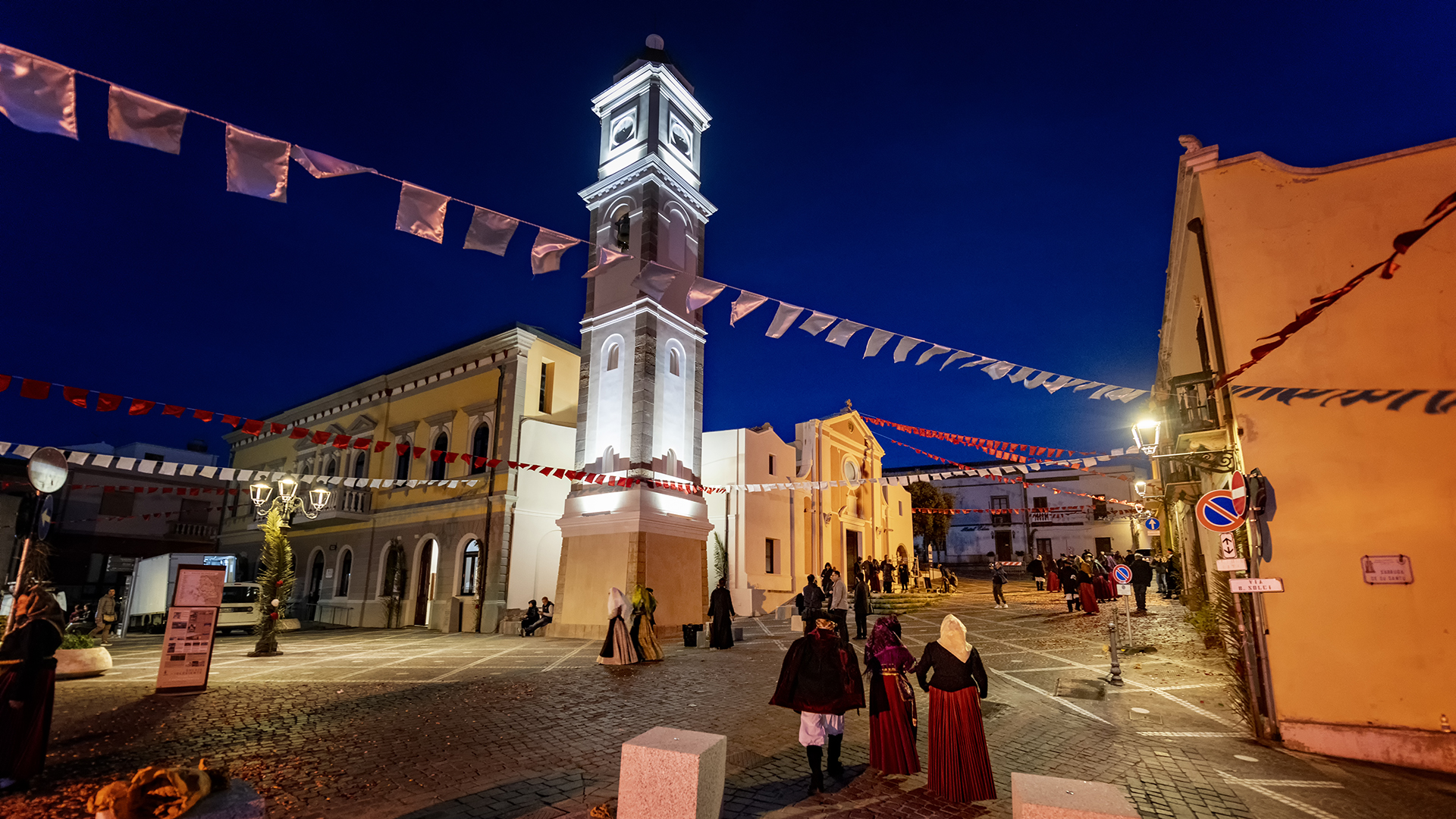
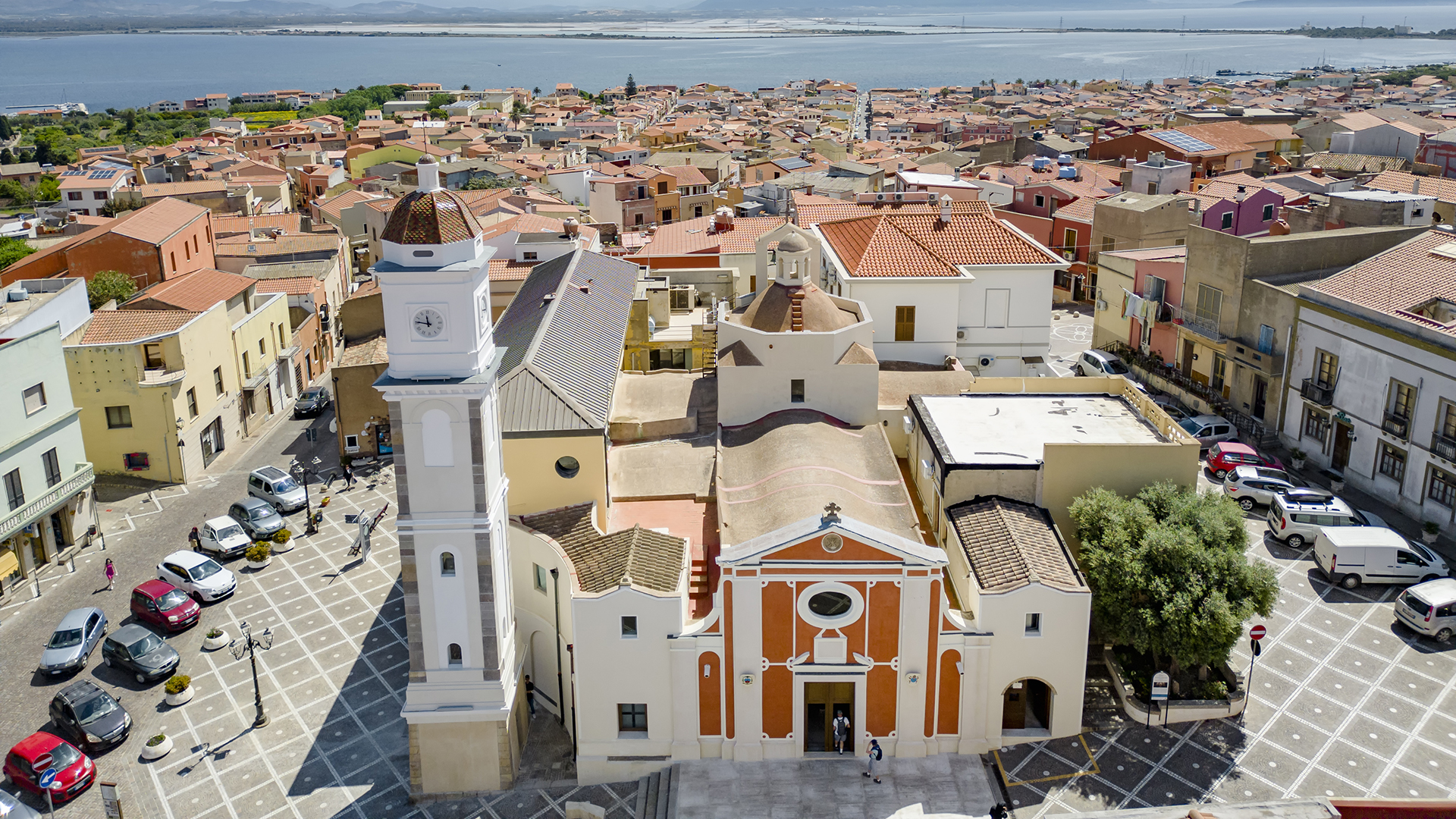
Located in the heart of the city's historic centre, the Basilica of St Antiochus Martyr, which rises imposingly over the Saint's tomb, is one of the oldest monuments of Byzantine origin in Sardinia. Erected around the 5th century B.C. and the first bishop's seat in Sulcis Iglesiente, the Basilica is the fulcrum of the celebrations in honour of Sardinia's patron saint in the three traditional appointments held throughout the year, during which the devotion of the many faithful to Antiochus is renewed.
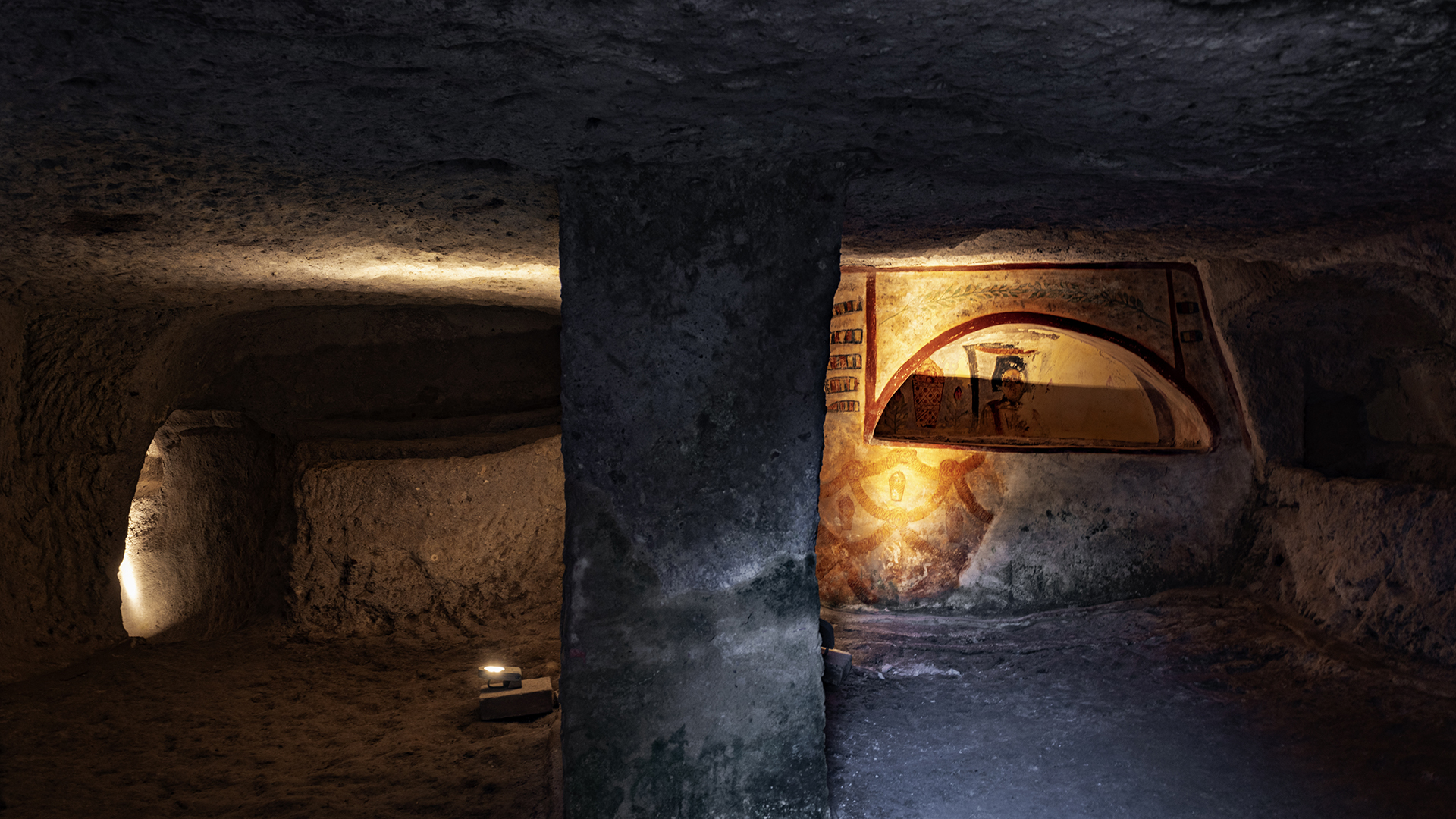
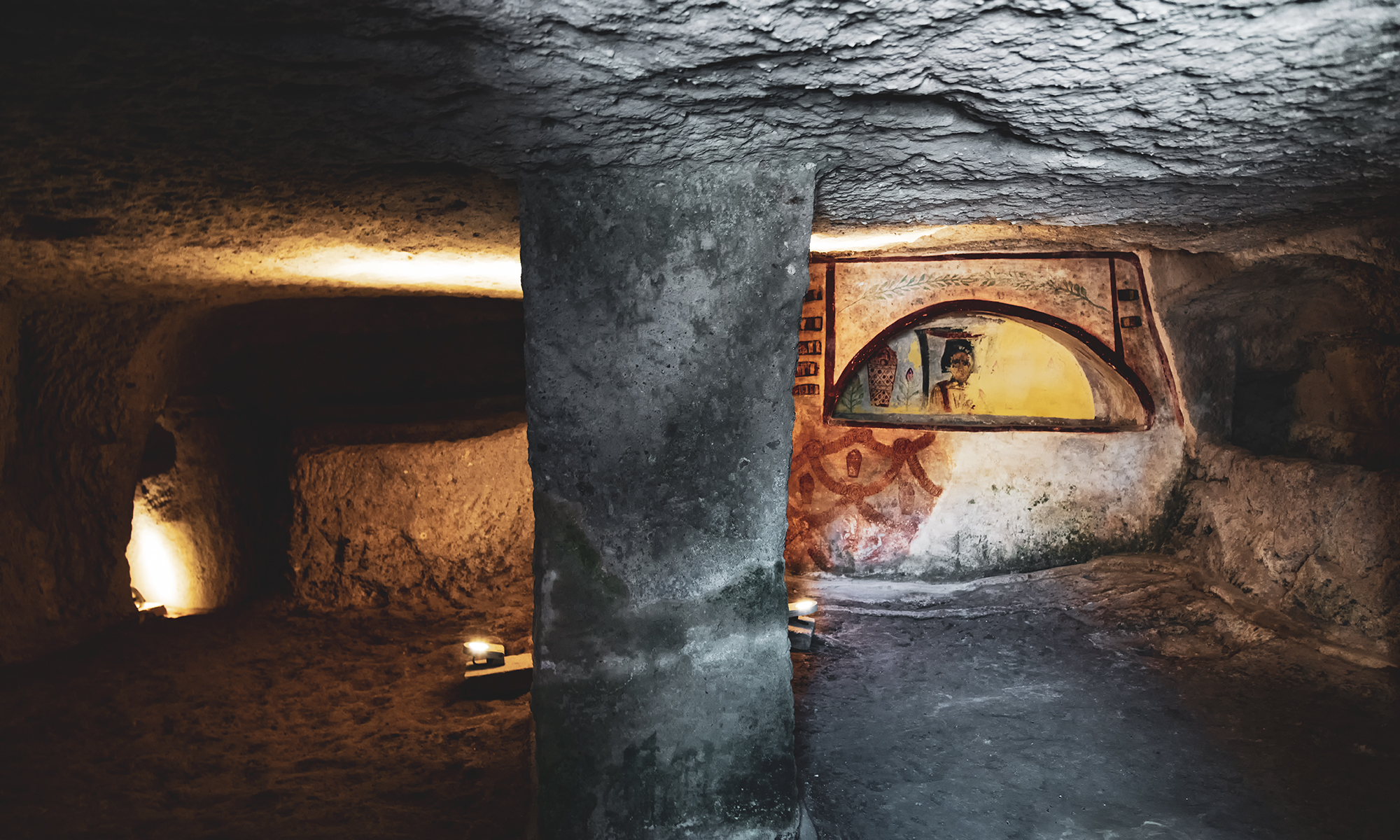
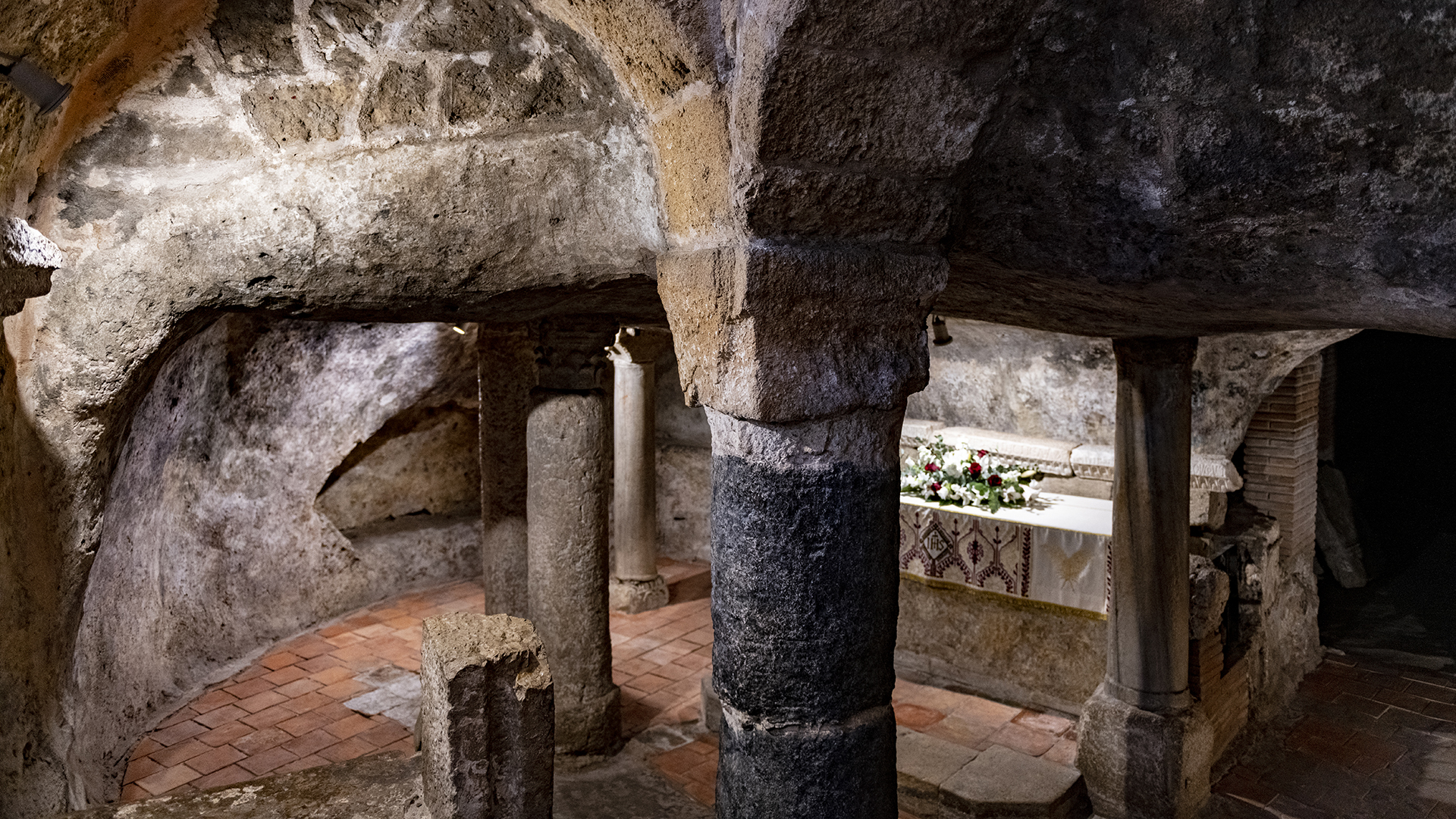
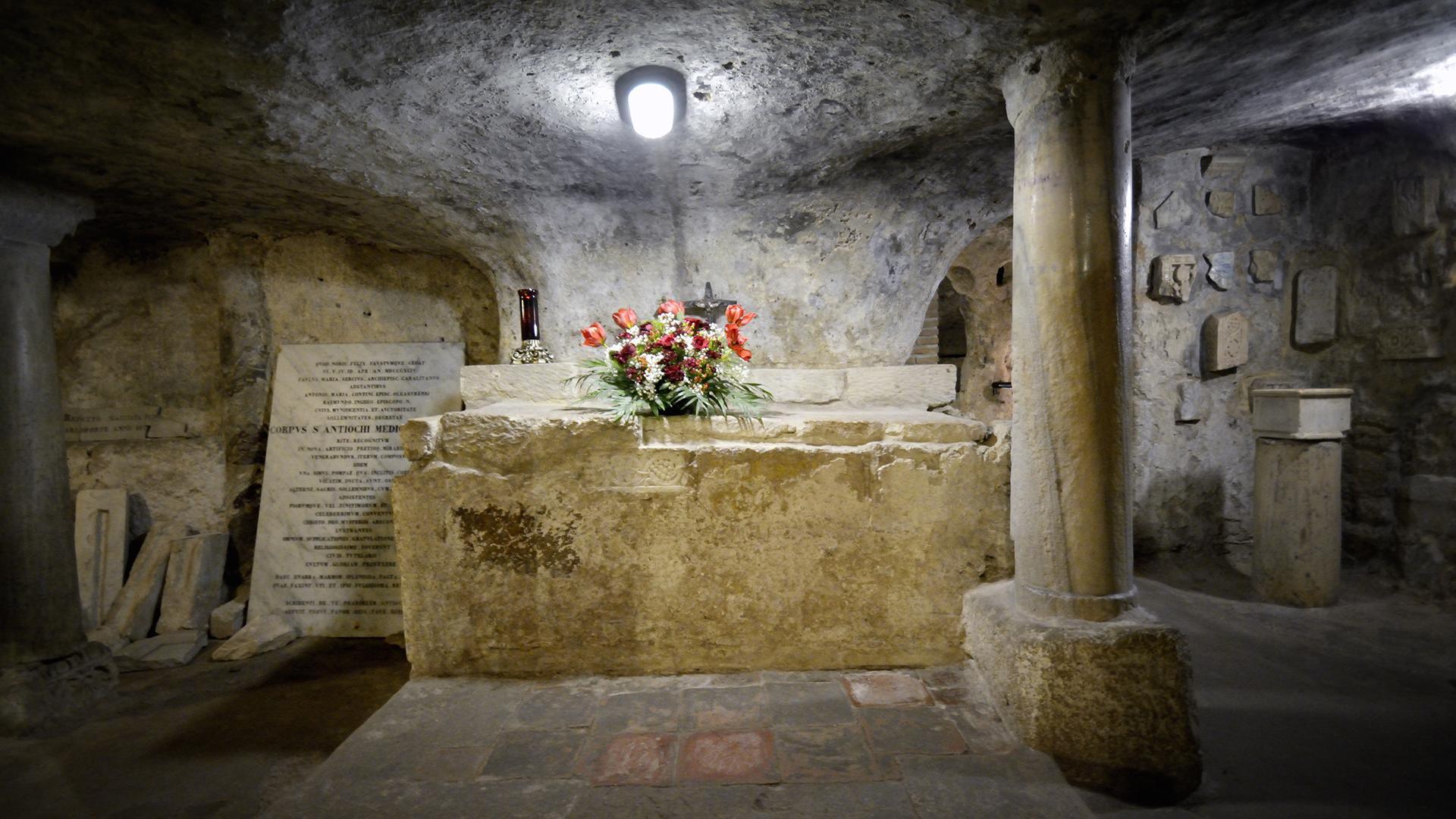
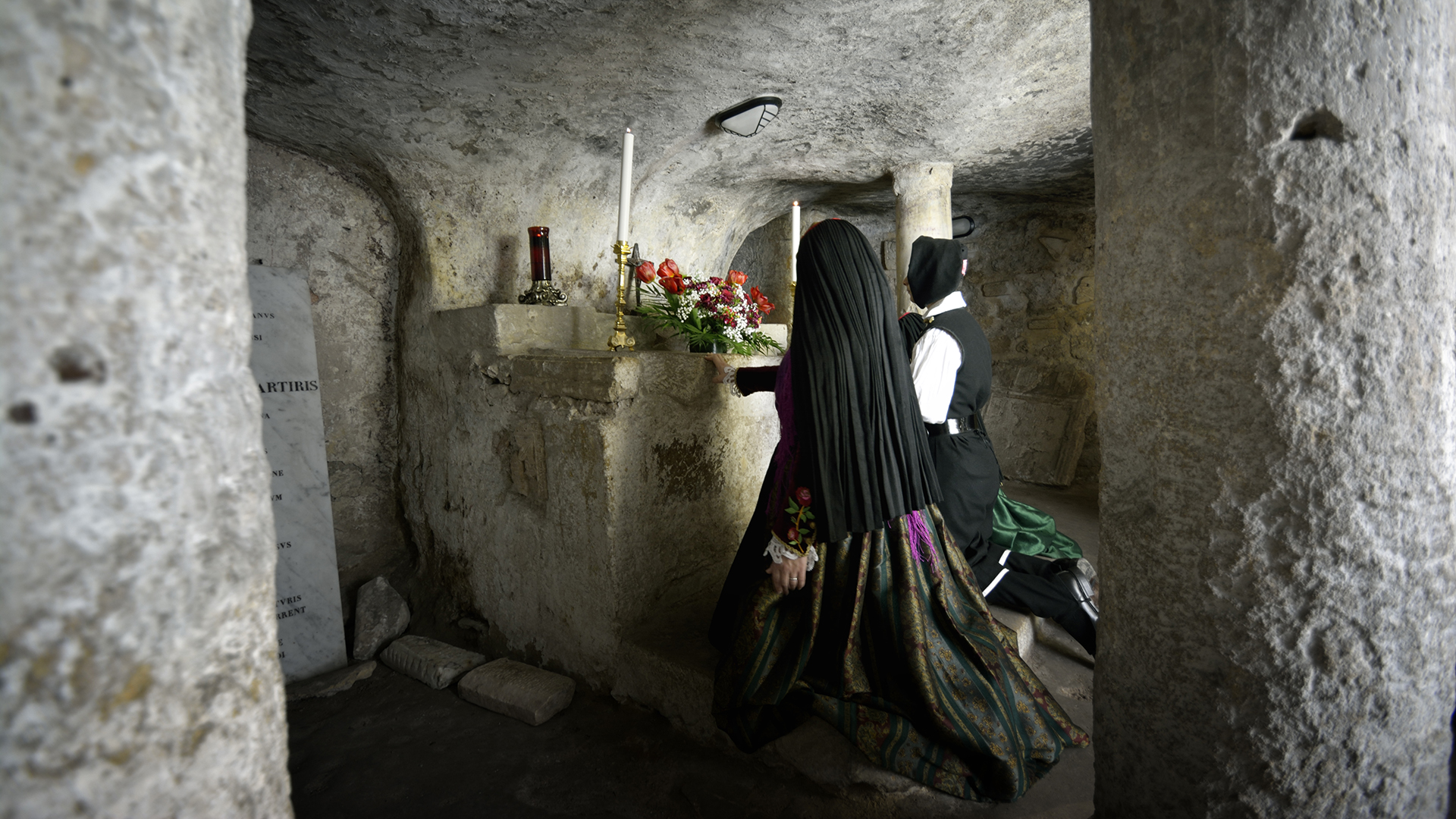
Inside the Basilica, you can visit the Catacombs, the only example in Sardinia, which represent one of the earliest testimonies of Christianity on the island.
Listen to the podcast
Located in the heart of the city's historic centre, the Basilica of St Antiochus Martyr, which rises imposingly over the Saint's tomb, is one of the oldest monuments of Byzantine origin in Sardinia. Erected around the 5th century B.C. and the first bishop's seat in Sulcis Iglesiente, the Basilica is the fulcrum of the celebrations in honour of Sardinia's patron saint in the three traditional appointments held throughout the year, during which the devotion of the many faithful to Antiochus is renewed.
Inside the Basilica, you can visit the Catacombs, the only example in Sardinia, which represent one of the earliest testimonies of Christianity on the island.
STAGE 3
Sa Presonedda
The historic centre of Sant'Antioco is an open-air museum and in every corner you can come across suggestive traces of the past: this is the case of Sa Presonedda, a first-century funerary monument that testifies to the fortunate union of Punic and Roman cultures.
Location: Via XX Settembre, 89
Sa Presonedda is an important funerary monument that dates back to the 1st century BC and represents a meeting point between Punic and Roman culture.
It can be admired while strolling along one of the main streets in the historic centre of Sant'Antioco, Via Eleonora d'Arborea, an artery of great importance both today and in the past as it connected the centre to the seafront and counted numerous craft and entrepreneurial activities.
Sa Presonedda has a stepped pyramid shape while the interior consists of a vestibule, an antechamber and a vast rectangular burial chamber with five niches in the walls. It was closed by a large, circular limestone door, unique and richly decorated.
Listen to the podcast

Over the centuries, both the exterior decorations and possible statues of the tomb's owners, as well as part of the core of the construction itself, have unfortunately been removed. Based on its architecture, Sa Presonedda is generically attributed to the tower mausoleum typology. It is similar to the turriform mausoleums of North Africa and the Roman mausoleums of Italy and the provinces, but with elements of originality, the result of Punic and Roman syncretism in Sulci between the 2nd century BC and the 1st century AD. It appears that Sa Presonedda was built and used by eminent members of Roman Sulci, precisely to represent their prestige and social rank.
STAGE 4
Grutti 'e Acqua and Tomb of the Giants
If you are a fan of prehistoric archaeology and wilderness, you cannot miss a visit to the nuragic site of Grutti 'e Acqua and the tomb of the giants Su Niu 'e Su Crobu, one of the most fascinating places on the island of Sant'Antioco.
Location: Grutti 'e Acqua
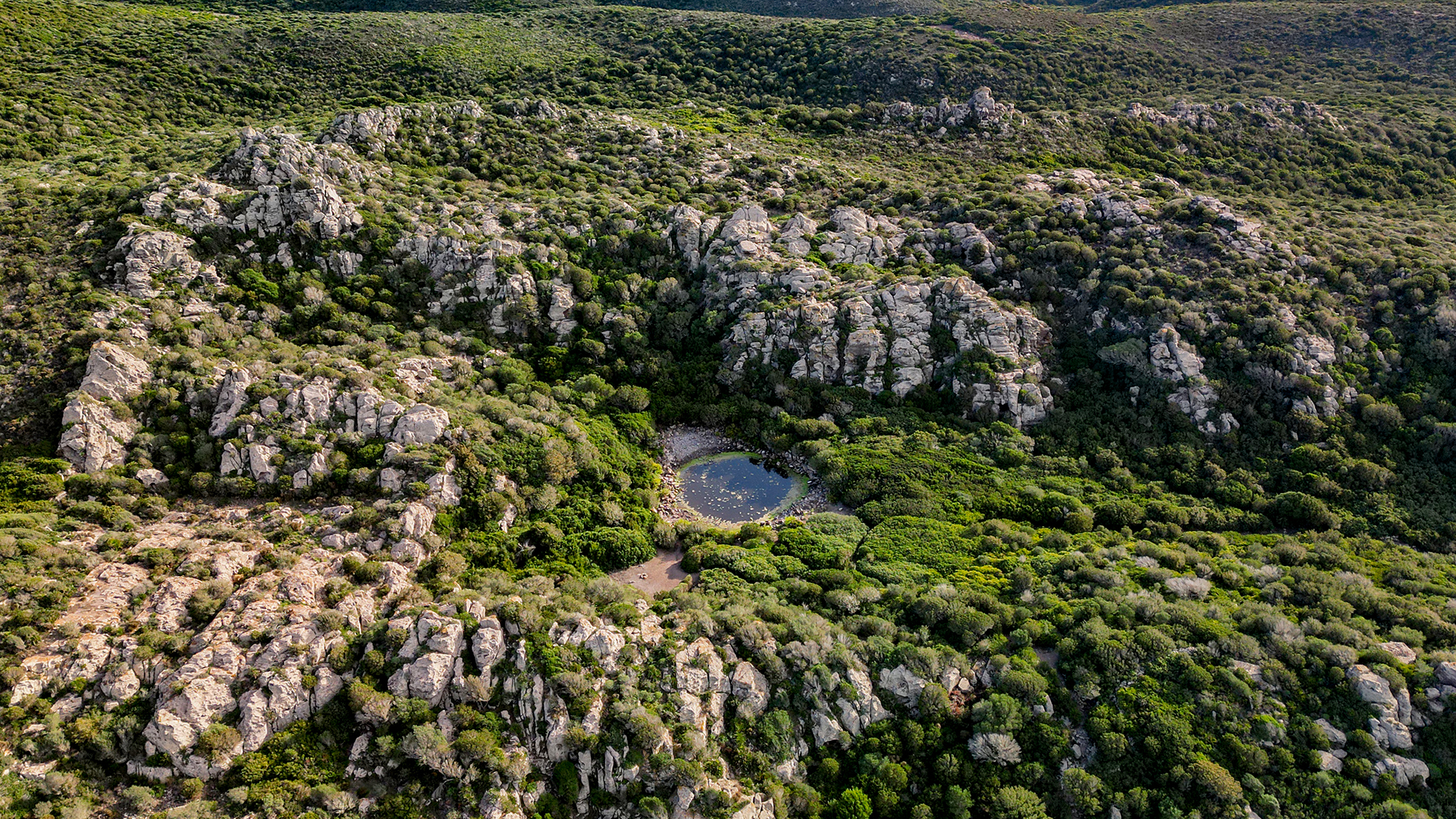
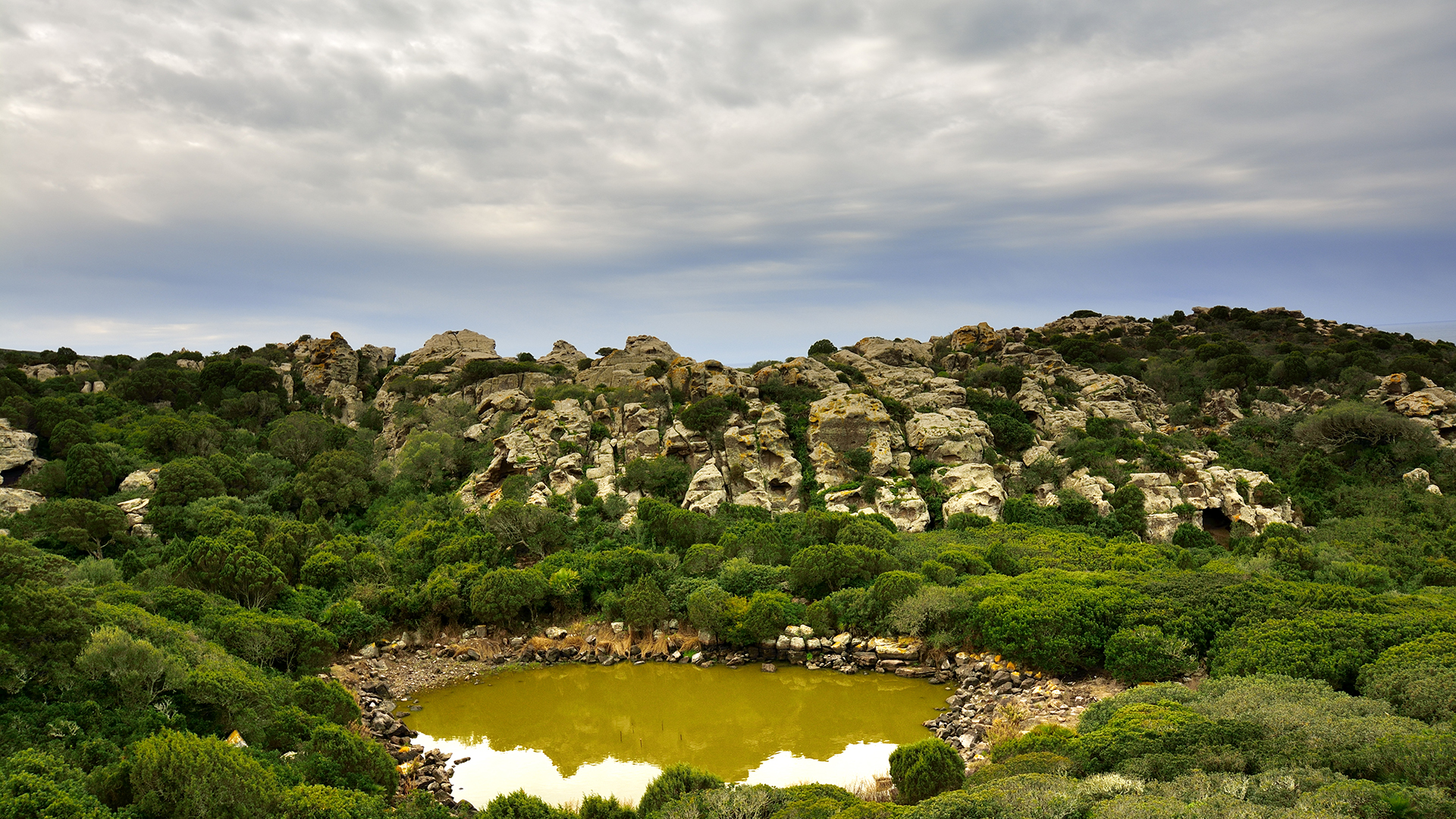
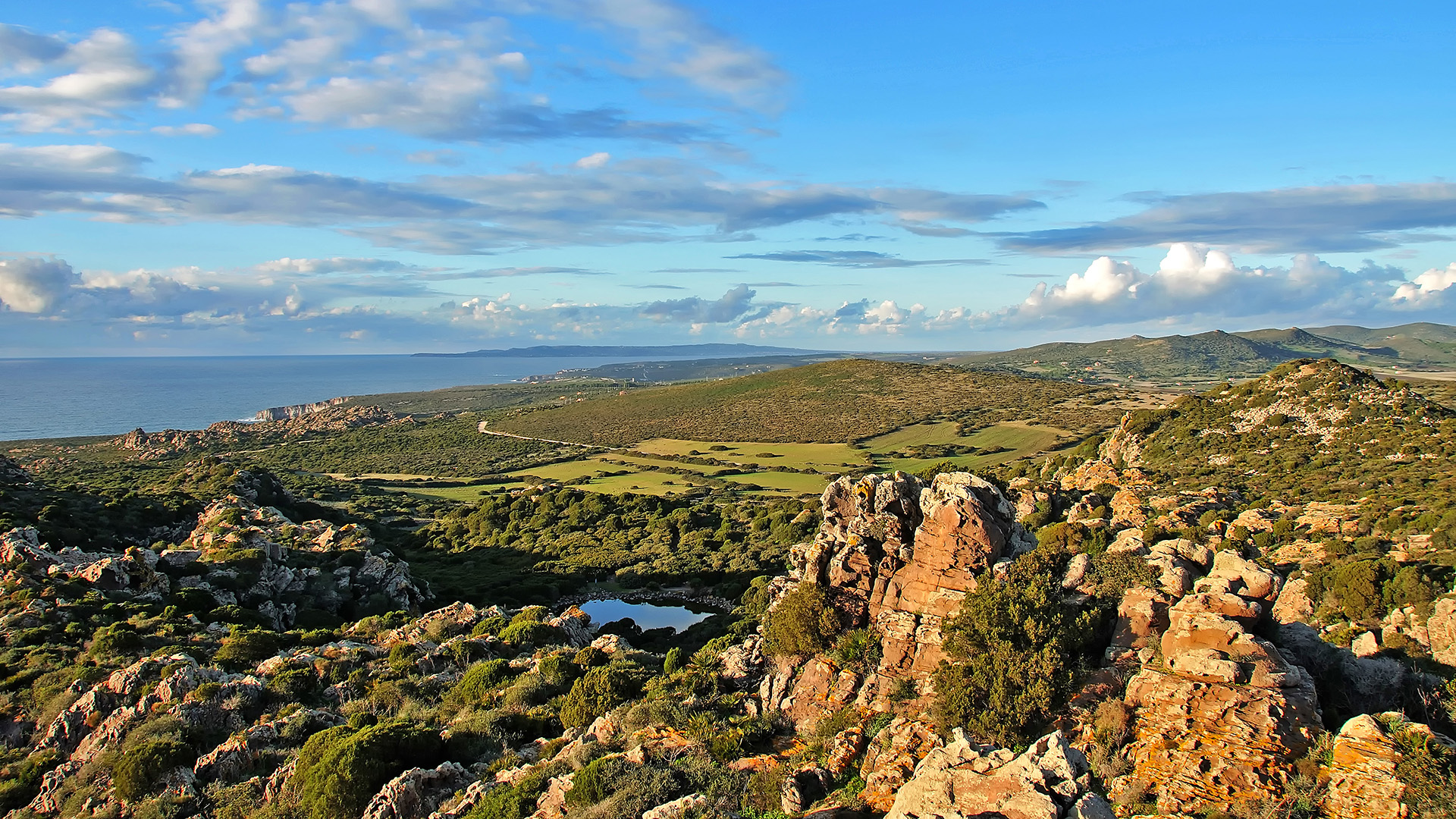
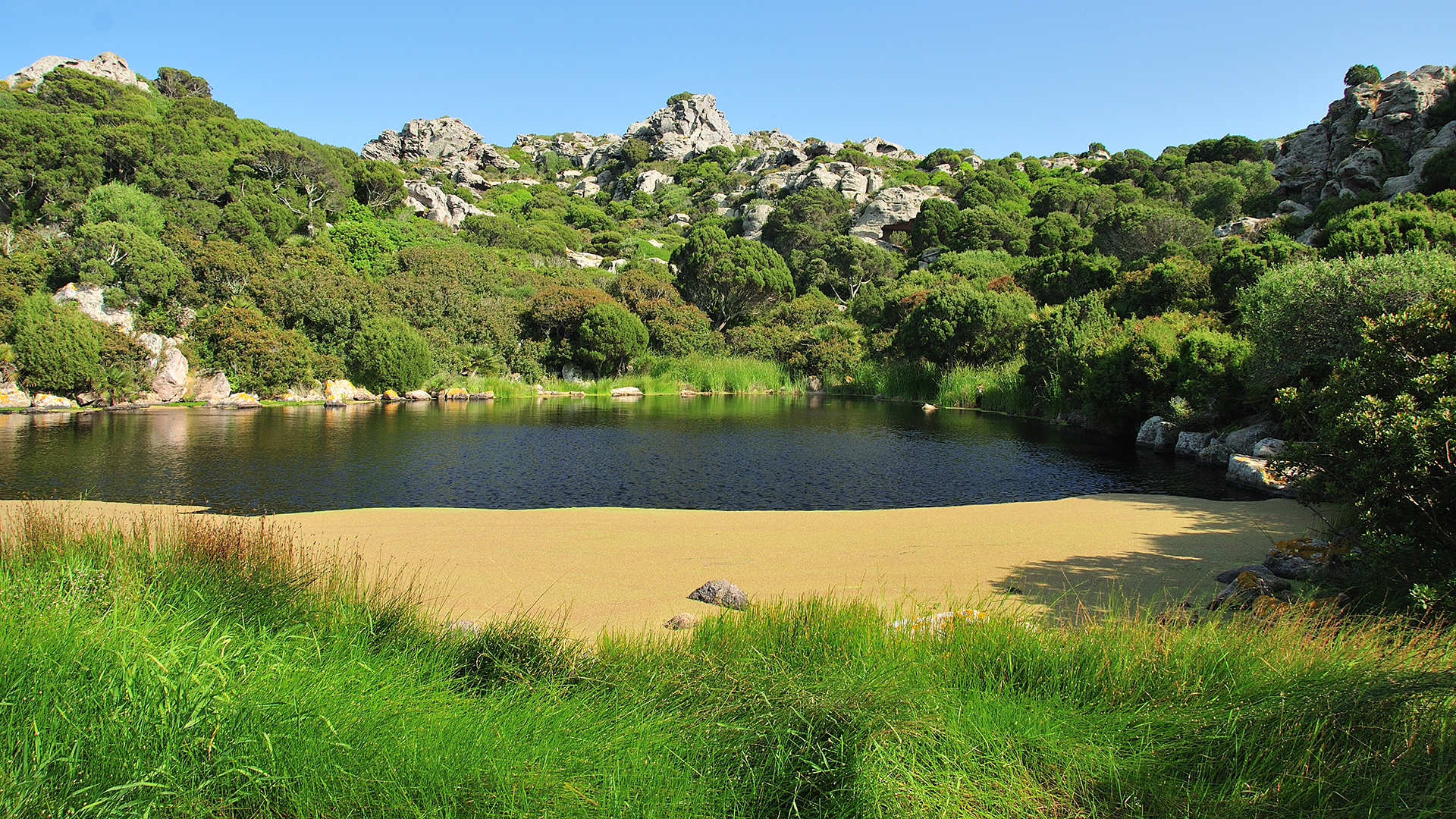
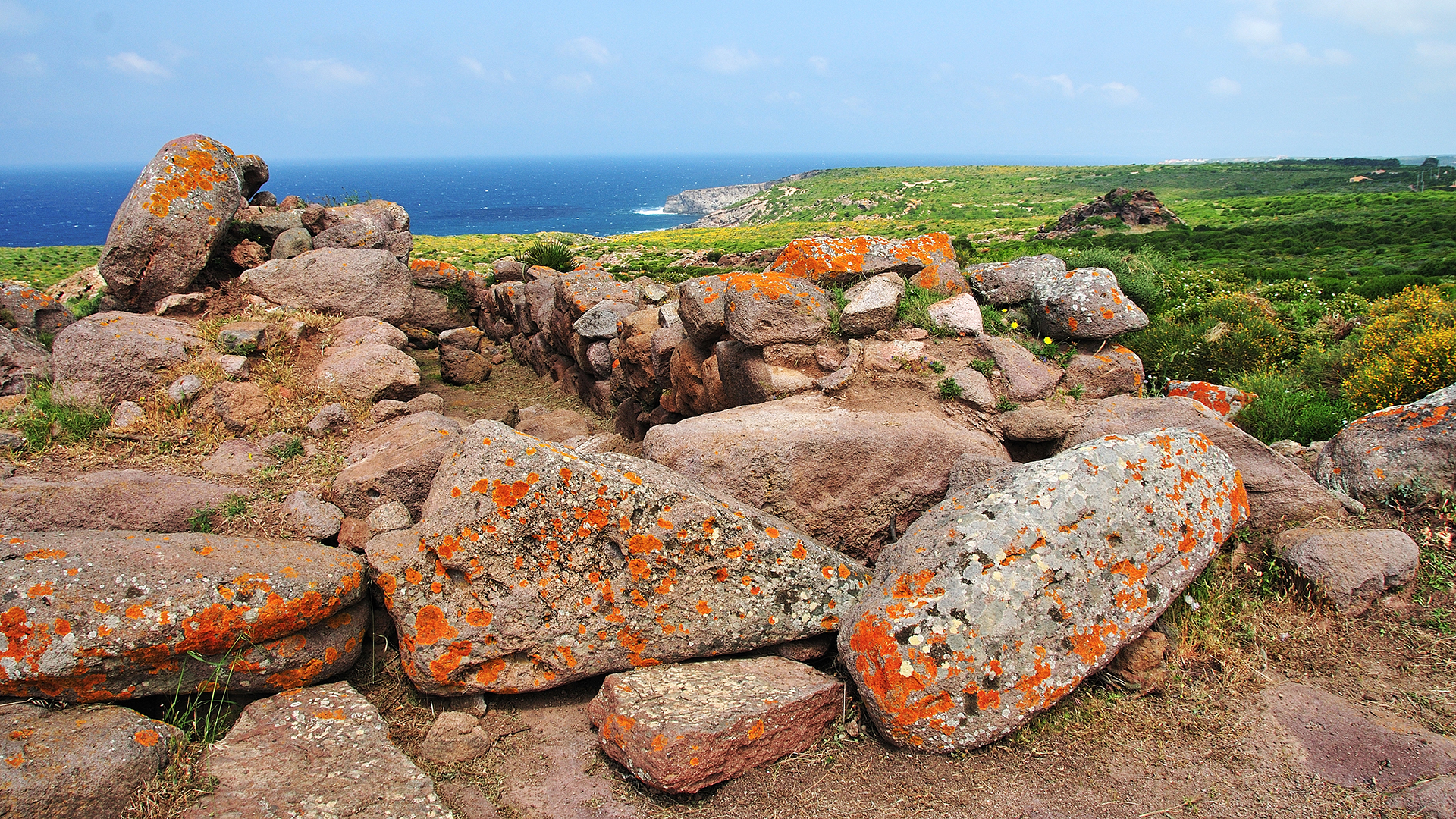
The complex of Grutti 'e Acqua, located to the west of the Canai plain, is immersed in a timeless place in the midst of unspoilt wilderness. From the highest part of the area, we can see the remains of a complex nuraghe with perhaps four towers, while a few hundred metres further south we find a corridor nuraghe, a tholos nuraghe and the remains of several huts. A little further on we come to the 'little nuragic lake', a natural basin whose banks are bordered by large boulders, a magical place immersed in silence. Probably, in the past, the waters were used for specific ritual celebrations linked to the cult of this fundamental element that has a very strong link with this place. In fact, the very name of the site is linked to the presence of numerous structures used to collect rainwater.
Listen to the podcast

Downstream, a few hundred metres, is the only well temple known today on the island also consecrated to the cult of water: an underground temple reached by a steep stone staircase.
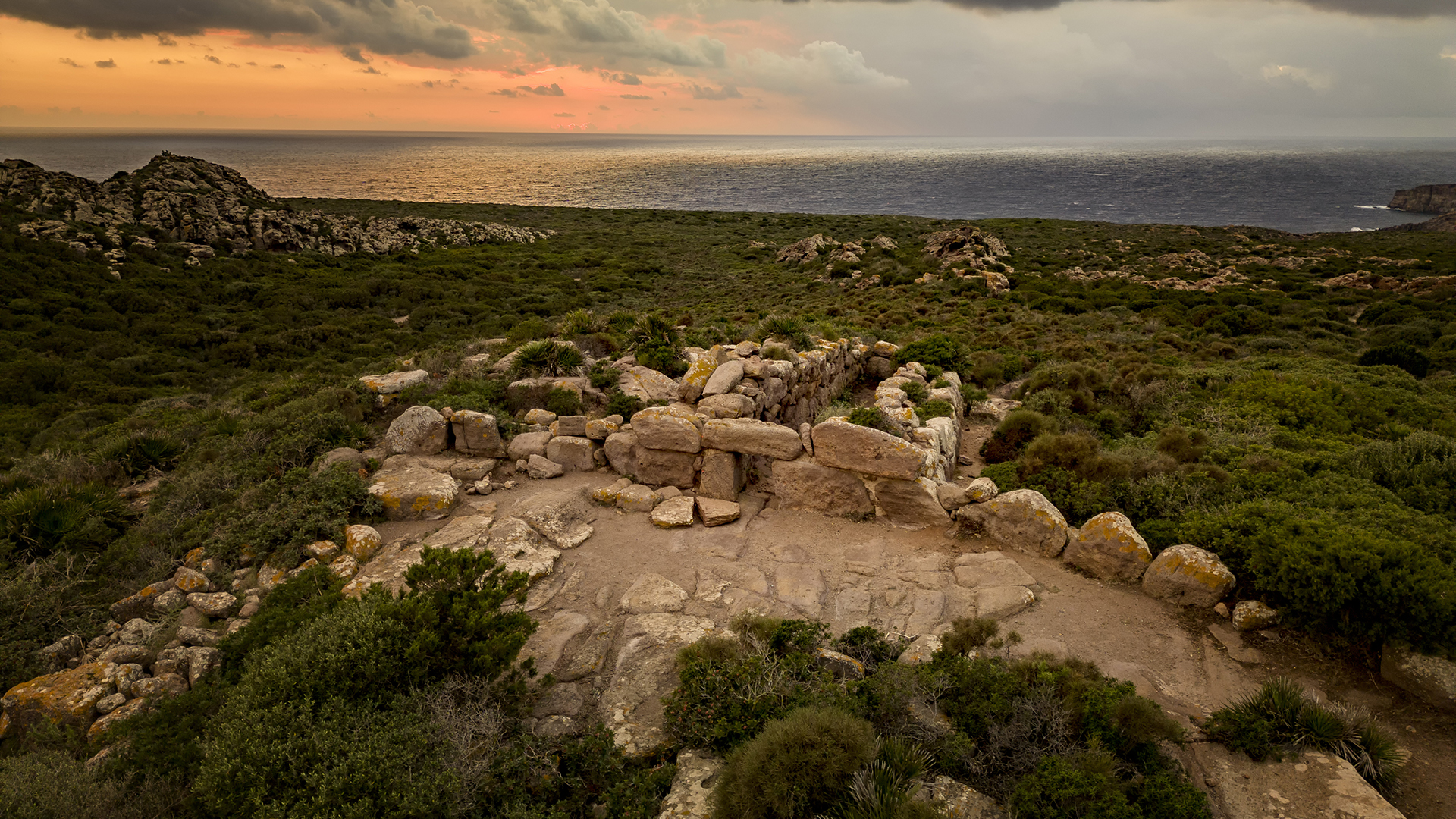
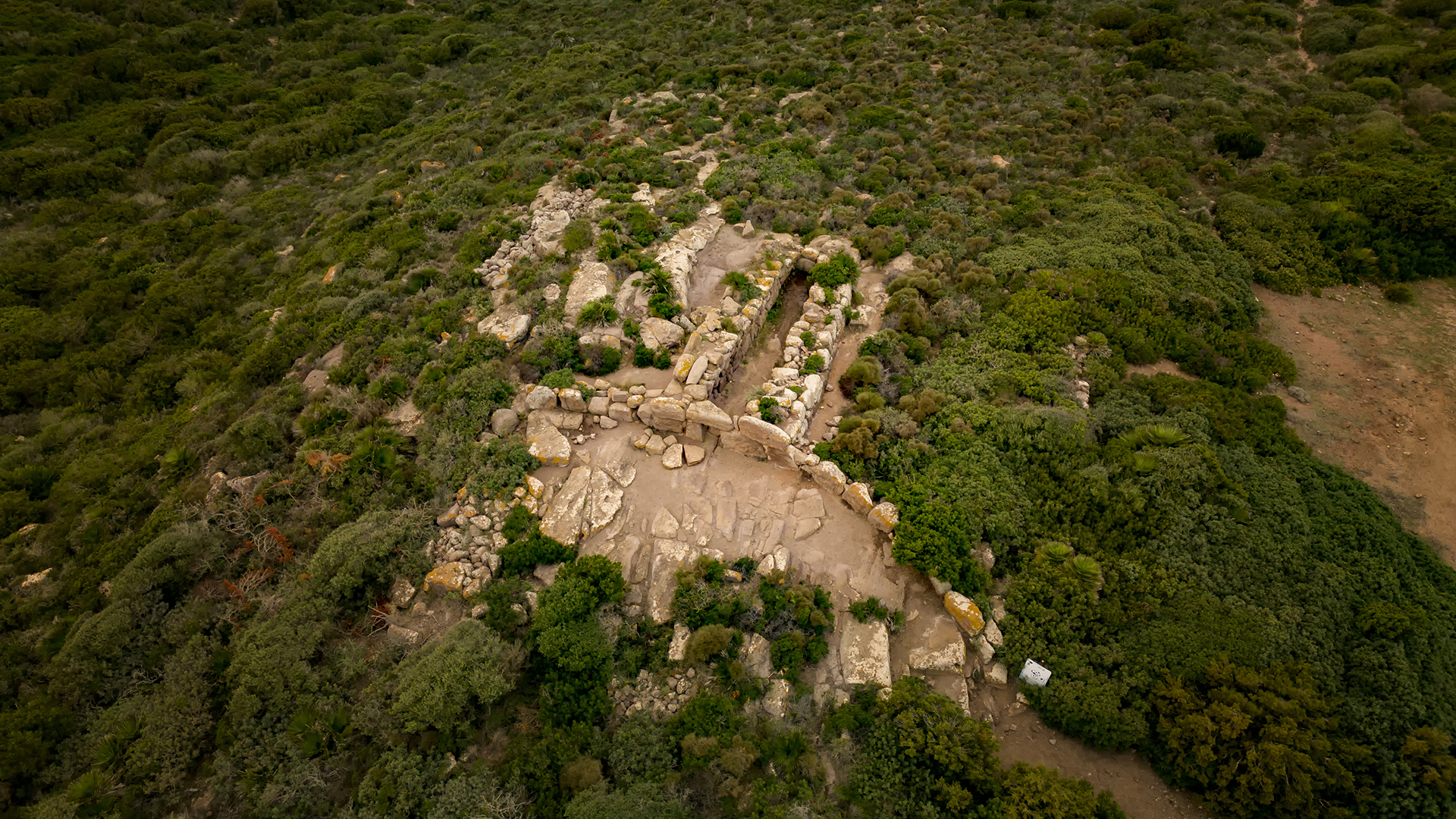
Another fascinating site is the tomb of the giants of Su Niu de su Crobu, the best preserved in Sant'Antioco. The popular name 'tomb of the giants' is due to the presence of a very long burial chamber accessed through a small door. In reality, these were collective burial monuments that contained the remains of the deceased from the same community of the settlement of Grutti 'e acqua.
A place not to be missed to take a dip into the past and appreciate the beauty of the surrounding nature.
STAGE 5
Sparrows' Nest and Lighthouse Eater
Two natural jewels set on the island of Sant'Antioco, places of extraordinary beauty and marine charm. With breathtaking views, crystal-clear waters and the evocative lighthouse that watches over the rocks, these landscapes offer unique emotions to both adventure lovers and those seeking peace and contemplation.
Location: Sparrows' Nest
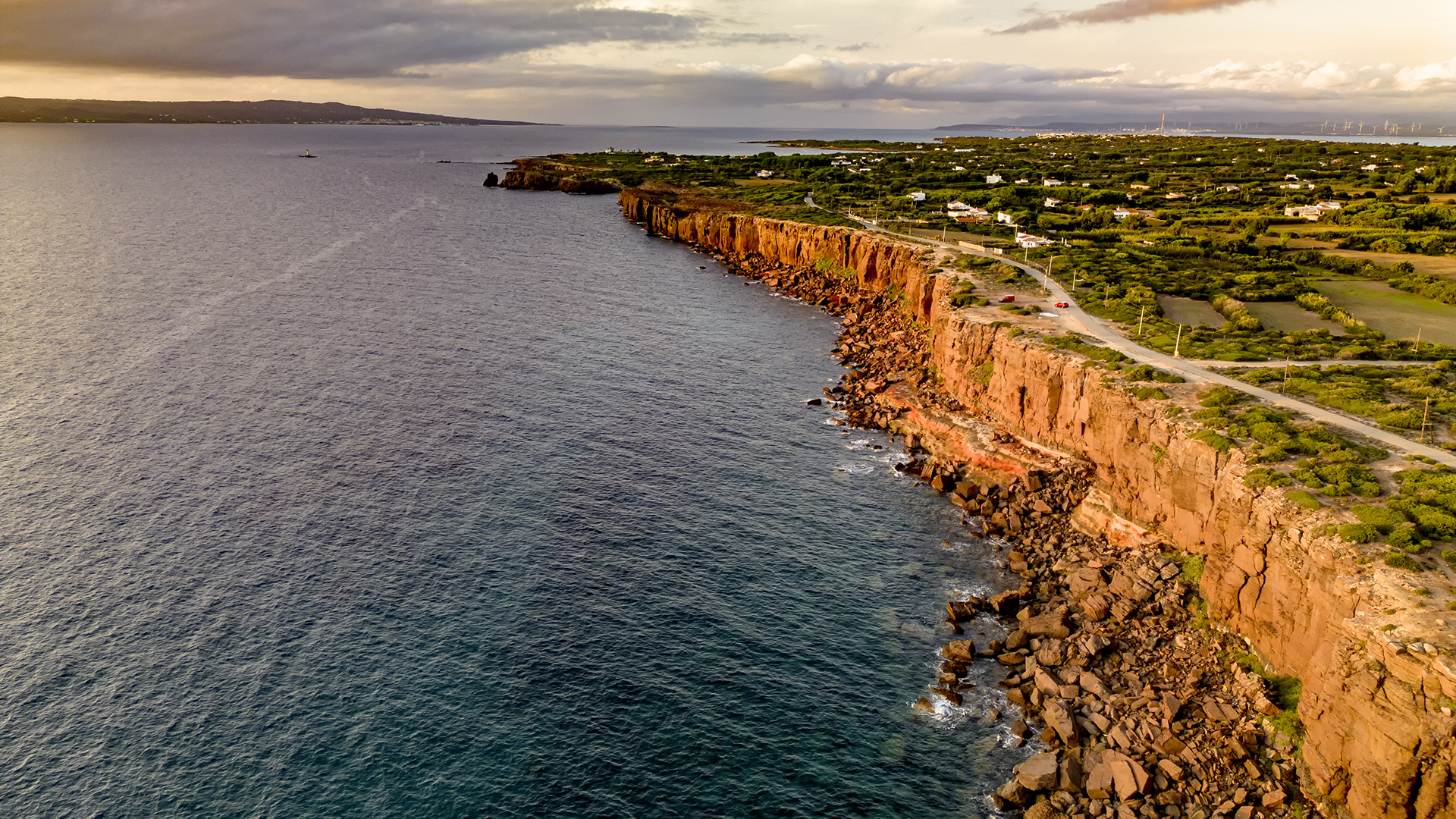
The Nido dei Passeri (Sparrows' Nest) cliff is one of the most striking places on the island of Sant'Antioco. A cliff overhanging the sea, it is a unique landscape for the colouring of the rocks, skilfully shaped by the wind and the sea. For lovers of strong emotions, from some points it is possible to dive directly into the sea from considerable heights, while for those who love tranquillity and peace, it is the ideal place to stop and meditate.
Another place not to be missed for those who love the wild blue sea with its unspoilt charm is the Mangiabarche beach. A little calasettano jewel immersed in the blue sea.
Listen to the podcast

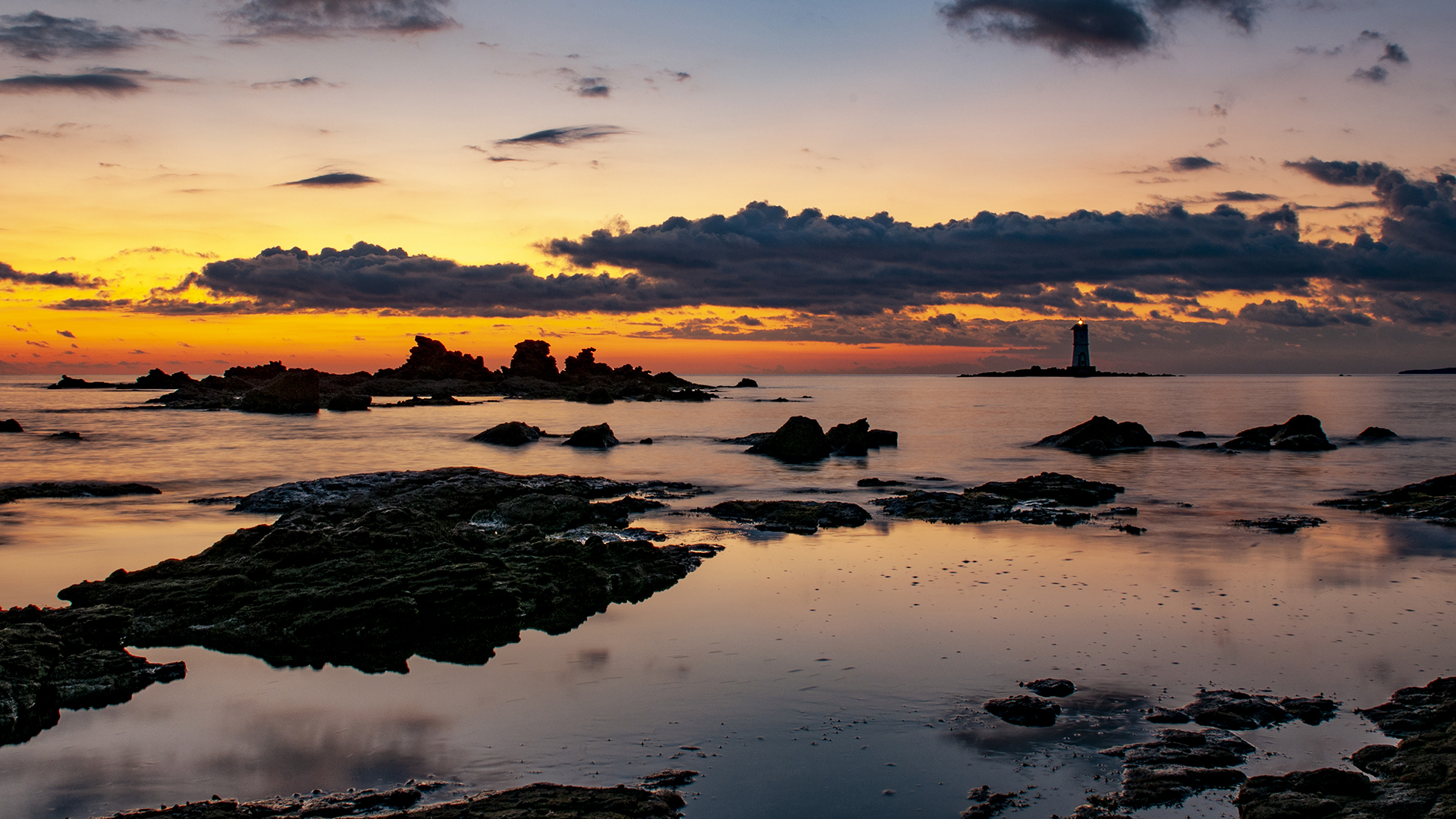
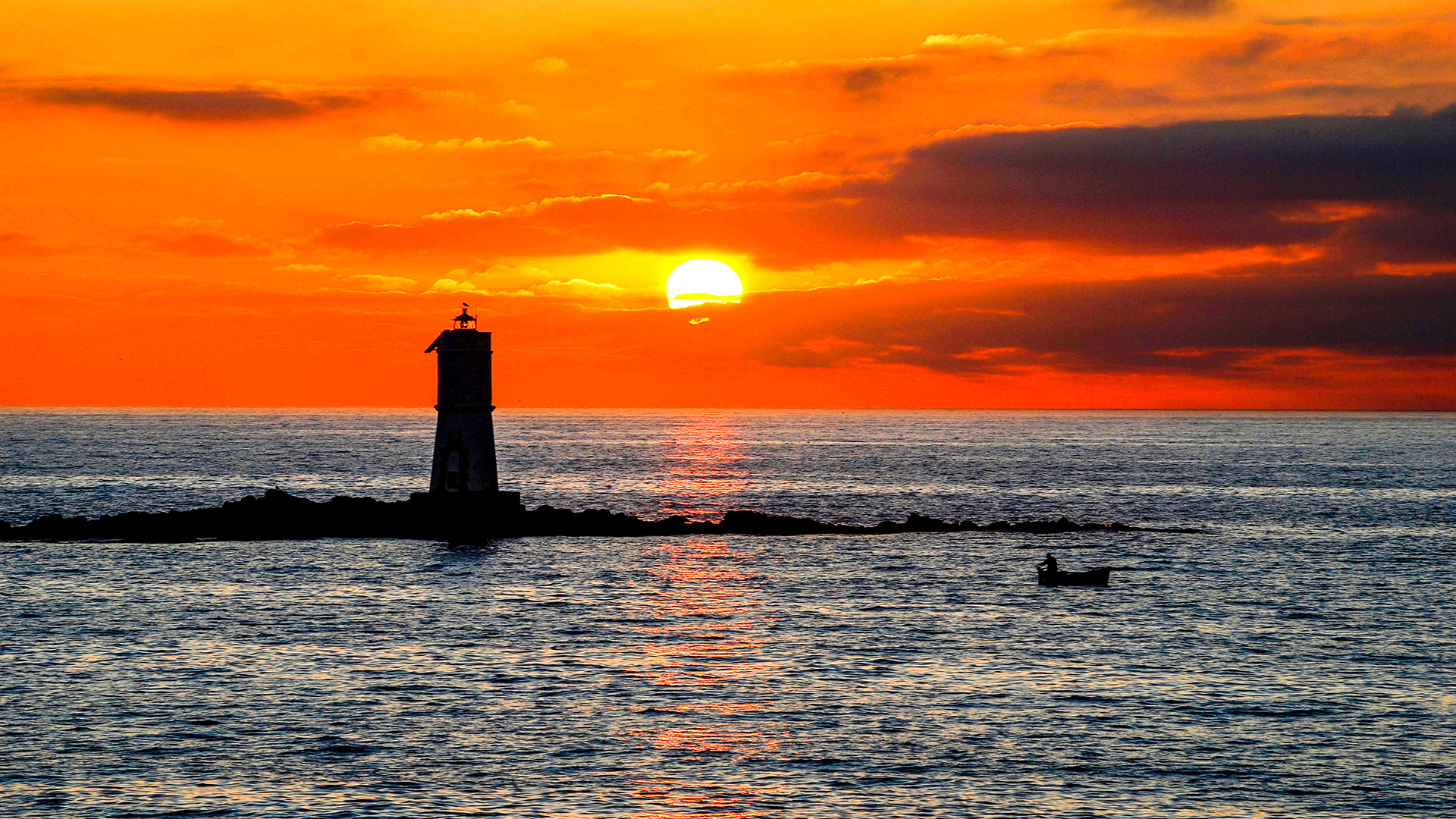
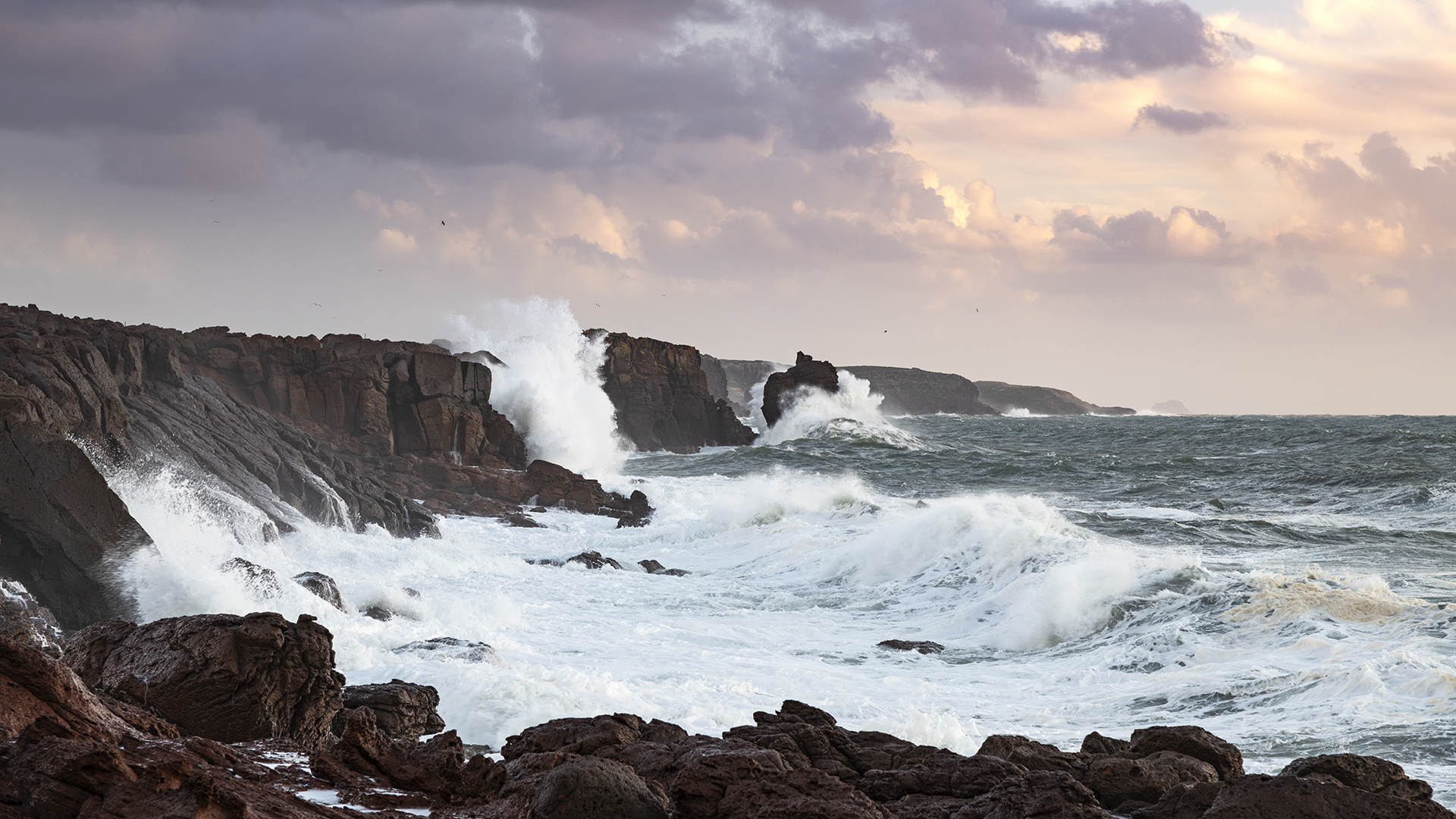
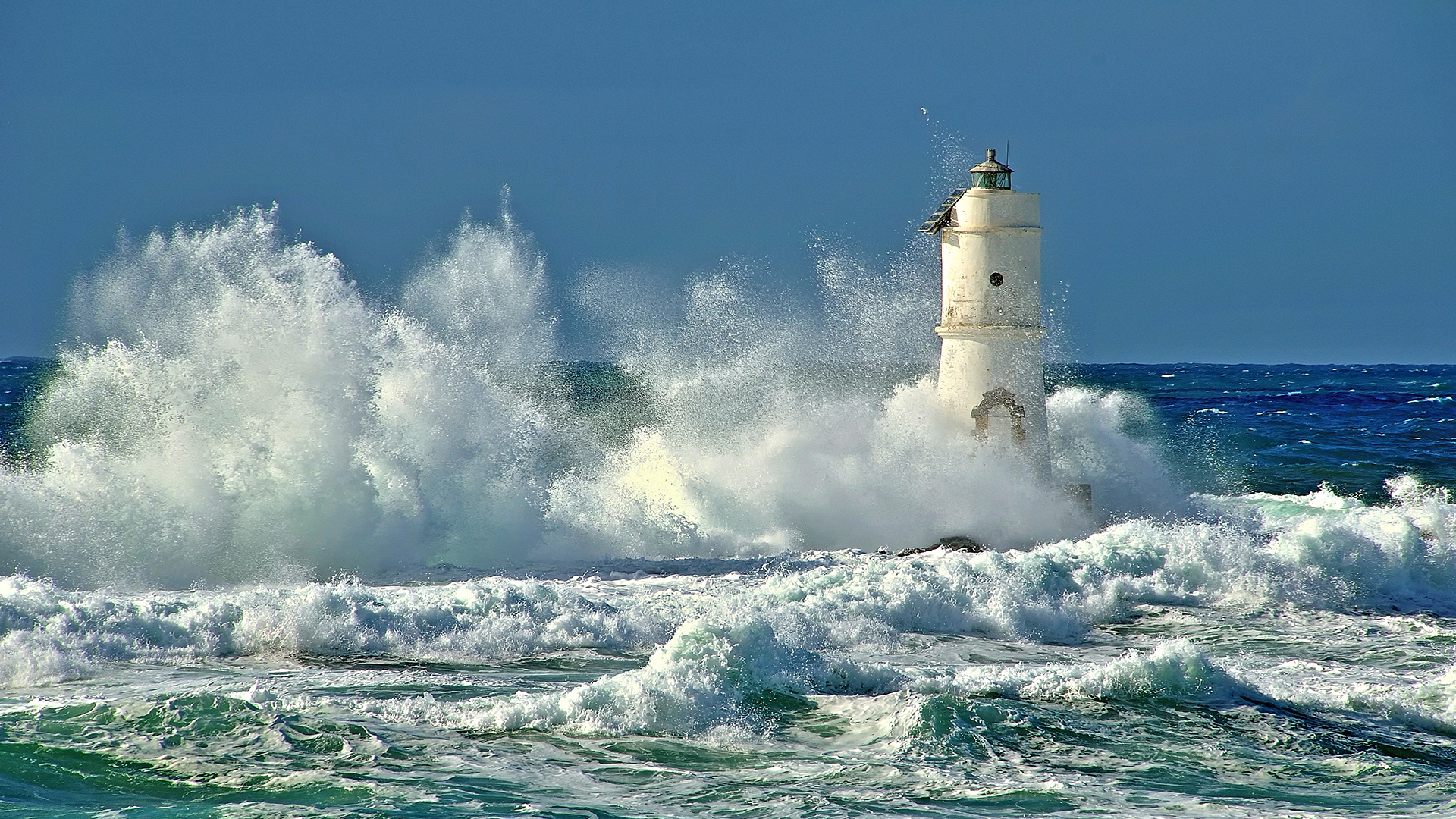
A few rocky outcrops house the lighthouse that stands alone between the fading sea and sky. Its task is to prevent, sometimes unsuccessfully, boats from getting stuck in the rocky outcrops; in fact, its name is probably due to the fact that so many sailors have found their misfortune here. It is particularly fascinating in winter, when the sea shows all its impetuous force with gigantic foamy waves exploding against the lighthouse.
The unusual landscape and the play of light from the water make this place a must for anyone visiting the island of Sant'Antioco.