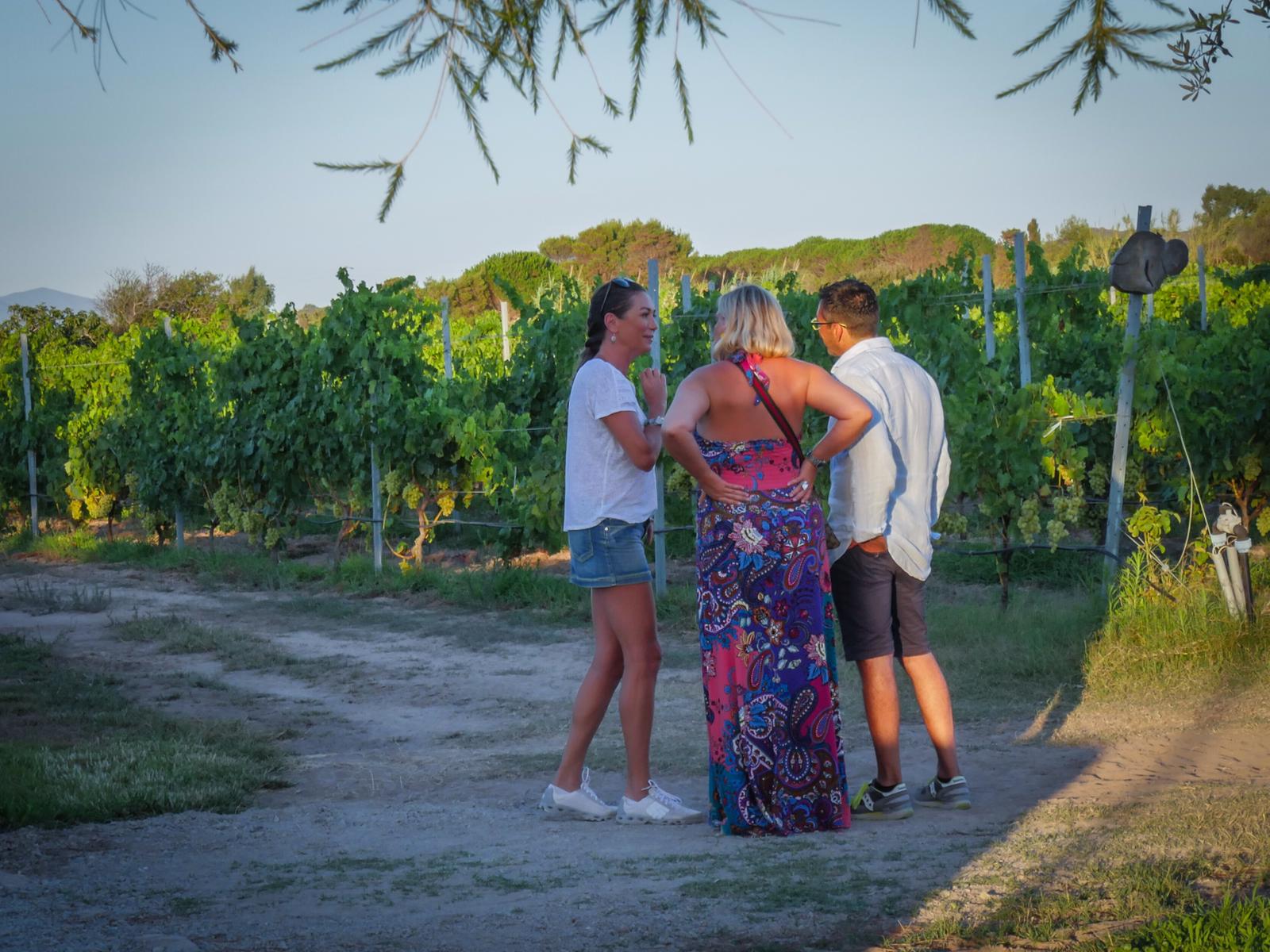
'Only if you are a little crazy do you recover centuries-old vines, fight against the mistral and sandy soils, to obtain from an ancient tradition a modern wine'.
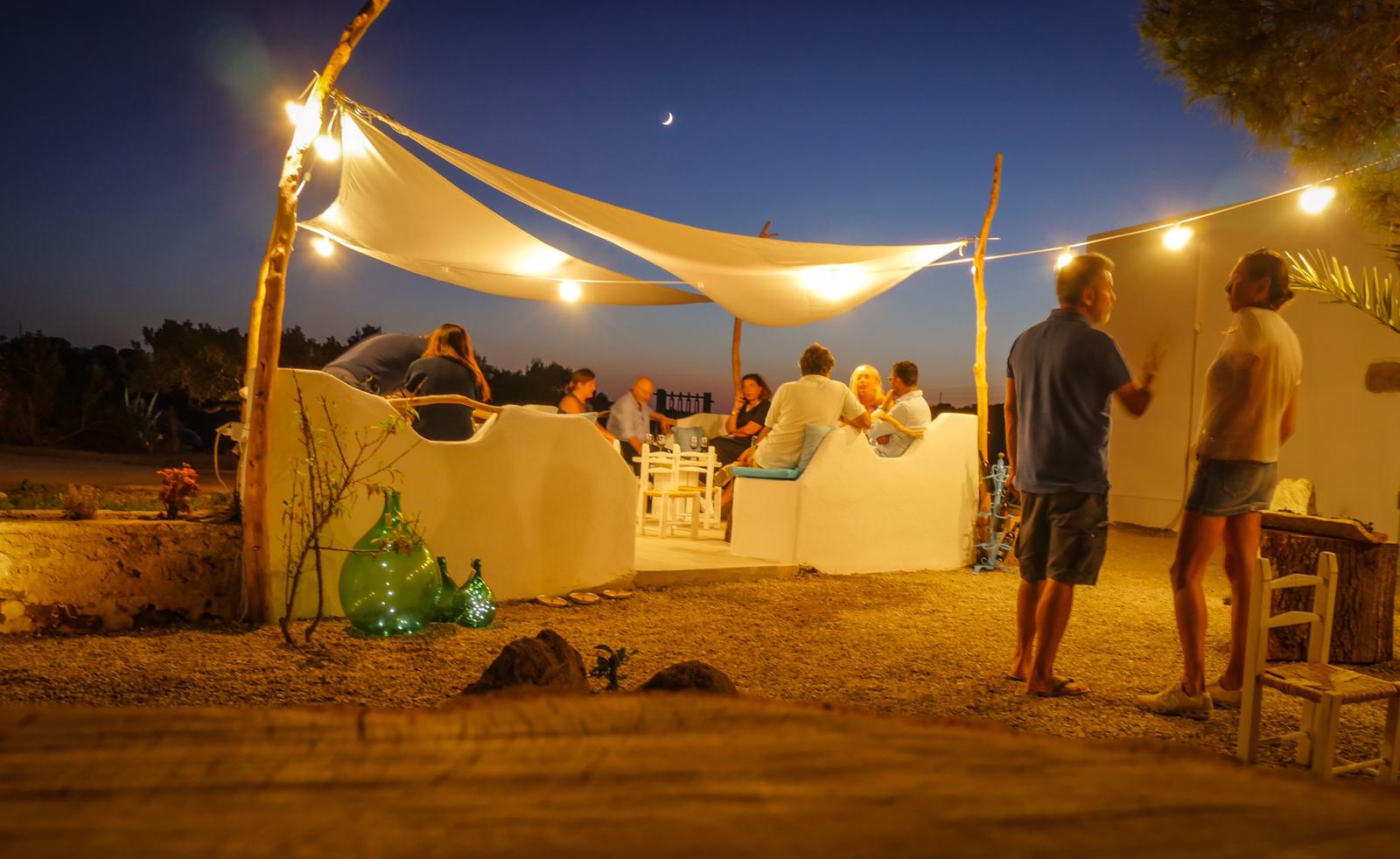
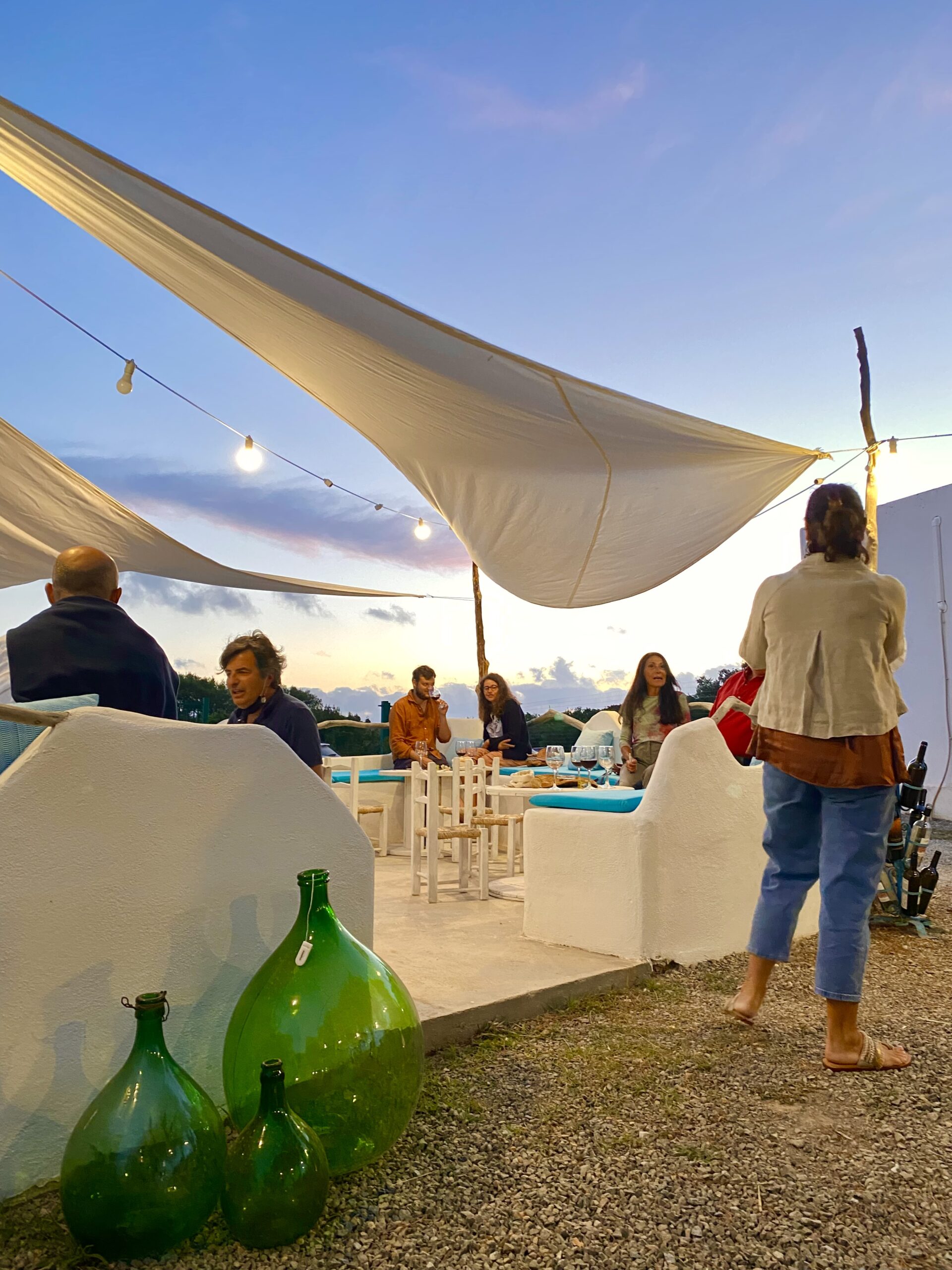
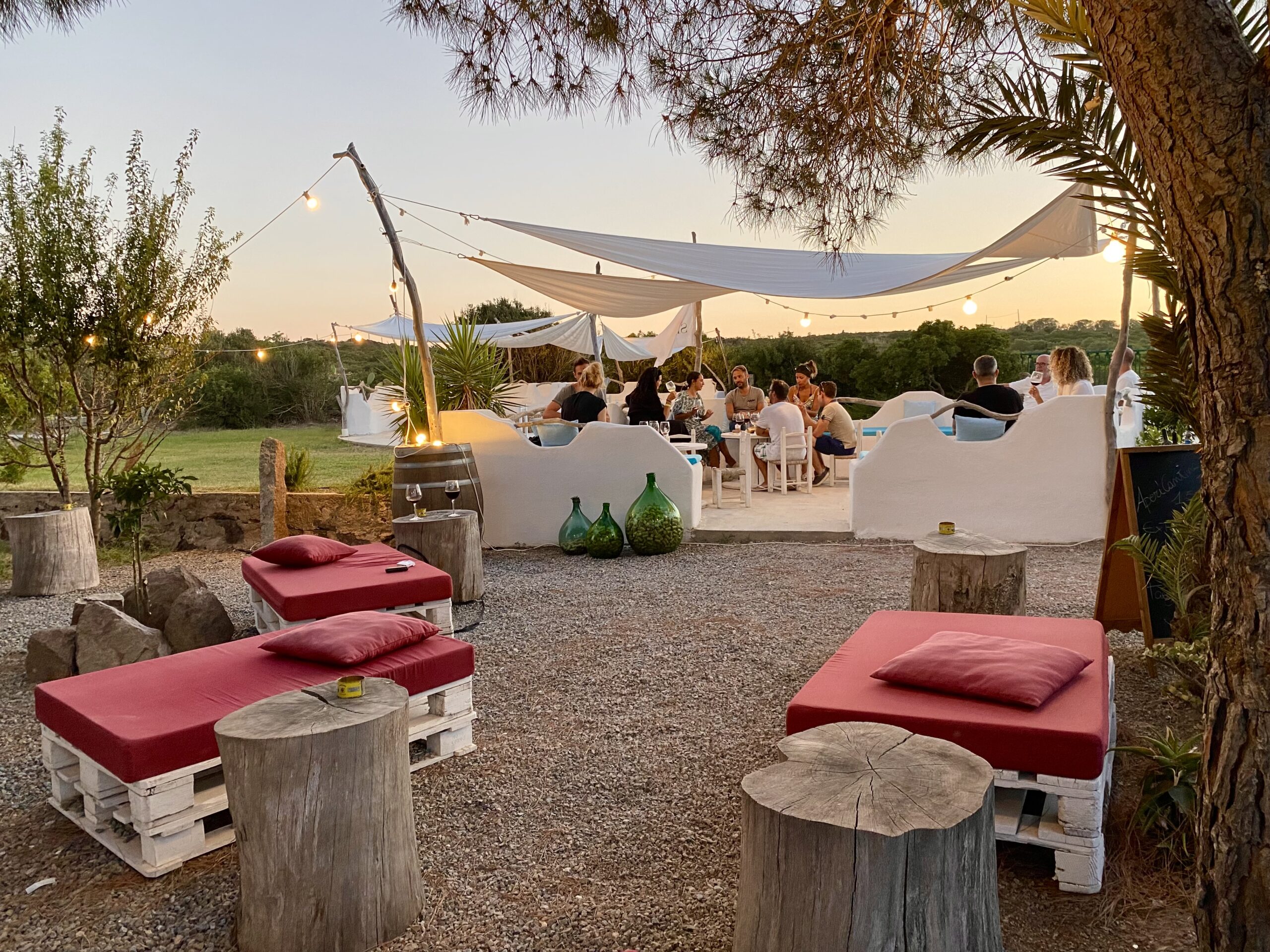
Tenuta La Sabbiosa rises in front of the Sardinian sea, among the dunes of the island of Sant'Antioco. "An 'island within an island' that until the 1980s was covered with tiny Carignano vineyards. Small parcels of bush-trained vines, grown 'like gardens' up to the beaches, among the dunes and junipers, on sandy soils lashed all year round by the strong, salty mistral winds. Vines have always been free-range because this is one of the few areas in Europe where the terrible scourge of phylloxera has not taken root, destroying the centuries-old work of man. However, the island's great winemaking tradition began to disappear in the late 1980s, when low production yields began to clash with the logic of the market. As a result, thousands of unique monumental vines, a hundred and more years old, were uprooted. Since the dawn of time, in fact, the vineyards here have been worked and regenerated using ancient techniques that have kept the plants alive for centuries. Here and there, however, thanks to the passion and tenacity of the elderly, small vineyard plots have survived, and the production of 'Tenuta La Sabbiosa' wines started from one of these. Over the years, other hundred-year-old vineyards have been saved from extinction and added to the steadily growing estate.
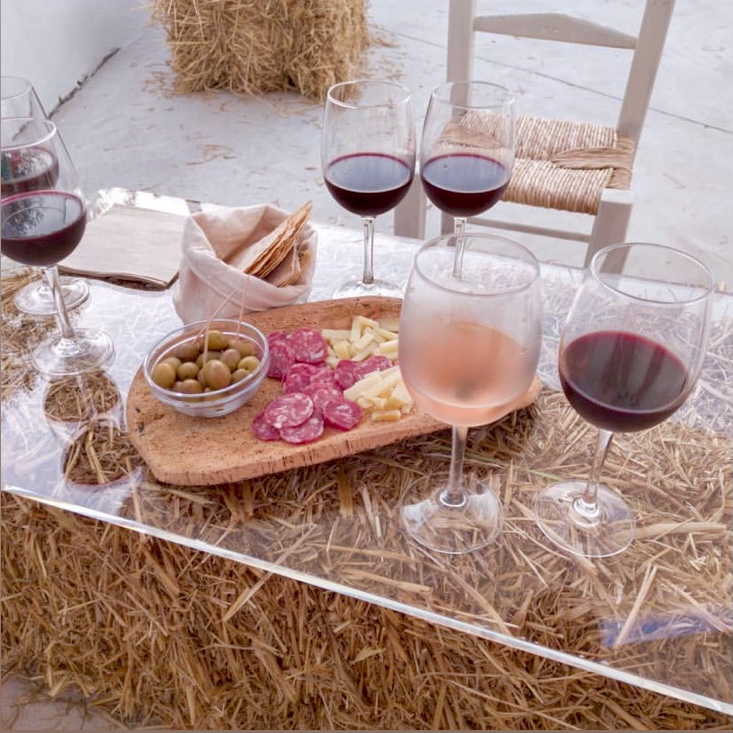
The winery's oenological intent has always been to return to the essence of Carignano: "an exceptional wine because the plant from which it derives has suffered thirst, heat, wind and perhaps even a little hunger," said G. Tachis, "a wine with low acidity and very high pH, rich in noble tannins that are sweet, rounded, and gentle, and that ages slowly and gently, just like the great sages." This is why Tenuta la Sabbiosa, despite the inevitably very low yields, has resumed work on the area's centuries-old vineyards, to obtain with traditional techniques and the best of modern knowledge, unique wines with aromas and flavours that can only be given by free-range vineyards growing near the sea, on soils composed 99% of sand. Soils that starve plants thirsty from the Sardinian sun and slapped by the mistral: 'the plant that suffers slightly always makes a better wine' Emile Peynaud.