Description of the black grape variety Carignano
Carignano is a black grape variety, entered in the National Register of Vine Varieties (Ministerial Decree 25/5/1970) and included in the List of recommended varieties for the provinces of Cagliari, Oristano, Nuoro and Sassari (EEC Reg. 1250/70). The decree also recommends its cultivation in the provinces of Ancona and Rome, and authorises it in those of Rieti and Viterbo.
Until 1946, Carignano was not among the varieties cultivated in Sardinia. It was Dalmasso to report its presence for the first time in vineyards replanted after phylloxera invasion.
In the province of Cagliari, phylloxera arrived relatively late, between 1907 and 1908, but already by 1926 it had devastated some 67,000 hectares of vineyards in Campidano and Sulcis.
One of the most significant ampelographic descriptions dates back to 1964, thanks to the work of Breviglieri e CasiniThey analysed a strain preserved in the collection of the Faculty of Agriculture of the University of Florence. At the time, Carignano was widespread in the south of France, Algeria, Tunisia, Umbria, Tuscany and Sardinia. It was known by numerous synonyms: Boi dur, Carignan, Carignena, Mazuela, Mollard, Girard e Grapes of Spain. The same authors emphasised its economic importance in Sulcis and on the island of Sant'Antioco, where it was used for the production of a 'half-cut' wine, amaranth red, dry and generous. Later, even Vodret (1993), Deidda (1994) e Calò with his collaborators (2001) made further contributions on the characteristics of the grape variety and its wines.
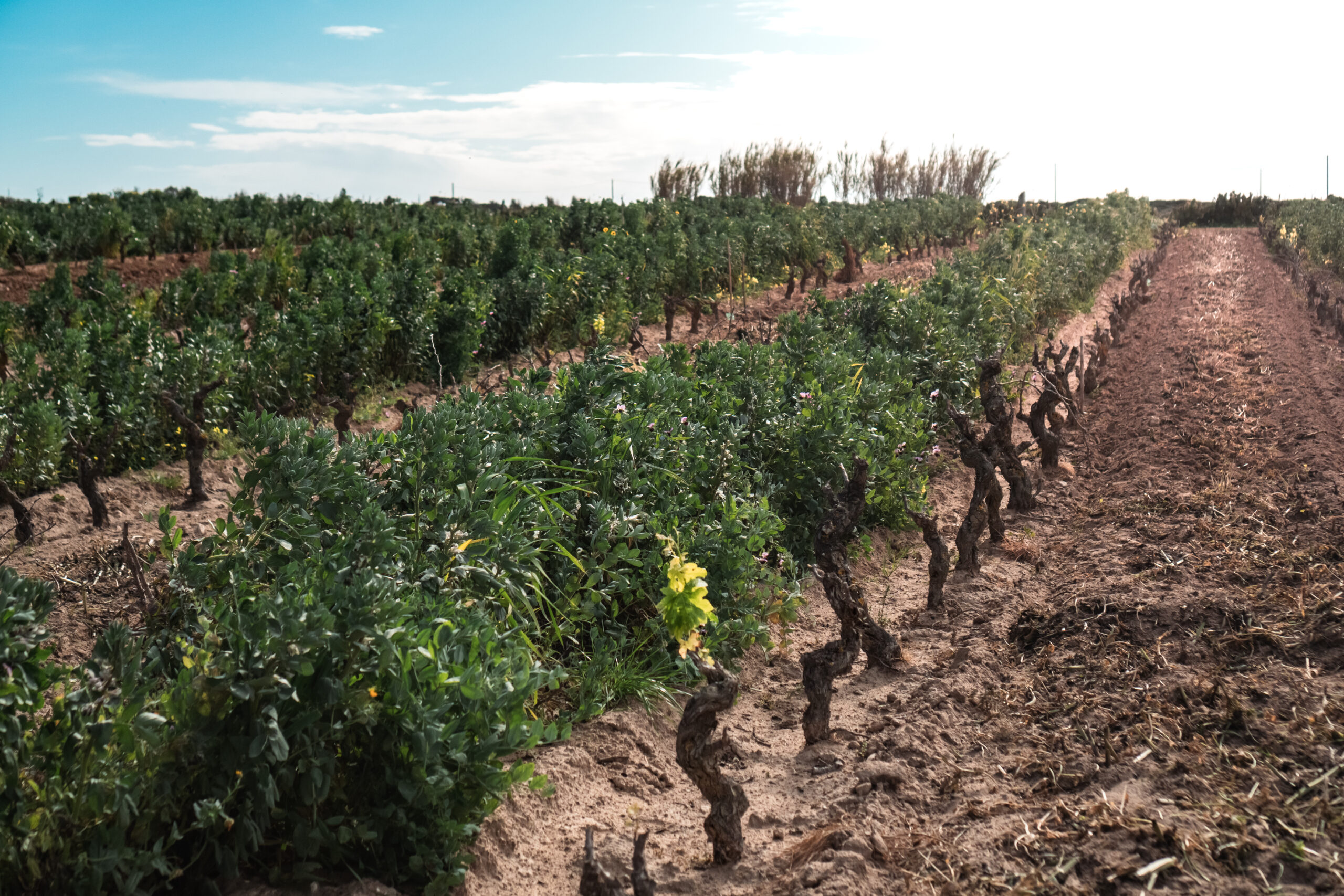
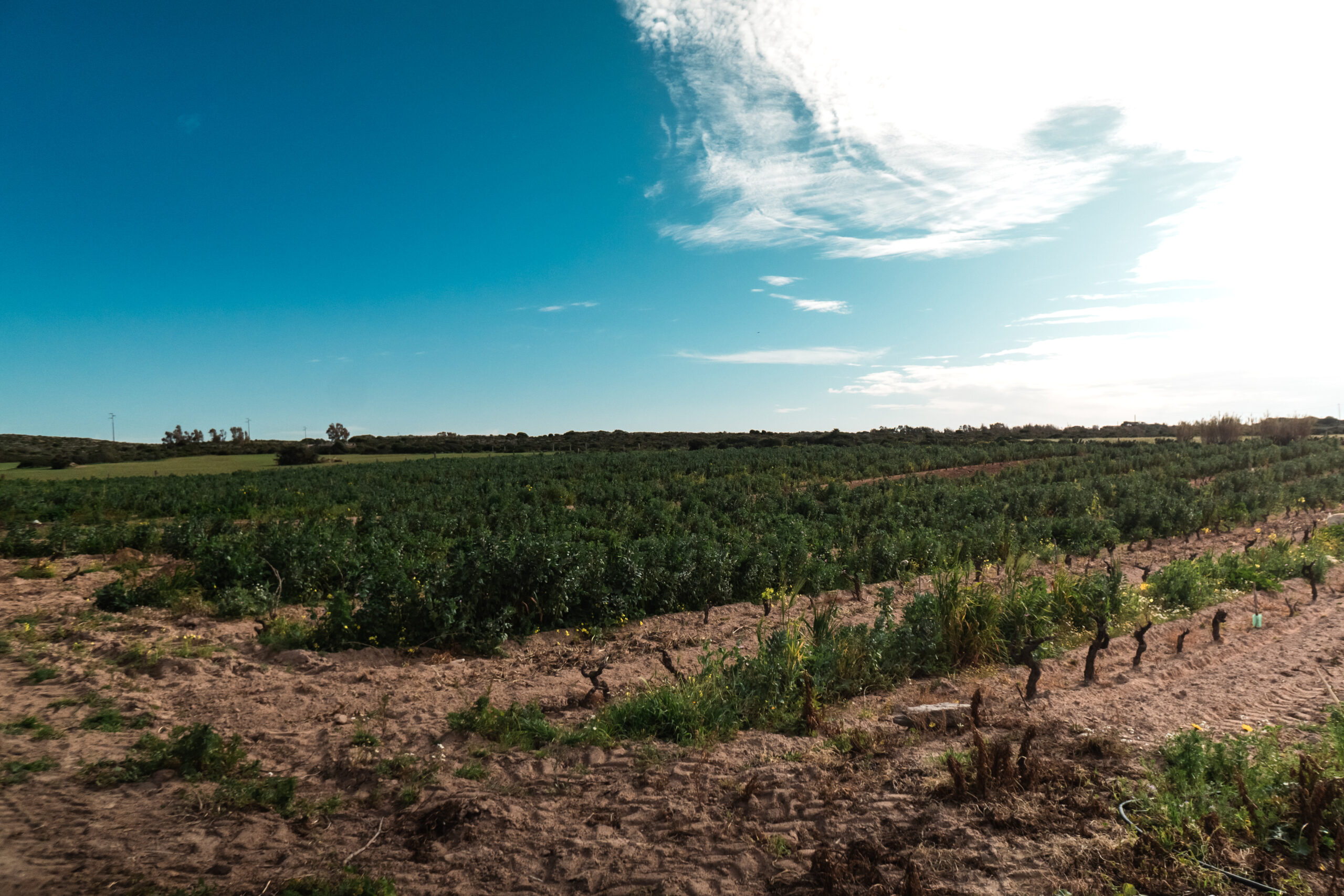
Today, Carignano is widely cultivated in Sardinia, with a clear prevalence in Sulcis, particularly in the municipalities of Giba, Sant'Anna Arresi, San Giovanni Suergiu, Santadi, Masainas, Carbonia, Sant'Antioco and Calasetta. On the island of Sant'Antioco, in the municipalities of Sant'Antioco and Calasetta, a total of 353 hectares of Carignano are cultivated, of which about 95% is free-range. The predominantly sandy soils guarantee average yields of between 20 and 50 quintals per hectare. In the 1970s, the area under Carignano vines on the island reached 2,500 hectares.
Ideal growing conditions: climate, soil and farming techniques
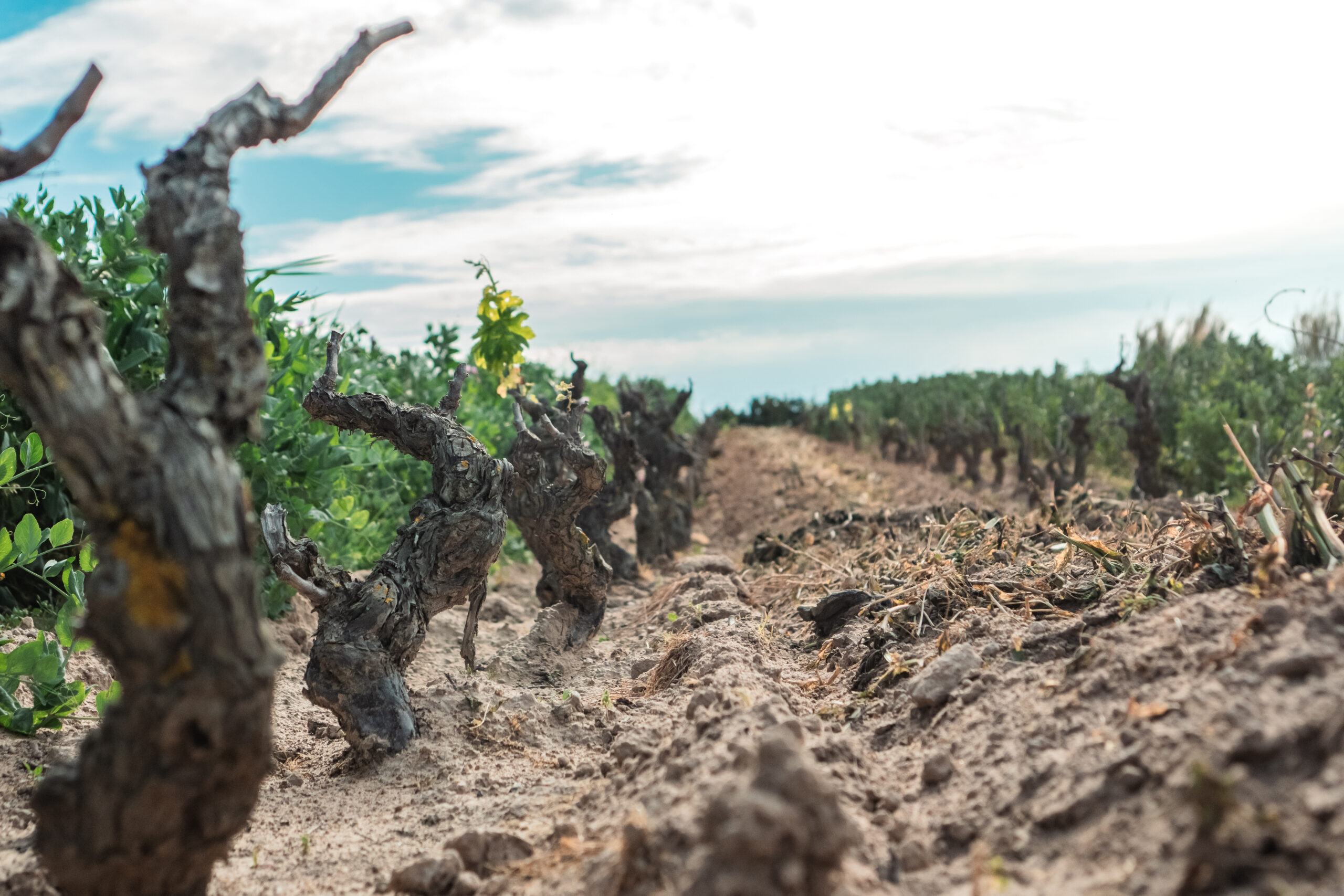
La FOOTBALL cultivation is only possible in the presence of soils with a very high sand content (above 90%). This particular composition, although partly including clay and silt, prevents phylloxera from completing its life cycle, thus allowing the cultivation of ungrafted vines.
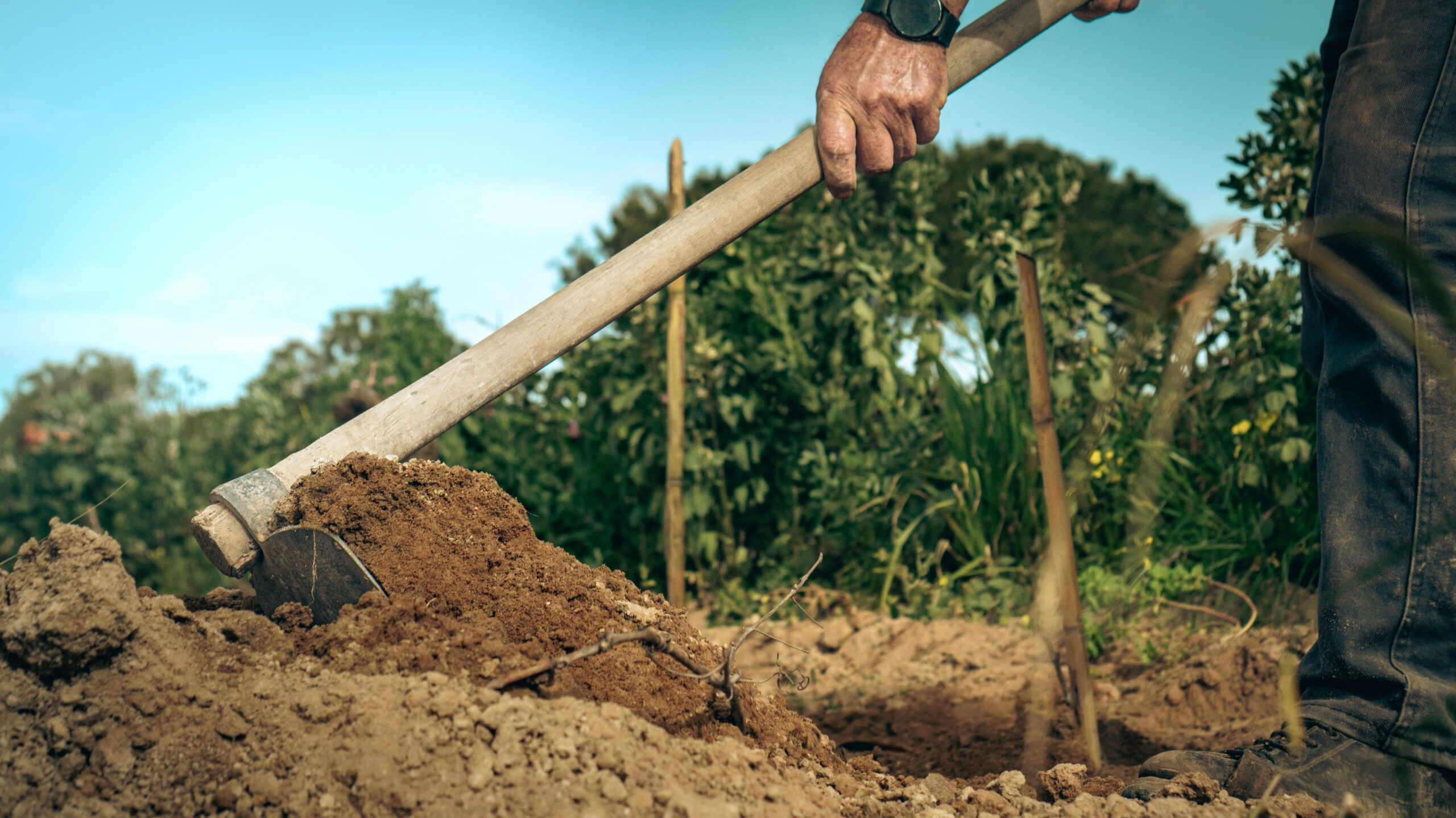
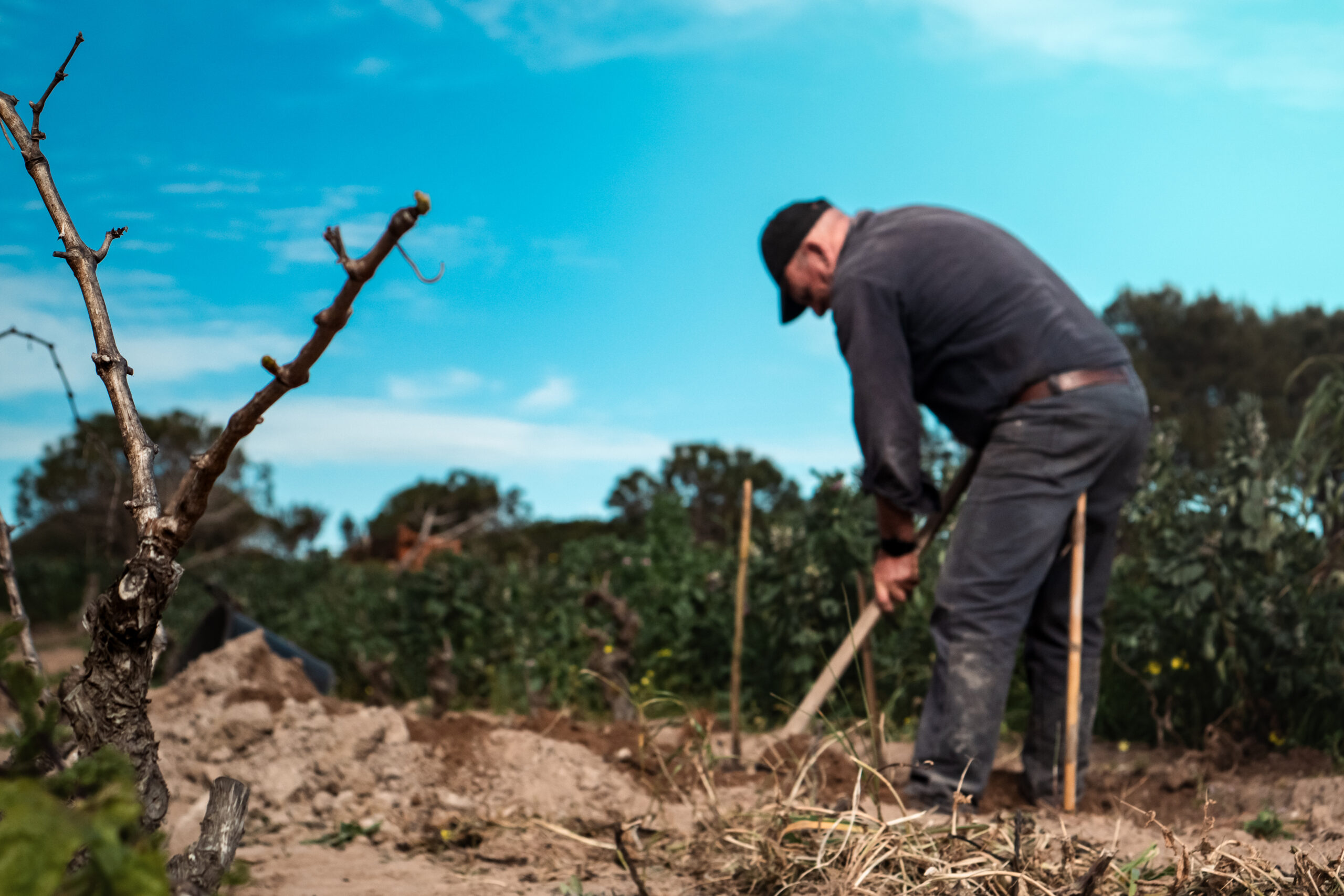
The island's climate is typically Mediterranean, characterised by low rainfall (between 350 and 450 mm per year) and strong sunshine. These particularly harsh conditions are perfectly suited to the rustic nature of Carignano, a vigorous and productive cultivar that can adapt to water and thermal stress. Winegrowers adopt dry-cultivation strategies to favour the vine's adaptation, intervening with continuous soil tillage to eliminate weeds and employing very dense bush-trained plantings. However, each plant produces a limited quantity of both grapes and vegetation. This characteristic is particularly advantageous in drought conditions: a plant with a reduced canopy has a smaller transpiring leaf surface, thus limiting water loss and being more suitable for environments where water availability is the main limiting factor.
Free-foot Carignano vs. other varieties
The free-range Carignano vine is clearly distinguished from grafted varieties. Free-range vines boast extraordinary longevity, often exceeding 100 years, thanks to a root system that penetrates deeper into the soil. This allows the plants access to water and nutrients even during periods of intense drought.
The absence of rootstock allows a more direct transmission of soil characteristics to the wine, contributing to an authentic expression of terroir. In Sulcis, this expression is unique: the marine sands, arid climate, constant winds and presence of saltiness give the wines an unrepeatable character. On the contrary, in grafted vines, the use of rootstock can attenuate or modify this identity, making the wine less representative of its territory of origin.
Although grafted plants offer greater resistance to phylloxera, they have a shorter average life span and exhibit less 'natural' behaviour in nutrition and water management. Although they are more productive, they tend to contain lower amounts of tannins, polyphenols and, in particular, resveratrol, a powerful antioxidant.
Conclusion
The Carignano del Sulcis cultivated on a free-range basis represents a rare example of authentic viticulture, where tradition is perfectly intertwined with unique environmental conditions.
Its uniqueness lies not only in the variety, but above all in the way it integrates with the terroir, resulting in distinctive, expressive and fascinating wines.