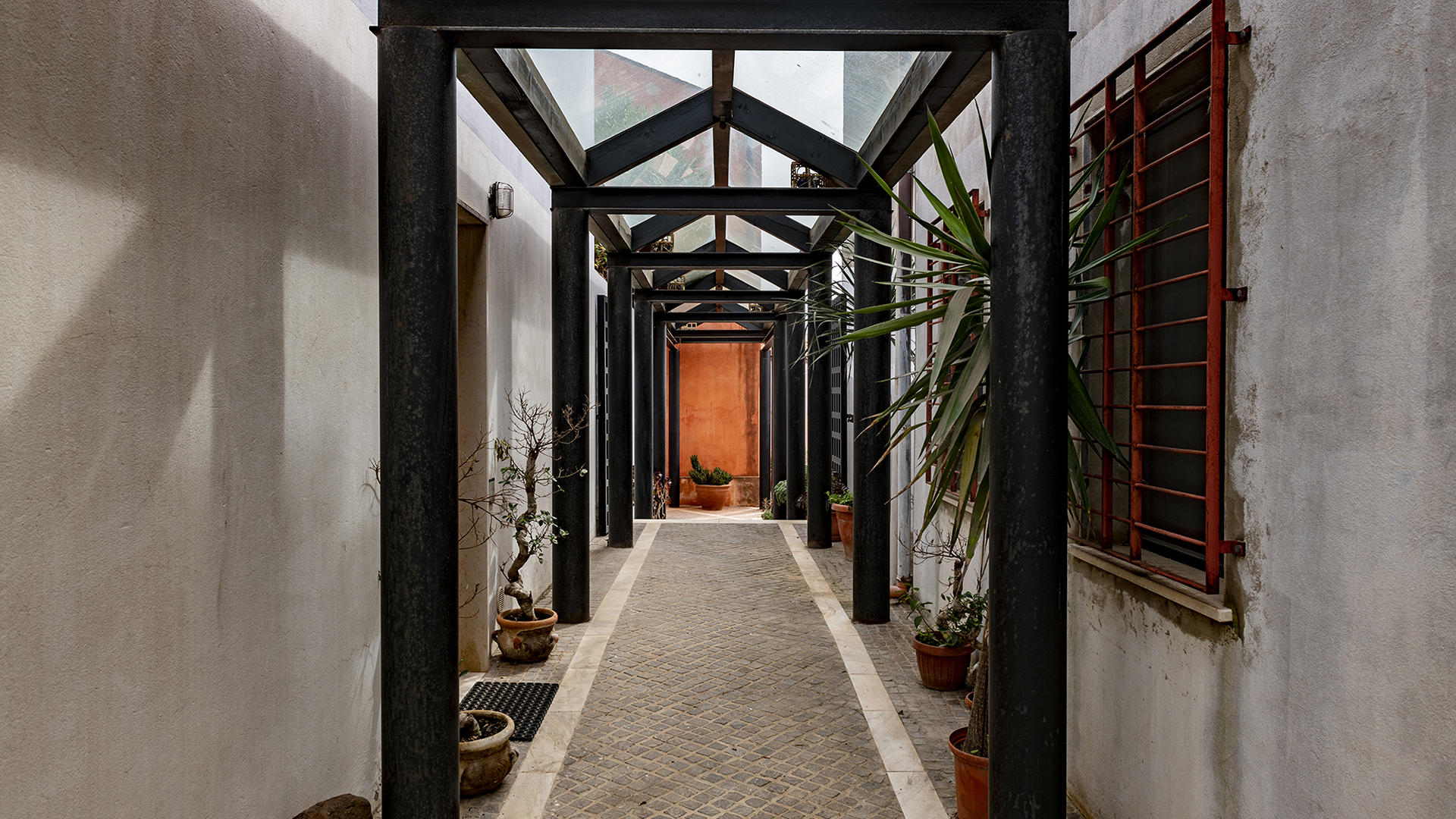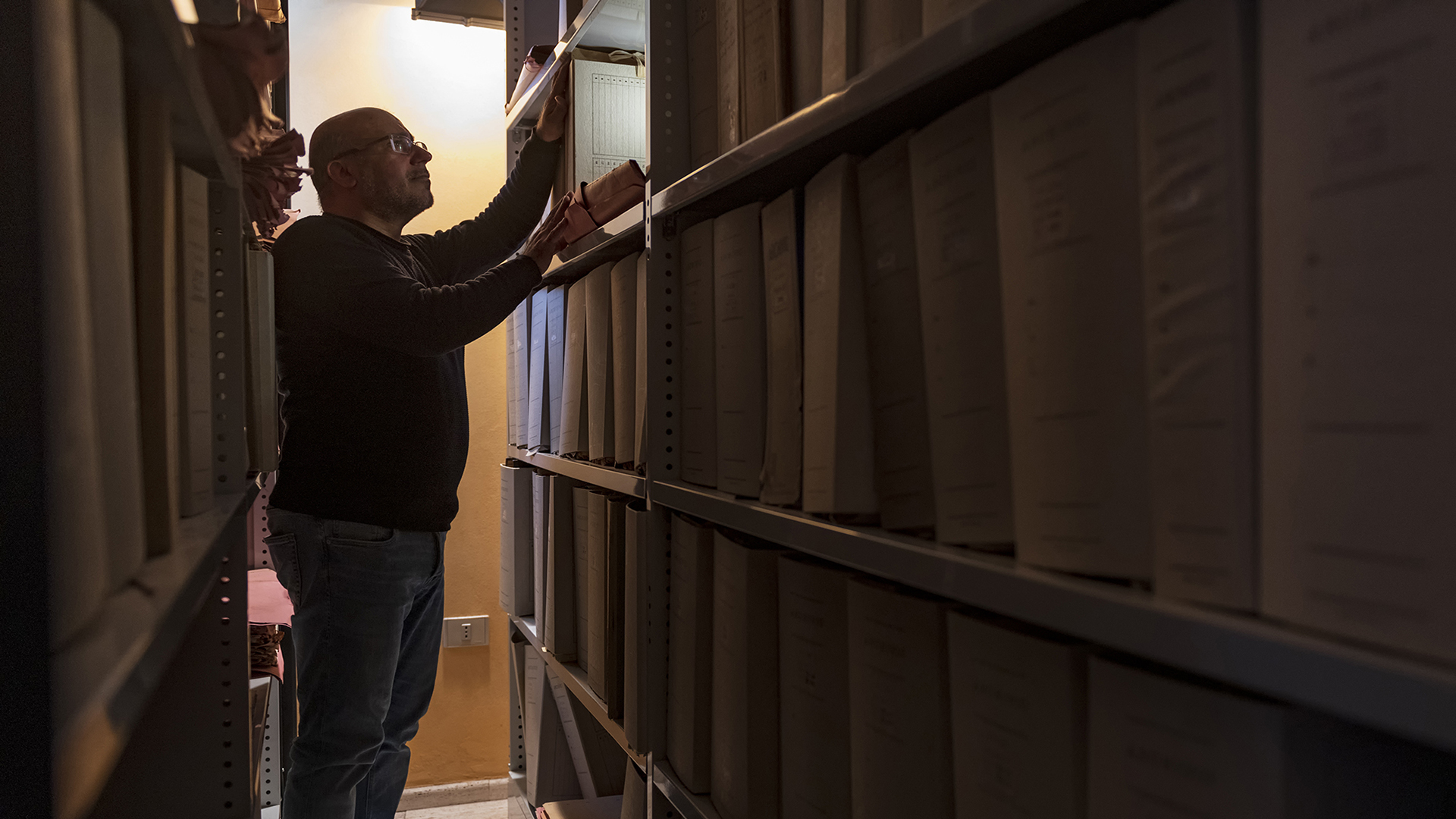
The documentation is kept in the premises of the former Carabinieri Barracks on Horseback, a building restored in April 2000. There is an educational workshop where schools can study local history directly from documentary sources.
The Historical Archive collects and preserves, starting from the 18th century, the documentation on practices that have been concluded for over 40 years by the Municipality of Sant'Antioco. The documentary heritage recounts the history and the political and social complexity of the community of Sant'Antioco (administrative, health and cultural) the territorial and economic transformations, the planning and development of today's urban fabric, constituting a precious resource for research.
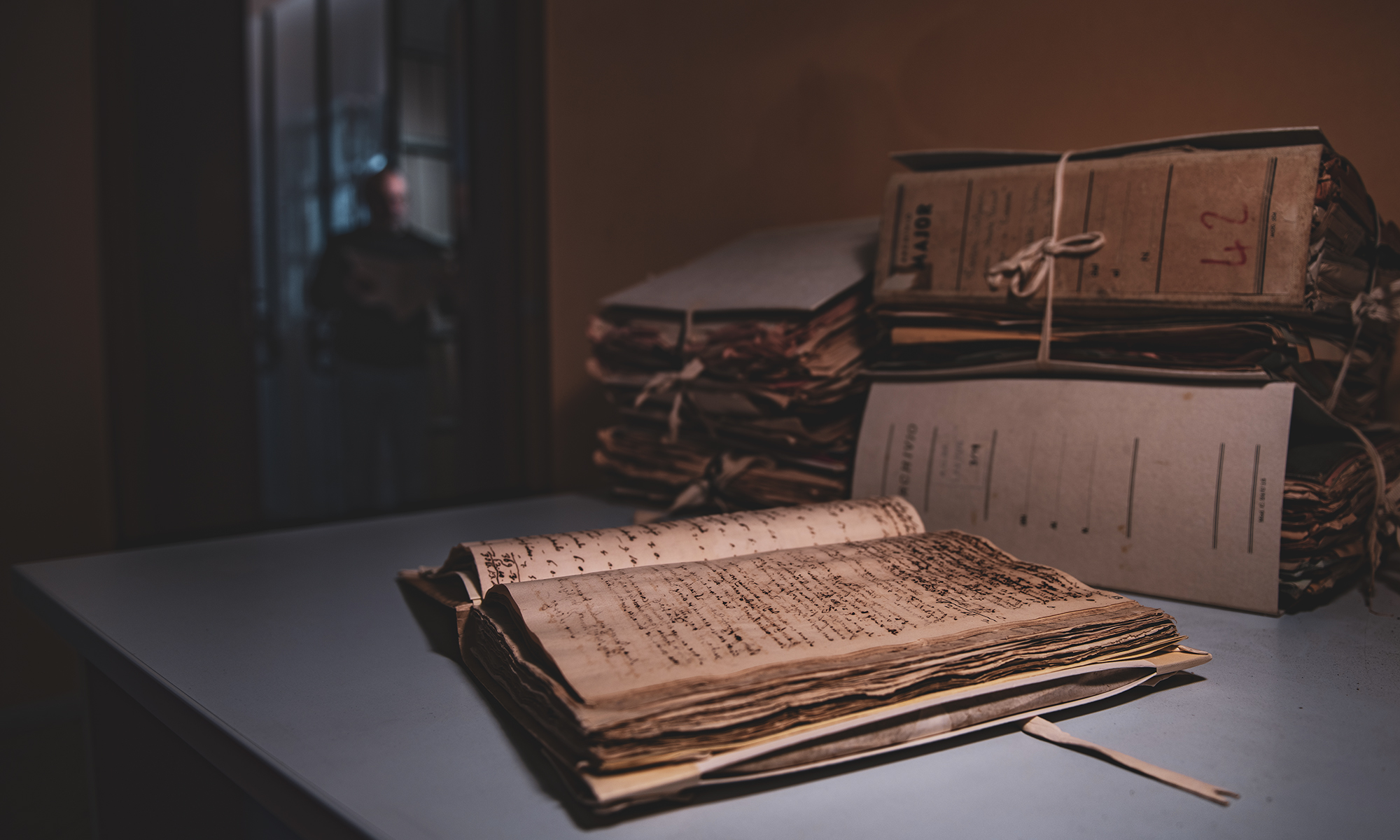
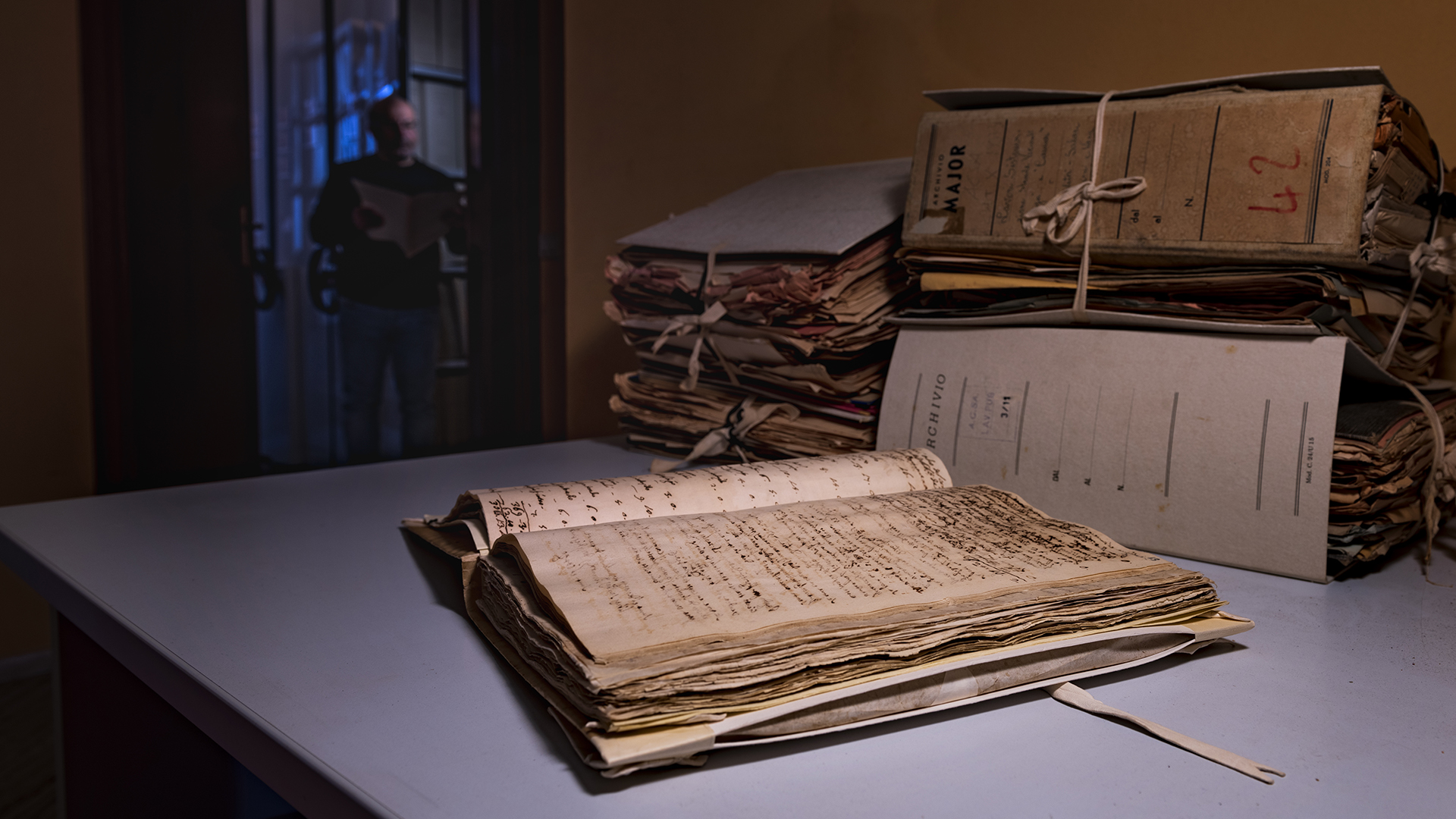
Of particular historical importance is the Community's volume 'Registro de entrada y salida de los dineros de esta comunidad de San Antiogo ut intus', which documents the institutional activity of the Community from 1793 to 1815. In addition to describing economic activities, mainly agro-pastoral, the register narrates significant moments in the modern history of Sant'Antioco. Although the island was frequented by farmers, fishermen and the numerous pilgrims who participated in the feast of the Saint, celebrated fifteen days after Easter, it was only permanently repopulated from 1750 onwards.
The archive contains lists, repertoires of correspondence, dossiers on specific topics, records of numerous documentary and photographic exhibitions, and dissertations resulting from research carried out in the archive.
You can come to the Historical Archive not only for documentary consultation, but also to experience the immersive room, designed for art and cultural exhibitions. In this environment you will be transported on a unique sensory journey, where multimedia projections extend over the surfaces, creating an enveloping atmosphere, and you can feel part of the works presented.
The opening hours of the immersive hall vary depending on the period and the exhibition hosted.