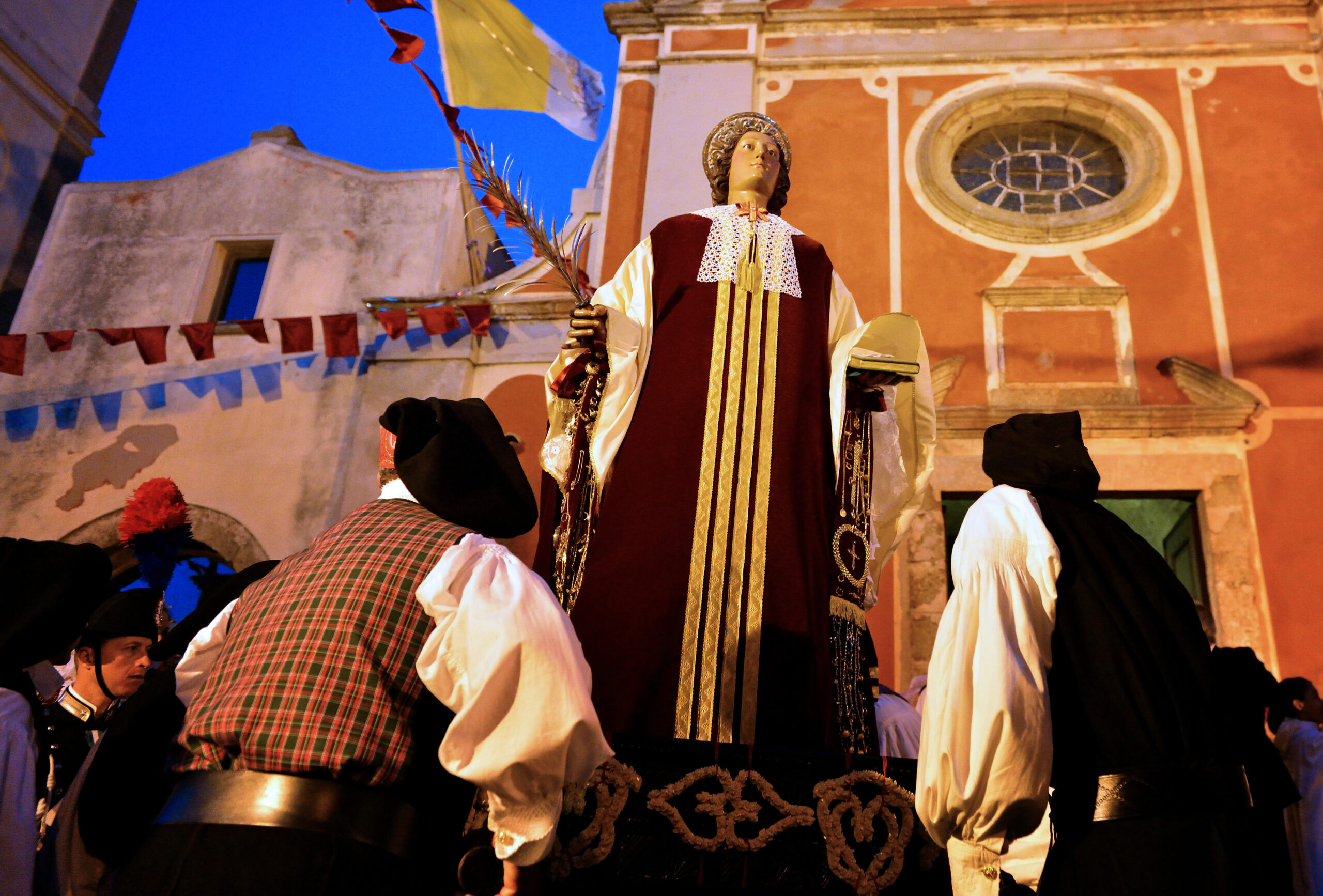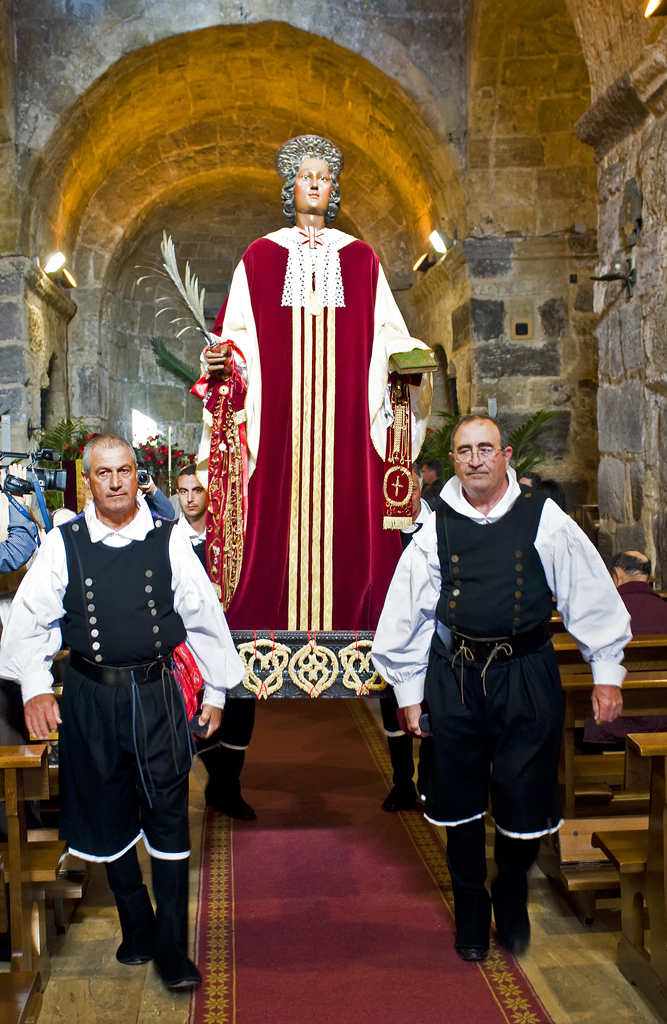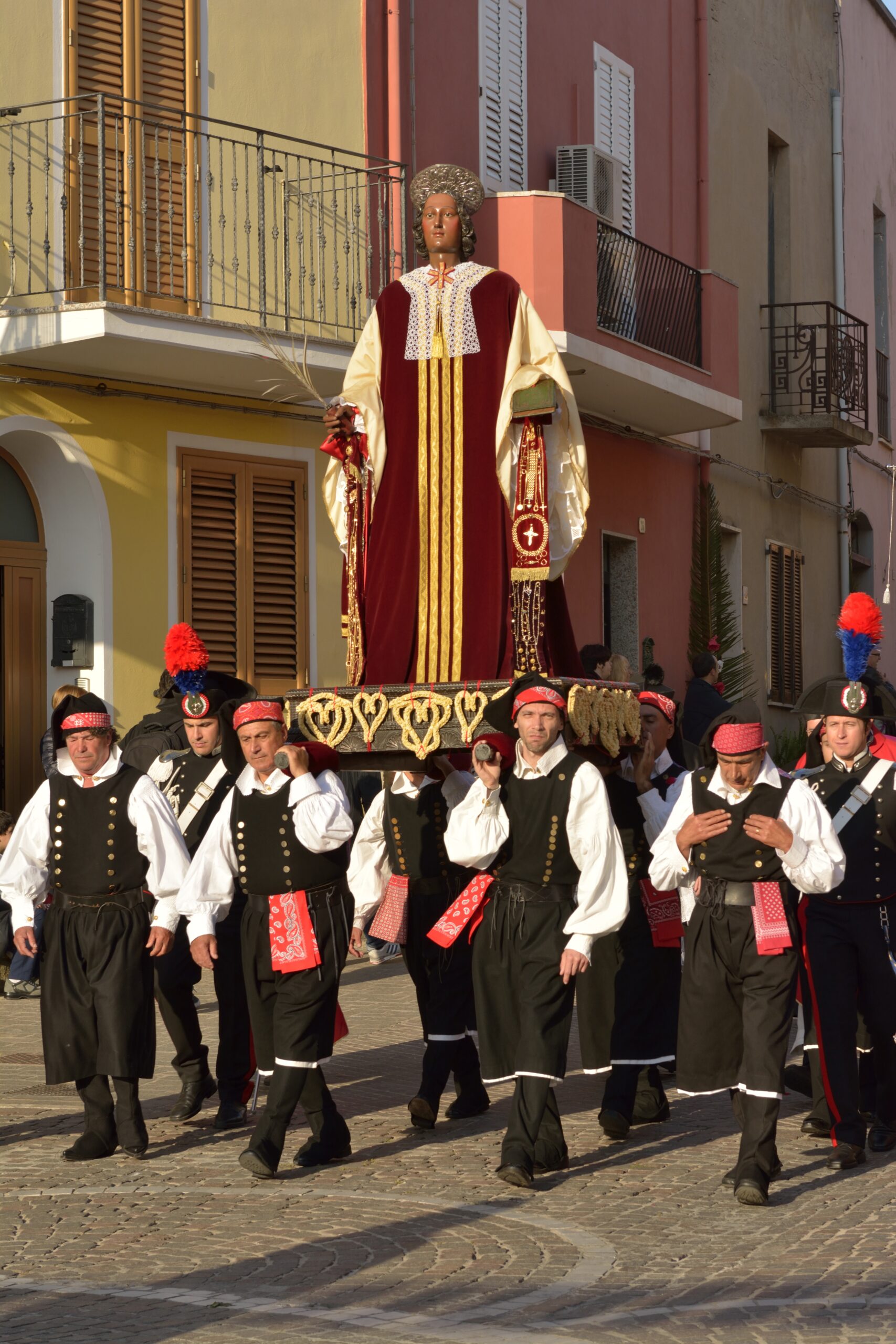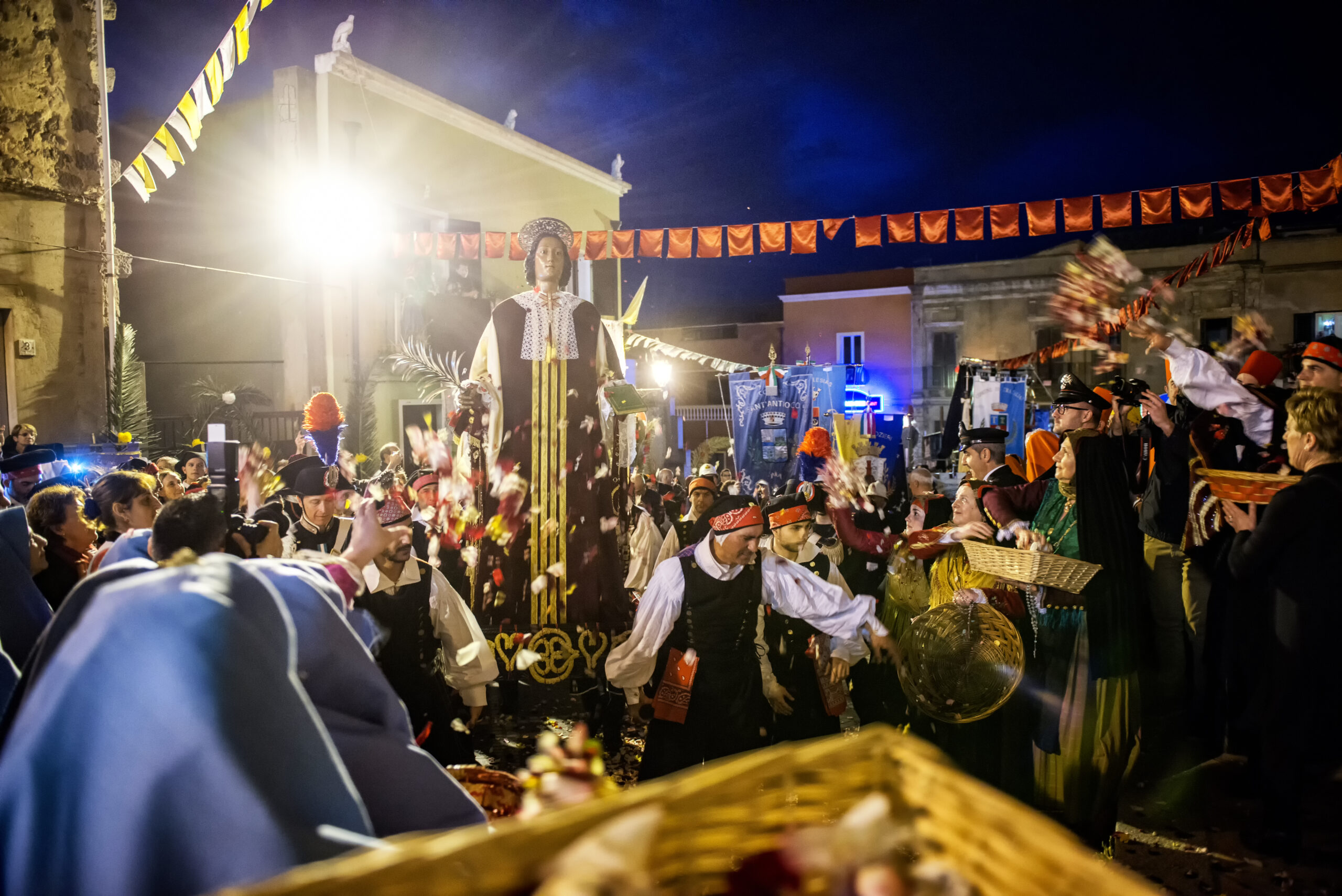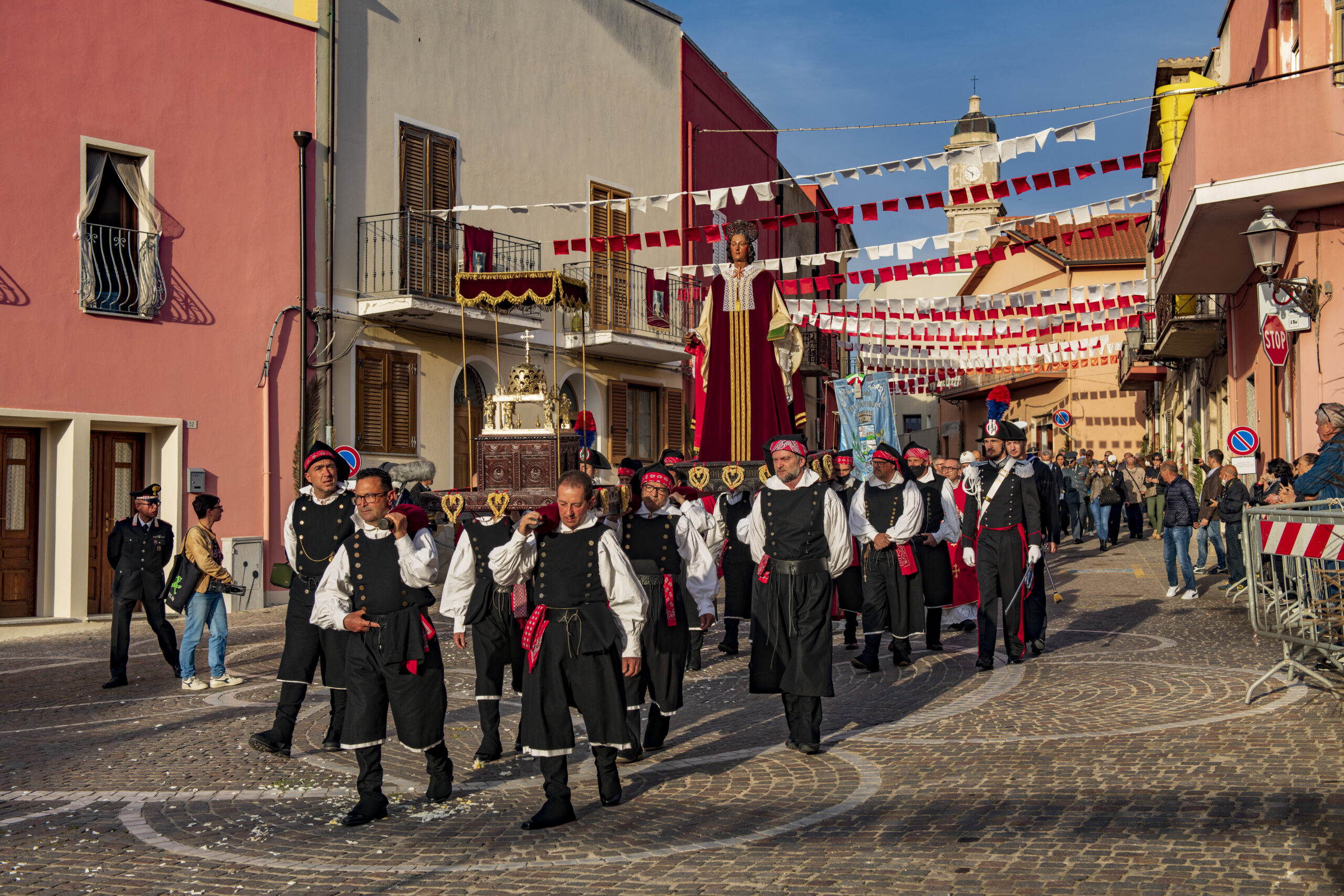
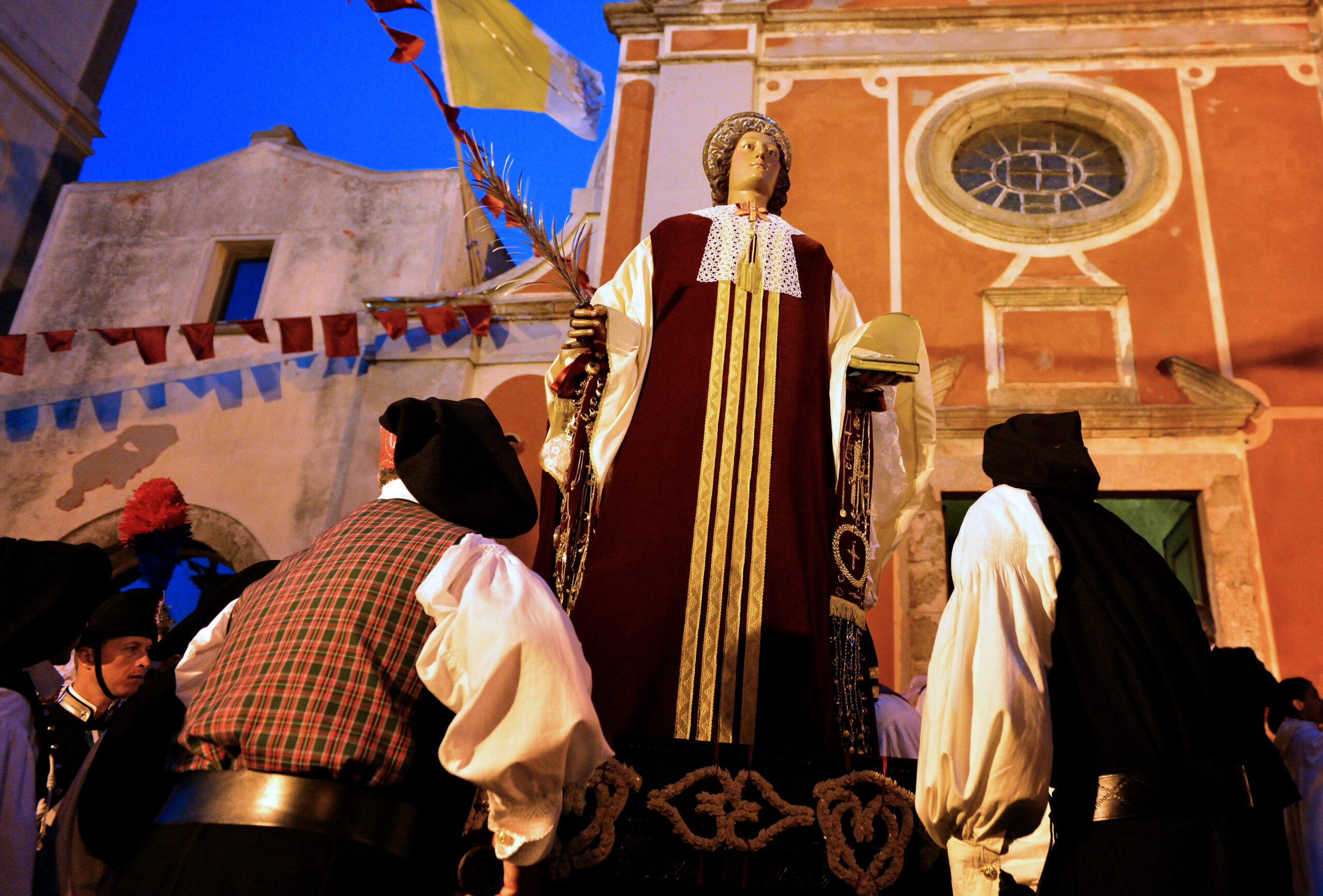
Sant'Antioco Martire is a central figure in the religious and cultural tradition of the town of the same name and the whole of Sardinia, recognised as its patron saint.
His life and martyrdom are shrouded in stories of faith and perseverance, which have profoundly influenced the Sardinian community.
Born around AD 95 in Mauritania, now part of Morocco, Antiochus trained as a doctor and used his skills to convert many pagans to Christianity.
His fame as a selfless healer quickly spread, attracting the attention of Emperor Hadrian, who exiled him to the island of Sulcis (today Sant'Antioco).
During his exile, he continued to practise his faith, even converting his caretaker, a soldier named Ciriaco. It is said that he lived in a cave on the island, where he prayed and meditated until his death on 13 November 127 AD.
His tomb became a place of pilgrimage, and the fame of his works quickly spread throughout the island.
The cult of St Antiochus, which began shortly after his death, led to the construction of one of the oldest churches in Sardinia at the site of his martyrdom.
The figure of Saint Antiochus is not only a religious symbol, but also represents the cultural identity of Sardinia.
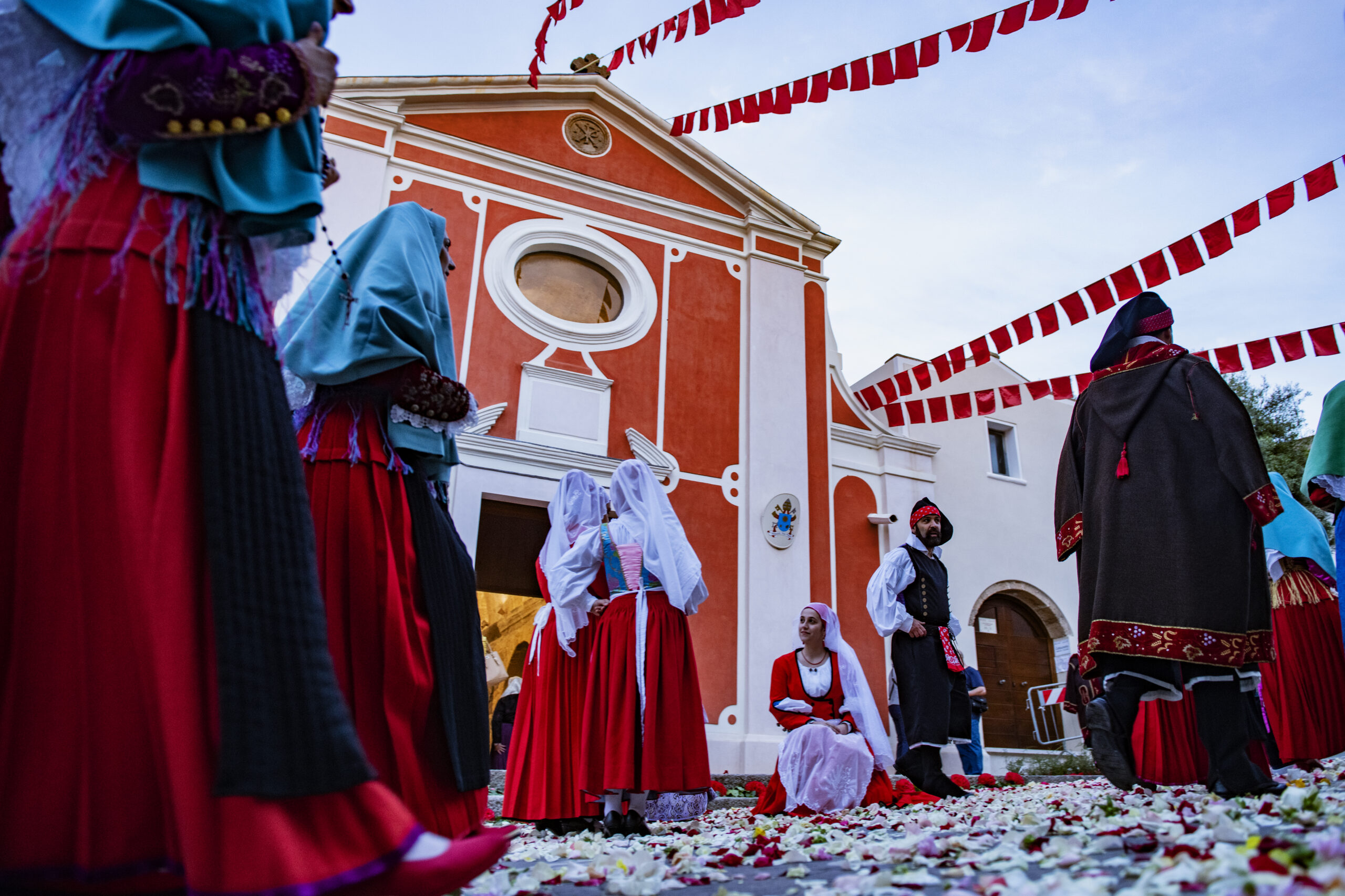
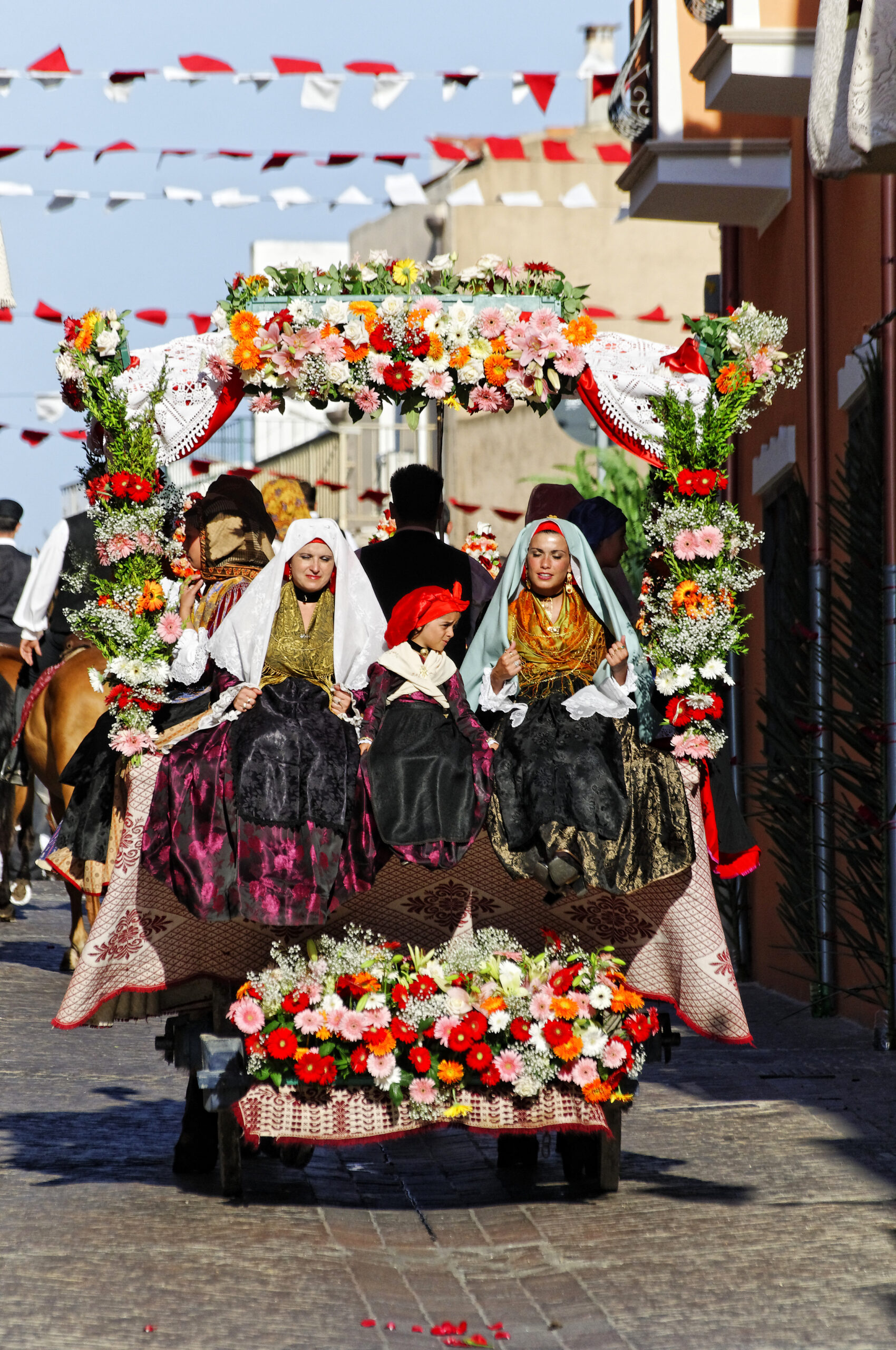
The celebrations are a moment of unity for the local community, reflecting historical traditions dating back centuries.
The devotion to Saint Antiochus is evidenced by the continuity of the festivities over the centuries, making it one of the oldest in Europe.
In 2025, the 666? Festa Manna will be celebrated from 3 to 5 May.
During the celebrations, the town of Sant'Antioco is transformed into a centre of folklore with processions, traditional music and gastronomic tastings.
Saint Antiochus Martyr is a figure venerated not only for his martyrdom, but also for his role as the evangeliser of Sardinia, with his celebrations continuing to strengthen the cultural and spiritual ties of the Sardinian community.